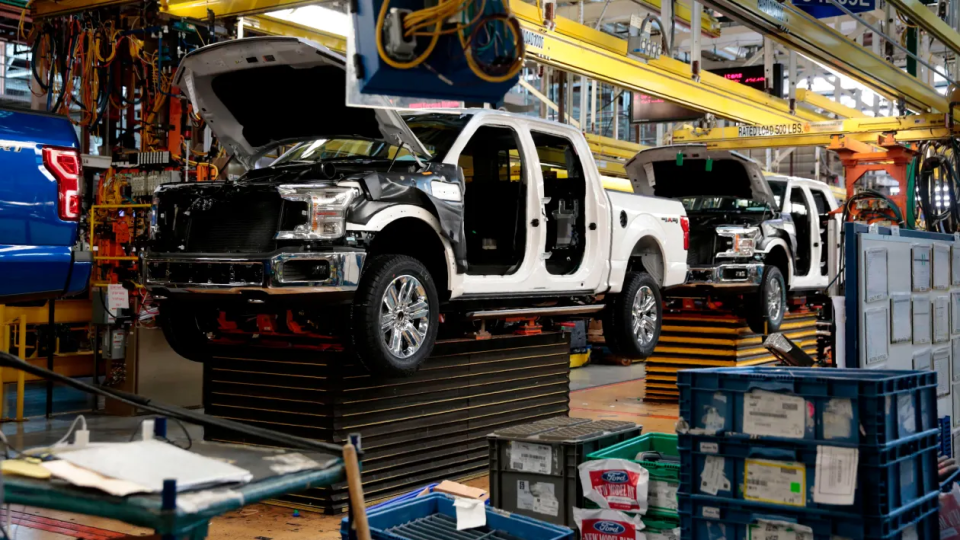
AI has been part of automotive conversations for years. What has changed is that it is no longer experimental. It is now embedded in day-to-day operations, from engineering and sourcing to manufacturing and aftersales. The biggest gains are not coming from flashy demos, but from steady improvements in speed, accuracy, and decision quality.
Here’s where AI is making a practical difference today.
Faster and better engineering decisions
Modern vehicles generate enormous amounts of engineering data. CAD models, simulation results, test reports, supplier drawings, and change requests pile up quickly. AI helps teams make sense of this complexity.
By analyzing historical designs and test outcomes, AI can surface patterns that engineers would otherwise miss. It can flag potential design risks earlier, suggest proven alternatives, and help teams compare tradeoffs faster. The result is fewer late-stage surprises and shorter development cycles.
Smarter sourcing and RFQ processing
Sourcing remains one of the most manual and time-consuming areas in automotive. RFQs arrive in different formats, with drawings, specs, and commercial terms scattered across files and emails.
AI can ingest these inputs, extract key requirements, and map them against past proposals and supplier capabilities. This reduces manual effort, improves consistency, and helps teams respond faster without cutting corners. Over time, AI systems also learn which suppliers perform well on cost, quality, and delivery, supporting better award decisions.
Higher quality with less inspection overhead
Quality control is a natural fit for AI. Computer vision systems can inspect parts at speeds and precision levels that are hard to achieve manually. They detect surface defects, dimensional issues, and assembly errors early in the process.
Beyond detection, AI helps identify root causes. By correlating defects with machine settings, material batches, or environmental conditions, manufacturers can fix issues upstream instead of reacting downstream. This leads to less scrap, fewer recalls, and more stable production.
More resilient manufacturing operations
Automotive plants operate under tight margins and even tighter schedules. AI helps keep production running smoothly by predicting problems before they occur.
Predictive maintenance models analyze sensor data from equipment to forecast failures. Instead of unplanned downtime, maintenance teams can intervene at the right moment. AI can also optimize production schedules, balancing capacity, changeovers, and demand shifts in near real time.
Accelerated shift to electrification and software-defined vehicles
Electric and software-heavy vehicles introduce new complexity. Battery performance, thermal behavior, and software updates all require constant monitoring and optimization.
AI supports battery health prediction, energy management, and range optimization. On the software side, it helps detect anomalies, prioritize updates, and improve vehicle performance based on real-world usage data. These capabilities are becoming essential as vehicles increasingly behave like connected systems rather than static products.
Better use of institutional knowledge
One overlooked advantage of AI is how it captures and reuses organizational knowledge. Automotive companies rely heavily on experienced engineers, buyers, and plant managers. When people move roles or retire, valuable context often disappears with them.
AI systems trained on historical documents, decisions, and outcomes help preserve that knowledge. New team members get up to speed faster, and decisions become less dependent on a few individuals.
A competitive advantage, not just a cost play
While AI certainly reduces costs, its bigger impact is strategic. Faster launches, more accurate sourcing decisions, higher quality, and resilient operations all translate into competitive advantage. Companies that treat AI as a core capability, rather than a side project, are better positioned to adapt to market shifts and regulatory pressure.
v