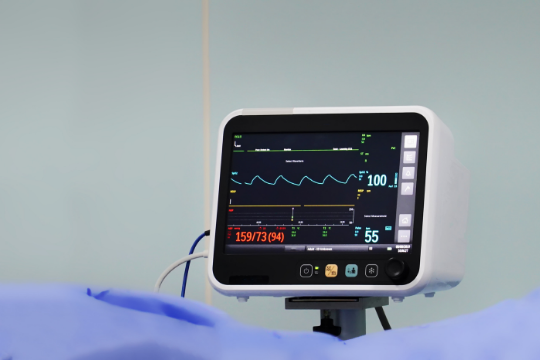
 As technology advances, it’s becoming easier and easier for patients to manage their health from a remote location. This is especially true in the field of patient monitoring, where devices such as the Apple Watch and Fitbit can now track everything from heart rate to blood pressure to activity levels. While there are many benefits to remote patient monitoring, there are also several challenges that can make it difficult to adopt.
What Is Remote Patient Monitoring?
There are many different types of patient monitoring, but they all serve one purpose: collect data about patients who cannot travel to clinics or hospitals to have their vitals checked.
Remote patient monitoring is the process of using these devices, which are becoming more advanced every day, to collect data about patients over time and identify ways to improve their health. While remote monitoring was first used in cardiac care decades ago, new technology has opened up the possibility for new types of monitoring such as neurovascular care, wound care, and even mental health.
Remote Patient Monitoring Benefits
There are many benefits to remote patient monitoring, chief among them is the ability to reduce hospital admissions. In some cases, patients can be monitored from home so closely that they never have to set foot in a hospital. This not only saves the patient time and money but also frees up hospital beds for those who truly need them.
Remote patient monitoring can also improve patient outcomes. The reason for this is that as devices become more advanced, they can provide doctors with data that is not only relevant to the patient’s condition but also can be used to improve care. For example, a doctor might use telemonitoring software to compare the outcomes of two different patients who have had similar procedures and recommend a specific protocol for one patient based on their past performance.
Remote patient monitoring can also be a cost-effective way to improve care. In the case of non-hospital-based monitoring, the costs are low and equipment is sturdy enough to be reused for multiple patients.
Challenges of Remote Patient Monitoring
While there are many benefits to remote patient monitoring, there are also several challenges that can make it difficult to adopt. One of the biggest challenges is the fact that not all patients are comfortable using technology to manage their health.
The other big challenge is the lack of standardization in the field. There are many different types of devices and software being used in different settings, which can make it difficult for technology companies to create a unified product that will work in every location.
Even with these challenges, remote patient monitoring is growing quickly.
In-Person Patient Monitoring vs Remote Patient Monitoring
There are two main types of healthcare observation, in-person care and remote.
In-person care is when a clinician checks the health of a patient by physically being in the same room (or at least the same building). This not only means checking vital signs like heart rate, respiratory rate, and blood pressure but also includes assessing the patient’s mood, mental state, and overall wellbeing.
Remote patient monitoring is when a clinician checks the health of a patient by remotely accessing data from devices like the Apple Watch or Fitbit. This data can include things like heart rate, respiratory rate, and blood pressure but also includes assessing the patient’s mood, mental state, and overall wellbeing.
Which Is Better?
There is no one-size-fits-all answer to this question. In some cases, in-person care may be the best option, while in other cases, a remote patient monitoring app may be a better choice.
What is important is that both types of monitoring are available so that patients and clinicians can choose the option that is best for them.
Future of Remote Patient Monitoring
The future of healthcare monitoring is bright, as technology advances and more and more devices become available. Remote patient monitoring has already been shown to be a cost-effective way to improve care, and as it becomes more standardized, it is sure to become even more popular.
Sunvera Software develops next-level software applications from start-to-finish. We are a premier software and mobile app development agency specializing in healthcare mobile app development, custom mobile app development, telehealth software, sales dashboards, custom mobile app development services, retail software development, supply-chain software, ecommerce, shopify, web design, iBeacon apps, security solutions and unified access software.
We are proud partners with Amazon AWS, Microsoft Azure and Google Cloud.
Schedule a free 30-minute call with us to discuss your business, or you can give us a call at (949) 284-6300.
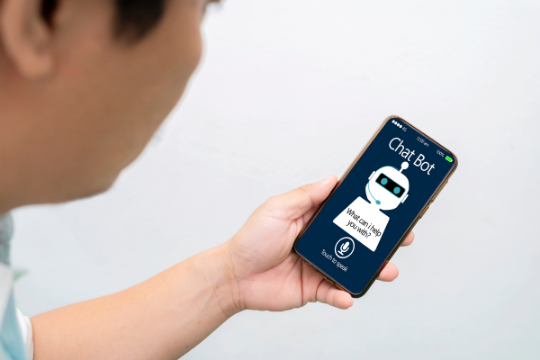 Chatbots have been launched in several fields, ranging from online stores to the food delivery sector. The healthcare industry is among one of them where chatbots are being introduced for customer service. Conversational AI and chatbots are becoming a staple in the healthcare industry with an increase in the number of providers using chatbots for communication between medical professionals and patients or individual clients.
 In the past few years, the increase in the use of mobile devices to access internet content has been a development that has caught many brands by surprise. The change in consumer behavior has led to a paradigm shift in how businesses communicate and engage with their target audiences. If you want your business to thrive through this digital transformation, then you must have a mobile-friendly website or app.
 The blockchain community is growing fast and so are the number of different projects. The market cap increased massively in 2017, but so did the number of cryptos. There are currently over 1,500 cryptocurrencies listed on Coinmarketcap. As this list has grown extensively it has become increasingly difficult to keep up with all that is happening. It’s hard to predict which projects will succeed and which ones will fail.
 Optimizing your website for search engines can be a daunting task. There are so many things to consider, from the words you use on your pages to the way your site is structured. And then there are the costs – how much should you spend on SEO optimization, and what’s the best way to allocate your resources?
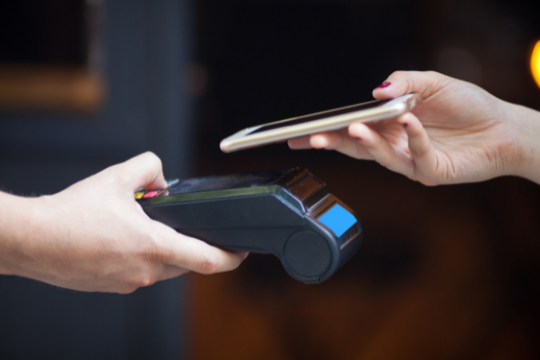 The world is increasingly becoming a cashless society. More and more people are embracing contactless payments. There are numerous reasons behind this trend. Some of the main ones are increased security, improved ease of use, brand-agnostic acceptance, mobile-first design, etc.
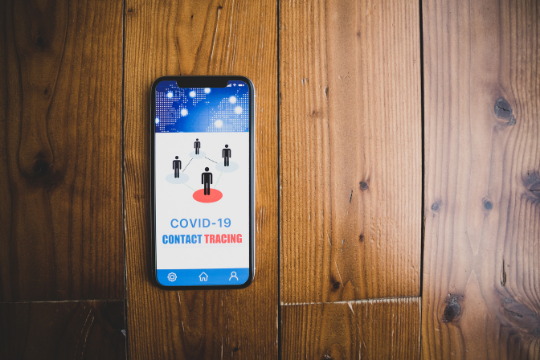 Public transportation is an essential part of any city’s infrastructure. It helps reduce traffic congestion and pollution, and it makes it easier for people to get around. However, public transportation systems can often be outdated, inefficient, and inconvenient. In recent years, there has been a resurgence of interest in developing new and innovative public transportation solutions.
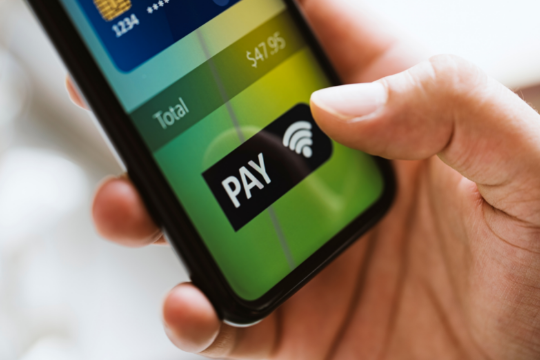 Now that the holiday shopping season has officially begun, it is important to ensure that merchants are making every attempt possible to meet consumer demand by offering an amazing customer experience. Mobile apps designed for retail offer numerous benefits that can improve the buying process and foster customer loyalty; therefore, they are especially beneficial during this busy time of year.
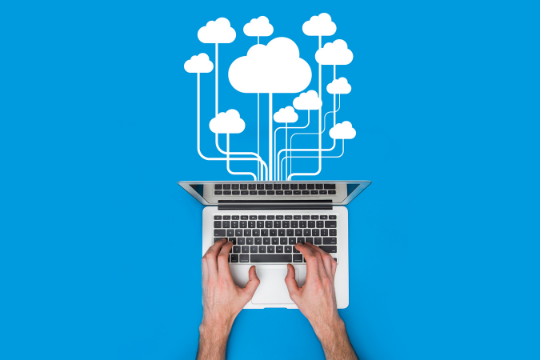 Cloud-native platforms are continuing to grow in popularity, as more and more businesses move away from traditional on-premise software solutions. In today’s increasingly connected world, digital transformation is a top priority for most businesses. To remain competitive and offer more convenient services to customers, many organizations are turning to cloud-native platforms. These software solutions provide users with secure access from any device to the data they need when they need it.