
Trendiest News in Tech

Types of AI Apps That Will Increase Accuracy and Efficiency Within Your Business

AI in businessArtificial intelligence (AI) and machine learning applications are no longer a part of the future. They’re here now and they’re already revolutionizing businesses all over the world, helping to increase effectiveness and efficiency. The role of AI in business is therefore fundamental to the ongoing success of a large number of enterprises.


Why a Business Would Want to Implement AI Solutions

The benefits afforded by using AI in business are numerous and it’s easy to see why so many companies want to embrace such technologies. According to Forbes, such systems can help to make businesses much more efficient in the long term. Additionally, AI solutions can also help organizations become smarter and better at predicting future trends and making predictions. As a result, businesses can make better decisions and increase overall productivity.


Ways AI Can Increase Efficiency

With the rise of modern customer service, companies around the world want to make sure their customers never have an issue with customer service. Many times, customers will engage in complex and complicated conversations when speaking to customer service representatives. This is even more true when speaking to multiple representatives regarding different topics or trying to accomplish something other than an order. All of this can be time-intensive and confusing, not only for the customers but also for the company’s employees who are fielding questions.

Enter AI chatbots, smart programs that use complex algorithms and rule-based systems to interact with customers in a human-like way. With these tools, it’s possible for customer service representatives to tell the system what type of questions were asked and have the system handle everything from there without having to wade through repetitive questions or issue complicated responses. In this way, AI helps businesses become more efficient by doubling or even tripling the number of customers that can be serviced at one time.

Quality control is another role filled by AI in business as these technologies help to decrease the time necessary for employees to work through complex, repetitive tasks. Over the last decade, businesses have been trying their best to cut costs and become more efficient. One of the most effective ways to do this has been by moving towards more automation, particularly with software programs. With AI algorithms and machine learning programs, it’s now possible for employees to implement these tools to decrease the amount of time spent on manual tasks such as quality control.


Ways AI Can Improve Accuracy

One of the biggest complaints about AI and machine learning tools is that they don’t yet have the accuracy necessary to replace human employees. While this might be true in a few instances, there are many businesses out there that can already see a drastic increase in accuracy thanks to these types of solutions.

An example of AI improving accuracy in business is in the medical industry. Doctors and researchers use AI to better analyze data and make more accurate diagnoses or determine the best possible treatment plan. The end result is that lives are saved because medical professionals are able to provide better, more accurate care to patients.

In this case, AI has been used as a more efficient means of data analysis instead of a replacement for human employees. In many other fields, accuracy is increased by utilizing machine learning programs that use vast amounts of data and complex algorithms to make the best possible prediction about future events. Another example is in the banking and insurance industries, where algorithms can help predict future creditworthiness based on previous spending and saving habits.

This type of predictive data collection is one of the biggest trends in AI at this time. Machine learning tools can be used to collect vast amounts of information about past events and then use it to predict what might occur in the future. One of the most promising advantages this type of technology provides is the ability to use data that was previously impossible to collect.

This means that businesses can make more informed decisions, even in highly complex situations where there are many different possible outcomes. It often takes years for industries to figure out why certain strategies didn’t work and what might be necessary to implement in order to be successful. By using various types of AI applications, it’s possible for businesses to quickly determine the best course of action and make decisions based on evidence rather than hope.


Other AI Uses For Businesses

AI isn’t just used for improving accuracy, of course. As mentioned above, AI is also useful in increasing the number of employees that can be reached at one time without sacrificing customer service. Rather than fielding incoming calls or emails from customers when employees are busy with other tasks or have their hands full, they can let the AI do the work while they focus on more important matters.

There are also AI applications for data mining, which is the process of uncovering hidden patterns in large amounts of data. Since much business-related information is now stored digitally, companies can utilize machine learning programs to identify key trends and gain insights that might not have been possible otherwise. For example, retailers use highly advanced algorithms to gather important information such as how often certain products are ordered and which items sell best at specific times of the year.

Businesses that utilize these types of software applications can then use the data they’ve gathered for marketing purposes. They can determine which type of customers prefer which types of products and come up with more effective sales strategies based on the information they’ve collected.

The use of machine learning tools in business is always growing, especially since AI is able to accomplish so much with just one application. As the technology continues to improve and more companies begin using it, there’s no telling what kinds of advancements will be made or how businesses might be able to better utilize their resources. With the help of machine learning algorithms and various other AI applications, it’s possible for employees to accomplish more in a shorter amount of time while still maintaining the same high level of customer service.


It’s important to note that AI isn’t being used to replace employees but instead to improve their work. No matter what type of business you have, it’s easy to see the benefits of AI and machine learning solutions. In some cases, even AI for small businesses is growing, as the tools offered can even help employees be more effective at what they do. In other cases, AI can help improve accuracy leading to better decisions and ultimately more success for the business. Given the many ways AI can be beneficial, it’s no wonder that businesses are integrating these technologies into their day-to-day operations.

Sunvera Software develops next-level software applications from start-to-finish. We are a premier software and mobile app development agency specializing in healthcare mobile app development, custom mobile app development, telehealth software, sales dashboards, custom mobile app development services, retail software development, supply-chain software, ecommerce, shopify, web design, iBeacon apps, security solutions and unified access software.

We are proud partners with Amazon AWS, Microsoft Azure and Google Cloud.

Schedule a free 30-minute call with us to discuss your business, or you can give us a call at (949) 284-6300.
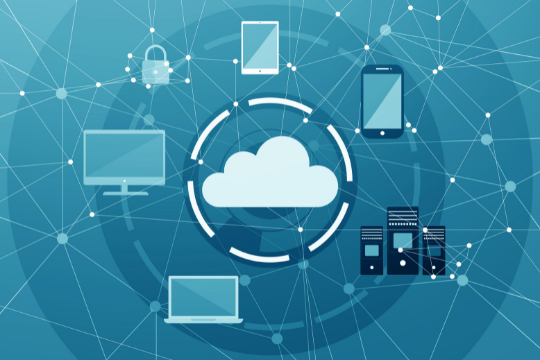
What is Distributed Cloud? How Is It Different From Cloud Computing?

distributed cloudThe cloud computing vs distributed computing debate has been ongoing, and although there are similarities between the two, there are also important differences, with each one offering vital benefits to businesses and companies.

 

How is Distributed Cloud Different Than Cloud Computing

What is distributed cloud? What is cloud computing? It sounds similar, but it’s different.

Distributed cloud is a “cloud” or a high-capacity virtualized environment, which is spread over multiple geographically dispersed locations. It carries the same benefits of cloud computing to medium and small businesses as offered by large companies. What makes it similar to traditional cloud computing service providers such as Amazon EC2 and Google AppEngine is the fact that the end-users do not need to worry about any technical details related to cloud storage. Distributed cloud providers perform all the necessary tasks on their own, including hosting, optimizing hardware components, and managing software updates. Distributed cloud computing service providers provide online storage for virtual desktop images, large media files like videos and music, backups, archiving, and so on.

On the other hand, cloud computing is a deployment model for IT services, where the shared resources, software, and information are provided to computers and other devices on-demand. Cloud computing requires users to have access to a network connection in order to get an Internet-based service.

Cloud computing is different from distributed cloud because the former refers to the sharing of IT resources, while the latter is about geographically dispersed resources. Cloud computing has emerged as a new resource planning and delivery model which promises to simplify IT service management by enabling ubiquitous access to shared pools of configurable system resources and applications in real-time. Meanwhile, distributed computing is a type of parallel computing in which complex problems are broken into smaller tasks that can be computed simultaneously.


The Advantages and Disadvantages For Both

Distributed cloud is cheaper than traditional cloud because it has lower bandwidth requirements and single point of failure risks. Cloud computing is suitable for companies that need to scale up their website/app easily and frequently due to traffic requirements or unpredictable workloads. Cloud storage providers provide massive data storage at a lower cost than traditional hosting services. Distributed cloud has high availability, resilience, and less network latency than traditional cloud service providers.

Distributed cloud allows businesses to utilize computing resources in small chunks when needed. For example, when the user uploads a file, he/she can use only 100MB initially and pay for what they actually use. Such cloud service providers provide access to all applications based on distributed computing technologies.

What makes cloud computing expensive are its latency, bandwidth requirements, and single point of failure risks, but these drawbacks are eliminated in distributed cloud as users get on-demand access to the same infrastructure without any risk involved.

Distributed cloud offers increased security and reduced latency. It also does not rely on a single physical location and offers high availability of resources, which makes it appropriate for disaster recovery scenarios.

The biggest disadvantage of distributed cloud is that it may limit functionality due to its restricted infrastructure. Moreover, distributed computing requires the selected servers to be compatible with each other in order to distribute workloads.

Cloud computing is advantageous for companies that have a need to scale up easily and frequently due to traffic requirements or unpredictable workloads, as it offers dynamic scalability.

Cloud storage providers provide massive data storage capacity at a lower cost than traditional hosting services, making it more reliable and affordable for businesses. The best thing about cloud-computing service providers is that they allow users to purchase server storage on-demand, making it suitable for small and medium-sized businesses.


Why Businesses Should Choose Distributed Cloud or Cloud Computing

If you are a small business owner and need to make an important decision whether to use distributed cloud or cloud-computing service, there is no denying that both services offer several benefits. While cloud computing allows users to store and access their documents online, distributed cloud offers data storage capacity at a lower cost than traditional hosting services. If you have a business that needs to scale up quickly or works with new customers every day, cloud computing is your best bet as it offers dynamic scalability.

However, if your business requires more stability and security of data, distributed cloud is the better choice as users can get on-demand access to the same infrastructure and can distribute workloads. Due to the fact that distributed cloud does not rely on a single physical location, it is suitable for disaster recovery scenarios.


Both distributed cloud and cloud-computing services are important in today’s world, but it mostly depends on your business needs. If you need to scale up quickly or work with new customers every day, cloud computing is the best option for you. If your business requires more stability and security of data, distributed cloud offers better performance and security. It can be tricky to know which one to choose, only you can answer that question by having an in-depth understanding of your business’ needs.

Sunvera Software develops next-level software applications from start-to-finish. We are a premier software and mobile app development agency specializing in healthcare mobile app development, custom mobile app development, telehealth software, sales dashboards, custom mobile app development services, retail software development, supply-chain software, ecommerce, shopify, web design, iBeacon apps, security solutions and unified access software.

We are proud partners with Amazon AWS, Microsoft Azure and Google Cloud.

Schedule a free 30-minute call with us to discuss your business, or you can give us a call at (949) 284-6300.

Why Antivirus Software Can’t Compete With Custom Security Software

custom security softwareComputer security has evolved over the last few decades. As computers have become more prevalent, virus and malware creators have created new forms of viruses that plague systems worldwide. Antivirus software was developed to combat these issues, but it is no longer capable of protecting users’ machines, which has led to security professionals developing their own custom security software to combat malware and virus invasions.

 

Difference between Antivirus Software and Custom Security Software

Custom security software refers to the development of independent programs that are not affiliated with antivirus software companies. They are often developed by individual security professionals as a means to combat viruses and malware without any affiliation with the large companies that create antivirus software.

Antivirus software, on the other hand, is created by large corporations for commercial use. They are often used in conjunction with an operating system to scan programs and files that are loaded onto a machine.


Why Custom Security Software is Superior to Antivirus Software

When you compare computer security software, you see that not all kinds are created equal. Those that develop custom security software often find that they are better than antivirus programs for several reasons.

First, antivirus applications require a substantial amount of memory and processing power to scan files and programs while they are put into action. This is why users see warnings when downloading large applications onto their machines if an antivirus program is not currently installed.

Custom security software, on the other hand, does not have that same requirement. They are often developed with performance in mind and they don’t require constant scanning to ensure that files are safe for use .

Custom security programs also offer more advanced features than those offered by antivirus companies. For example, AVG offers password management as a free service; however, custom programs such as Keepass can be used as well as KeePassX (a version of KeePass built specifically for Linux operating systems). Also, some versions of antivirus software do not offer password management within their product suites at all.

Furthermore, custom security software allows users to remove viruses and malware from their systems without having to purchase an entirely new program. Generally, people must uninstall their antivirus programs and purchase a new copy of antivirus software if they want to get rid of an infection.

However, since custom security software is developed independently by security professionals, users can often remove the virus using instructions that are readily available online for free. This allows them to save money on expensive antivirus applications.

Then, of course, you have free antivirus software, but what you’re saving to avoid investing in proper customized security will amount to a tiny fraction of what you will end up paying upon getting hacked.


The Importance of Businesses Using Custom Security Software

In the business world, security is a vital aspect of any company. This is why employees at businesses should use custom security software to protect their systems from malware and virus invasions.

For example, a system administrator for a business must ensure that machines are secure from outside threats as well as those created by malicious employees on the inside looking to steal sensitive information from the company. In addition, they may be held accountable if an employee contracts a virus or malware due to not having protection installed on his or her machine. If this happens, then it may reflect poorly upon management that allowed such an easy breach into the system.

Custom security software allows administrators to create secure networks with minimal chances of viruses entering through unsecured email attachments or web downloads. This ensures that the business is using safe systems at all times.


Why People Still Use Antivirus Software

There are three main reasons why people still use antivirus software even though it is generally ineffective against modern malware and viruses.

The first reason is that most users are not aware of how to recover their computer if they contract a virus or have malware installed on their machines. Many people don’t realize that free tools to remove viruses are available online for download, so they simply purchase antivirus software to deal with the problem instead.

The second reason why some people continue to use antivirus software is because they think it will protect them from everything . Since security professionals create custom programs without any affiliation with large corporations, many people assume that they are just as good.

The last reason why antivirus software is still used even though it has become obsolete is because some people simply do not care. They want their machines to be secure, but they also do not want to take the time to research custom security tools and install them on their systems.

Antivirus software should remain only as an emergency tool for when all other methods of removing viruses or malware have failed. Regular users and businesses should instead use custom security programs that provide them with the coverage they need to keep their computers safe at all times.


Final Thoughts

Antivirus software has been essential in protecting people’s machines from computer viruses and other such infections for many years; however, it has become apparent that custom security programs offer greater protection with fewer drawbacks.

Antivirus software must be constantly scanned when in use while custom security software does not have the same requirement . Also, custom security programs offer more features than antivirus companies at a fraction of the price.

Therefore, unless people are running extremely old machines that do not have the processing power to support custom security software programs, they should consider using one instead of antivirus software.

It is important for people to realize that there is no reason to pay high prices to protect their computers when free versions of custom security software exist. With all other things considered, it’s clear that custom security programs offer users superior protection without causing unnecessary strain on computer resources.

Sunvera Software develops next-level software applications from start-to-finish. We are a premier software and mobile app development agency specializing in healthcare mobile app development, custom mobile app development, telehealth software, sales dashboards, custom mobile app development services, retail software development, supply-chain software, ecommerce, shopify, web design, iBeacon apps, security solutions and unified access software.

We are proud partners with Amazon AWS, Microsoft Azure and Google Cloud.

Schedule a free 30-minute call with us to discuss your business, or you can give us a call at (949) 284-6300.

Why Small and Mid-Size Businesses Need Custom Security Solutions ASAP

custom security solutionsCustom security solutions are a must-have for small and mid-sized businesses. Thieves are more sophisticated than ever before, and even a timely security solution won’t be able to stop them every time. With an approach customized for your business’ needs, you can feel more confident that you’re protected against current threats proliferating the internet today.

Customized cybersecurity for small and mid-sized businesses is designed to fit like a glove, fusing seamlessly with your unique demands and goals. As opposed to generic network security solutions that may include bloated software or hardware platforms that end up slowing down the system, custom systems are specifically tailored for your business’ unique identity, strengthening performance while reducing strain on resources like bandwidth. This not only ensures better protection for your company but also reduces the risk of needing to make future updates or purchases because you do not have the necessary, up-to-date hardware or software platforms.


How Small and Mid-Size Businesses Are Affected More From Cyber Attacks Than Big Corporations

While small to mid-sized businesses may feel like they are not big enough to warrant their own set of cyber defenses, it’s important to keep in mind that every company is a potential target. Since they do not have the budget of larger corporations to pay for security platforms and solutions, hackers often target smaller companies that are less protected than their bigger competitors. Since this is the case, every company should have some form of protection against advanced threats, which is where custom solutions are so valuable.


Ways SMBs Can Protect Their Business/Data

When you are searching for a customized cybersecurity solution, there are several things to consider before making your final decision. Getting the best value for your dollar while still securing your business effectively can be difficult. To help you find the right solution for your small or mid-sized business, consider these four tips:


1. Identify the Weak Spots in Your Network

With this information at hand, you will have a better idea of what vulnerabilities require extra protection and which areas are secure enough on their own.


2. Look for Tools That Complement Your Existing Security Systems

You don’t want to end up with a solution that may actually work against you, so take the time to find software and hardware platforms that will integrate well with what you already currently use. Remember: It’s better to stick with something you know than try out an unknown entity that could potentially put your company at greater risk.


3. Ensure the Company Offering the Solution Is Reliable

Many small business owners are tempted to save money by purchasing online cyber security platforms that seem too good to be true. While it’s understandable that you want to save money, you should also remember that your company’s data is worth more than any amount of savings. One way to ensure the company is reliable, especially if they are offering a free trial, is to find out whether or not they have any history of complaints filed with the Better Business Bureau. Keeping away from companies that have more complaints than compliments will help you stay clear of unreliable players in an industry that demands top-notch solutions.


4. Look for Customization Options

Customization is key to ensuring that your small or mid-sized business gets the protection it requires without sacrificing overall performance. If you are able to have the system customized according to your company’s specific needs, this will translate into better security and peace of mind for everyone involved.


Luckily, there are several custom cybersecurity solutions to choose from. Investing in a single package can help protect your business against malware, ransomware, DDoS attacks and more while still ensuring that nothing interferes with performance or uses up bandwidth resources unnecessarily. By taking the steps outlined above to find the right solution for your company’s unique needs, you’ll be able to find a company that offers reliability, customization, and affordability at the same time. If you’re ready to take back your security from hackers invading from all sides, finding a good custom cybersecurity solution is the way to do it!

A reliable software development firm can help tailor an affordable package that will keep your business safe without unnecessary expenses. Taking the time to find the right security solution for your business is worth it in the end, as it will keep you from paying more to fix a problem down the line. Investing in a reliable cyber security package doesn’t have to be costly, and can actually save you money by preventing incursion before damage occurs.

Sunvera Software develops next-level software applications from start-to-finish. We are a premier software and mobile app development agency specializing in healthcare mobile app development, custom mobile app development, telehealth software, sales dashboards, custom mobile app development services, retail software development, supply-chain software, ecommerce, shopify, web design, iBeacon apps, security solutions and unified access software.

We are proud partners with Amazon AWS, Microsoft Azure and Google Cloud.

Schedule a free 30-minute call with us to discuss your business, or you can give us a call at (949) 284-6300.

AI For Improving Mobile App Accessibility

mobile app accessibilityThe mobile sector is booming with a large number of apps being created every day. As a result, there has been a race to make the best mobile apps accessible to all users across different devices. Implementing AI for mobile app accessibility has become a huge part of the process. These tools can be used by app developers and website developers alike to make sure that people with physical impairments can still enjoy the benefits of today’s state-of-the-art applications.

 

What Is Mobile App Accessibility?

Mobile app accessibility focuses on a user’s ability to obtain, use and take full advantage of a mobile application or device. There are a number of impairments that prevent mobile apps from being accessible to everyone. Some common ones are: 

  • Vision: Users with low vision have difficulty seeing text or images clearly or distinguishing certain colors on a screen. Vision impairments are some of the most common ones.
  • Hearing: Users with hearing impairment have difficulty hearing the audio attached to a mobile app. This is another very common one.
  • Mobility: These impairments make it difficult for users to swipe, press buttons or interact with the app in any way. This includes people who cannot lift their hands or move their fingers.
  • Speech: Users who are speech impaired have difficulty understanding the text on the screen.

While there are many more impairments that make it harder for people to access and handle mobile apps, the goal is to remedy this, placing today’s technology within reach of all users without having to make any changes in the code for its original design.


How Can AI Increase App Accessibility

There are many AI tools available today that can assist with mobile app accessibility including:


Text-To-Speech (TTS): This tool reads out the text on the screen. It can be used for apps where a user needs to select buttons and other elements by placing an icon or cursor over it. The TTS will then read out that element making it easier for people with vision impairments to use the app effectively.


Text-To-Braille (T2B): This is a system where a user can attach text to a display and have it read out in Braille. There are many benefits for blind users including being able to read documents, books, labels and notes without needing to rely on someone else’s assistance.


Voice-Activated Controls: These tools allow people with limited mobility or disabilities that affect fine finger movements to use their voice to interact with the phone.


Gesture Control: This tool allows users to use hand movements and gestures to control various functions on their mobile phones instead of using touch screens. For example, a user can open a navigation panel by tracing out a certain shape with their finger in the air or move around an image by drawing a circle on the screen.


AI Assistants in Action

There are many mobile apps that have already integrated AI with accessibility features for users with disabilities. Here are just a few examples:

Voice Dream Reader is an iOS app that has Voice-Activated Controls which lets readers use their voice to navigate through documents and read them out loud. It supports many different file formats and is designed with students in mind.

MySMS gives users the ability to attach text directly to the screen of their mobile phone with Text-To-Braille which then reads out that information via a Braillenote connected to the MySMS device. The app also includes sticky labels for people who can’t read Braille.

All of these tools can be used by app developers and website developers alike to make sure that people with physical impairments can still enjoy the benefits of today’s state-of-the-art applications.


How Can AI Be Implemented Into Mobile Apps?

AI can be implemented into mobile apps by enabling them to understand voice commands and queries. AI is also capable of learning from human interaction which means that it will adapt to changes in circumstances, behavior, or environment over time.

There are many tools available for developing AI-enabled apps, such as:

  • Google Cloud Platform, which offers a cloud machine learning platform and includes TensorFlow Lite to help with Android development
  • IBM Watson, which is capable of speech-to-text and text-to-speech capabilities and provides a library for Android development called Speech to Text SDK
  • Google Accessibility Suite is free for Android devices with text-to-speech capabilities.


How Has Machine Learning Implemented AI?

Deep learning is a powerful process supervised by humans. It uses neural networks, pattern recognition and disciplines including computer vision, natural language processing (NLP), and speech recognition to build apps that are capable of identifying patterns.

A common application of machine learning is image classification, where the software is given known examples of images with certain features which can include text labels and shapes. The software must be able to learn what differentiates each image, and then apply that knowledge when presented with new images that it has not yet seen before.

Another example is handwriting recognition which uses machine learning. Before computers can read handwritten text they need to be taught how to recognize letters and numbers in cursive form. This process begins by converting handwritten text into digital images and then analyzing the image to find the most likely matching character.

Machine learning is also used in photo apps such as Prisma which can transform a normal picture into an impressionist painting using AI. It does this by breaking down the style of other famous artists like Van Gogh, Picasso, and Mondrian and replicating it in a new image.

Machine learning is also used to add context to conversations. An app called SwiftKey for example helps people communicate better on messaging platforms by predicting responses to messages, making communication faster and more accurate. It uses machine learning to improve its natural language processing capabilities and provides a more personalized experience each time a user uses the app.


AI is a powerful tool for developers to improve the user experience of mobile apps by making them more accessible for all users including those with disabilities. We’ve seen that many tools exist for developing AI-enabled apps, paving the way for a future in which developers have access to powerful technologies to create apps with extraordinary features that ordinary people can use.

Sunvera Software develops next-level software applications from start-to-finish. We are a premier software and mobile app development agency specializing in healthcare mobile app development, custom mobile app development, telehealth software, sales dashboards, custom mobile app development services, retail software development, supply-chain software, ecommerce, shopify, web design, iBeacon apps, security solutions and unified access software.

We are proud partners with Amazon AWS, Microsoft Azure and Google Cloud.

Schedule a free 30-minute call with us to discuss your business, or you can give us a call at (949) 284-6300.

AI Speech Recognition – How Your App Can Benefit from this Technology

AI speech recognitionSpeech Recognition was once regarded as a gimmick and has come a long way since the days of Star Trek’s “computer”. More than ever, AI and new speech recognition technologies allow an app developer to add rich, powerful voice-activation capabilities to apps.

 

What is AI Speech Recognition

Speech recognition or automatic speech recognition (ASR) can be defined as the process of converting spoken words into text for use by devices such as computers and smartphones. It is used in applications such as voice search, call routing, noisy environments like car engines, hands-free phone operation (HFP), and more.

A speech-enabled user interface offers advantages over text-only and graphical user interfaces (GUI), such as hands-free operation, improved accessibility for people with disabilities, and more efficient processing of requests in noisy environments. These benefits make speech recognition one of the most exciting technologies of today—and a must-have feature for app developers looking to increase their capabilities.

Speech recognition is composed of two stages: an automatic speech recognition (ASR) engine and a language model that builds on transcriptions from the ASR engine. The ASR uses neural networks, deep learning, and context-dependent models to recognize and transcribe different voices and dialects.

The second stage, the language model, is based on linguistics data and makes use of statistical machine learning in its evaluations. The language model uses the transcriptions provided by the ASR engine to predict what words are being spoken at any given moment.


How Speech Recognition Technology Is Used

Speech recognition can be used with audio and speech files, as well as the past and present conversations of a person or people. It can be used with phone calls, video conferencing, online meetings, interactive dialogue systems such as chatbots and SMS text messages.

Different voice commands can be defined for different tasks to avoid any confusion between them. For example, a developer could program the word “Hello” to prompt the phone to call by default, but program “Computer!” or “Tea, Earl Grey, hot!” to prompt the computer to open your favorite browser and search for online recipes of tea.


The Benefits AI Speech Recognition Can Offer

Speech recognition offers key benefits that make it the perfect tool for app developers looking to increase capabilities and streamline processes. From enabling the hands-free operation to improving accessibility for people with disabilities, the possibilities are endless when it comes to developing apps that use speech recognition technology.

What’s more, AI speech recognition enhances brand experience, is more intuitive than text control, and will continue to evolve as it becomes better understood by machines. Google has already begun using deep learning to enable their bots to understand slang and other regional dialects – which will enable people all over the world to use voice control with their devices.


Making Apps More Accessible & Easier to Operate

There are over 60 million people in the United States alone who have some sort of disability that makes it difficult to use touchscreens. For these people, speech recognition with voice commands is the perfect way to use smartphones and other mobile devices – no need for vision or fine motor skills!

Since most languages are phonetic, with common pronunciation rules, even non-native speakers would not have a problem using apps with speech control, as they would easily learn the correct pronunciation.


Voice-Activated Dialogues & Smart Virtual Assistants

Since speech recognition is such an intuitive method of interaction it is no surprise that it has been used in dialogue systems for quite a while. In the past few years, developers have been creating more ways to use this technology to offer users new kinds of interactions with their devices and apps – from voice-activated bots, such as Siri or Cortana, to self-service customer service systems for call centers.

In the near future, we will see more apps that are powered by voice control utilizing AI technology. Soon, people will be able to simply talk to their smartphones, tablets, and other devices without even touching them – imagine waking up in the morning and asking your phone to read your schedule for the day!


Speech Recognition Helping Brands Deliver Personalized Interactive Experiences

With equal-access opportunities, messaging apps will be able to offer their users new ways to connect with customer service reps and brands. Using speech recognition, customers will soon be able to send a quick message using just their voice or type questions that the chatbots would answer back, providing more engaging experiences.


What Can App Developers Do?

Developers can now use speech-to-text conversion into apps that can be used for numerous purposes.

For example, an app developer looking to create a game designed for children might want to program their app so that users would not only see the character but also hear the sound effects. Using speech recognition technology, developers would be able to utilize sound-to-text conversion in their apps. This would enable children playing the game to talk to the character and hear what it would say back, creating a more engaging experience.

On the other hand, if an app developer is making a business productivity app, they may want to create voice commands for specific actions users might need to take. This would enable users to quickly and efficiently navigate their app with the help of speech control, making it easier for them to achieve stated goals.

Developers can also take advantage of deep learning and neural networks to teach computers how to understand different languages and aspects of human language such as regional dialects or slang words. This would allow people from different regions and nations to be able to use speech control with their apps in the language they speak best.

That means that by implementing speech recognition technology into their products, developers can offer apps that are more accessible for millions of users worldwide, including people who need extra assistance while using their devices or apps on a daily basis. By doing so, developers can help people feel at ease using their app or device without taking away from the overall experience.


From messaging apps like Facebook Messenger or Whatsapp, personal assistants such as Siri or Cortana, to customer service bots for self-service solutions—speech recognition has become one of the most popular types of control people can use for their devices and apps. Accessibility is a growing concern for app developers around the world, which is why speech recognition is the perfect solution for them – it is user-friendly, easy to implement into an app, and provides customers with a more engaging experience while using it.

Speech control has been integrated into numerous user interfaces for controlling apps, smartphones, and other devices. AI for speech recognition is constantly learning and providing better speech recognition capabilities for developers. We’re excited to see how speech recognition and AI software continue to work together within apps offering the most exciting tools.

Sunvera Software develops next-level software applications from start-to-finish. We are a premier software and mobile app development agency specializing in healthcare mobile app development, custom mobile app development, telehealth software, sales dashboards, custom mobile app development services, retail software development, supply-chain software, ecommerce, shopify, web design, iBeacon apps, security solutions and unified access software.

We are proud partners with Amazon AWS, Microsoft Azure and Google Cloud.

Schedule a free 30-minute call with us to discuss your business, or you can give us a call at (949) 284-6300.

The Easiest to Hardest Data Security Implementation Strategies

data security strategiesData security is of key importance in today’s business world due to the growing threats from hackers. Fortunately, there are a number of methods you can employ to protect your data, ranging from easy-to-implement strategies to the more robust and harder-to-implement kind.

 

Common Data Security Strategies

There are three main strategies for data security. These include physical measures, software measures, and administrative measures.

The easiest but most costly method of securing your data is to keep it physically secure. This means keeping your disks, laptop or other storage devices locked in a safe when you are not using them, and keeping the keys to your safe secure. If you have this much money at hand to spend on securing data, then by all means build a bunker for it.

You can also keep your data secure by using software to encrypt your data and employing firewalls to stop people from accessing your systems. This can be accomplished by using secure file transfer protocols such as SFTP, SSH, SCP and HTTPS.

Lastly, administrative measures related to security involve limiting access only to authorized users and keeping a proper inventory of what is in use and why. This is important because you need to know what’s at risk and who has access to it.


Easy Data Security Strategies To Implement

When we refer to a strategy being easy with regards to dealing with data security issues, we mean that you don’t really have to put much effort into the implementation. They don’t require any major system overhauls.

The first method is encryption of your data. Data can be encrypted through software or by using physical disks which automatically encrypt the data stored on them at all times. This prevents anyone who doesn’t have proper authorization from accessing the information stored on these disks, even if they manage to steal them.

The second method is to keep data off of your workstations and encrypt them before you store them onto a server where they can be accessed by anyone who logs into that server. You have to set up user accounts for each person who needs access to the server and create a separate account for each application they will be using on the server. This way, it will be impossible for someone with access to the same username and password as another person to gain unauthorized access to that user’s data.

You can also employ a third method by regularly backing up your systems so you have a backup copy of all your data in the event that your system gets hacked and becomes compromised. This way, you can restore all your data from the backup and get back to work.

Of course, these methods go hand in hand with careful management of accounts and software permissions. All users should be assigned an individual password for their account, and only authorized personnel should be able to log into servers and workstations. You should also keep track of who is doing what on which computer, so if there are any discrepancies in the data security system you can act accordingly.


Intermediate-Level Data Security Strategies

Intermediate business data security strategies include having a data loss prevention (DLP) system in place. DLP systems provide organizations with the ability to monitor and control how data is used, transferred, shared, or disposed of when an organization no longer needs it. They use encryption and other security methods to keep information safe and secure in unauthorized hands. The main advantage of DLP solutions is that they can provide organizations with the ability to monitor all unstructured data leaving a corporate network. The biggest disadvantage of DLP tools is that they can cause significant performance problems on networks, especially if they are not configured properly.

Above that, companies need to have an incident response team in place. If a breach occurs, the incident response team should be notified immediately. The faster they are notified, the faster they can stop the breach. Companies should also have secure business continuity plans in case of an emergency, such as fire or flood. The business continuity plan should consist of a backup and recovery strategy, as well as formalized processes for employees to follow in the event of an emergency.


Hard Data Security Strategies to Implement

At the final stage, companies need to have a breach response plan in place. The plan should include an emergency meeting point and contact list with the appropriate people who need to be informed of the incident, as well as an action plan for responding to and recovering from the incident. All employees and stakeholders should be familiarized with their role in handling security incidents.

Companies should also have a security testing tool that will be used periodically to test changes in the environment and assess ongoing risk levels. These tools also allow companies to monitor all information and alert them of any issues detected, such as unauthorized access attempts and malware infections on systems.

The first step is always to make sure you back up your data, so if your company does fall victim to a data breach you can recover all of your information. Here are some tips:

  • Don’t use the cloud storage provided by the software developers because there is no way for them to help in that situation and they may even delete your account and files in order to prevent further problems.
  • Ensure that your computers are using the most up-to-date software and antivirus protection so you minimize any chance of having an unpatched vulnerability exploited.
  • Use strong passwords to access systems and always update them regularly. If possible, change your password every month or two because this will lower the chances of hackers getting into your system. And make sure no one else has access to your administrator password.
  • If you can, use a token or a USB drive for two-factor authentication when making financial transactions online. This will add another layer of protection and make it even harder for hackers to get into your accounts because the information isn’t the same as other logins.
  • If you maintain systems, always update them before hackers find the vulnerabilities that they are looking for. You don’t want to stay at the same risk level forever when it’s easy to change and update your security configuration.
  • Make sure all devices (laptop, tablet, and phone) are using current anti-malware protection, as well as automatic updates, to ensure they are protected against any new vulnerabilities that may arise.
  • Train your employees on how to recognize potential attacks and what information should be reported immediately to management or security personnel so you can take care of the issue before it becomes a problem.


If you’re just starting out with data security, it’s best to begin with the easy options and move forward from there once you understand the basics of how everything works together in your business. Implementing hard data security solutions before learning the basics might lead to more mistakes and vulnerabilities, which could be even more disastrous than not protecting your data at all. It’s better to start with some simple steps and ensure you have the right professionals on board if possible so that everything is handled properly from day one. Then as your company grows you can increase the difficulty of the security protocols and solutions implemented in your business.

Sunvera Software develops next-level software applications from start-to-finish. We are a premier software and mobile app development agency specializing in healthcare mobile app development, custom mobile app development, telehealth software, sales dashboards, custom mobile app development services, retail software development, supply-chain software, ecommerce, shopify, web design, iBeacon apps, security solutions and unified access software.

We are proud partners with Amazon AWS, Microsoft Azure and Google Cloud.

Schedule a free 30-minute call with us to discuss your business, or you can give us a call at (949) 284-6300.

Enhance Security While Developing An App Instead Of Waiting Till It’s Deployed

developing an appApplication security is a huge concern for many organizations today. There are a lot of things to consider when developing an app so that you can reduce vulnerabilities and enhance security before it is even deployed.

 

Why Prioritizing Security Is Crucial When Developing an App

There are so many different types of apps with varying levels of security concerns, and many of them can be avoided if the proper preparation is made while they’re still in their development stage. Here are some common vulnerabilities in mobile apps you should anticipate so that you don’t deploy your app without any security measures already in place.


Sensitive Data Exposure

This type of vulnerability is where the app is not protecting the data it is using. Sensitive information might be stored for resell in plain text when there should be some form of encryption used.


Broken Cryptography

An algorithm or key has been broken, resulting in hackers gaining access to your information.


Transport Security

The transport security vulnerability happens when the app is not using TLS.


Insufficient Authentication/Authorization

There is too little or no authentication is used at all. This also goes along with an authorization flaw allowing access to unauthorized users.


Improper Session Handling

When you are developing your app, there are many things that can go wrong with the session like recycling it too soon, not setting the time out correctly, and not removing inactive sessions.


Buffer Overflows

This happens when the amount of data being written to a buffer is larger than its capacity. This can lead to hackers gaining access to your device and/or information on your app.


Authentication Bypasses

This is when a user’s credentials do not match up with those on file. They might have access to the information they should not have access to.


Directory Traversals/Path Traversal

This happens when directories or files are not being checked for user input, making it possible for hackers to gain access without needing any passwords at all.

The list goes on, but the point is the same: prioritizing security during mobile app development is better than waiting until after an app is deployed because you avoid issues that are harder to fix once they’ve arisen.


Why Starting With Secure Code Is Better Than Retroactively Fixing It

Starting with secure code during development is a best practice because it is less expensive and time-consuming than retroactively fixing vulnerabilities after they have been discovered. Developers may need to do everything from rewriting the code to replacing encryption libraries. Retroactively fixing vulnerabilities may also require additional functionality that either wasn’t necessary at the time or was unplanned for. There is also a chance you could introduce new security vulnerabilities during these fixes, further compounding the problem.


Tips To Develop More Secure Apps

Regularly reviewing your code for potential flaws is one of the most important things you can do while creating an app. This is not specific to mobile, but it’s still a necessary part of the process.

Another good practice for increasing security during development is to use the minimum amount of permissions possible. You should always ask yourself “does this app really need that permission?” For example, if you’re developing an app that only works when an Internet connection is available, there is no reason you should ask for permission to access the camera or contacts.

Using a strong encryption algorithm in your app is another important practice, especially since it is easy to make a mistake when determining which one will be best for your needs.

Other best practices when developing secure apps include using third-party libraries and SDKs, using long random keys (rather than short ones), encrypting stored data at rest, tracking user behavior to find potential attacks, performing regular penetration testing on the app, keeping up with patches/updates of all third-party software components used by the app, and creating a “secure” development environment.

Considering all of the best practices to follow, it is easy to see why the most secure apps would take them into account from the start is a better option than retroactively fixing issues after they’ve been discovered. If you thought that was useful, then you might also want to look into it.


The most secure apps incorporate coded protections right away rather than only thinking about it once you’ve deployed your app. We’ve seen that best practices entail regularly reviewing code, using the minimum permission possible, and employing effective encryption algorithms. That’s why it’s important to keep all of this information in mind while designing, coding, and deploying your app. 

Sunvera Software develops next-level software applications from start-to-finish. We are a premier software and mobile app development agency specializing in healthcare mobile app development, custom mobile app development, telehealth software, sales dashboards, custom mobile app development services, retail software development, supply-chain software, ecommerce, shopify, web design, iBeacon apps, security solutions and unified access software.

We are proud partners with Amazon AWS, Microsoft Azure and Google Cloud.

Schedule a free 30-minute call with us to discuss your business, or you can give us a call at (949) 284-6300.

Improve Mental Health With VR Technology

VR technologyVirtual reality (VR) is quite simply the next step in human evolution. Given its importance, it’s surprising how little attention people are paying to this disruptive technology. The main advantage of VR tech over current technologies is that VR provides people with a full-immersion experience.

But what is VR technology, exactly? What uses does it have? And why is it so important?

Virtual reality is a computer-generated simulation of an environment that gives the user the experience of being in that world and in a particular situation. This concept can be applied to nearly every aspect of life from entertainment and gaming to medicine and treatment for mental health issues. VR allows people to practice working with their hands and fine-tune their skills virtually before they do it for real. It also enables them to mentally prepare themselves for difficult tasks that they need to perform on or with another person. It’s little wonder that virtual reality adoption has been happening at an exponential rate over time, as its uses are manifold—especially in the medical field.


How VR Tech Can Be Used For Healthcare

VR tech can be used for healthcare by allowing patients to practice specific skills before they apply them in real life. VR can also be used for training purposes, where medical students and residents can learn how to deal with different clinical situations. In fact, VR tech is being adopted by healthcare organizations around the world as a tool to engage, educate and even entertain patients.

The latest in VR technology allows surgeons to practice a procedure before they perform it with a patient. The surgeon can use a 3D model of their patient’s organ, which can be altered or manipulated in any way using VR controllers. As a result, the surgeon has all the time he needs to learn how to use his tools properly and prepare for anything that might happen during surgery.


Ways VR Can Help Improve Mental Health

VR technology can be used both as a therapeutic tool and as a training program for children to help them learn how to handle certain situations. It can also be used by adults suffering from mental disabilities like autism, agoraphobia, PTSD, addiction, and depression. Virtual reality provides the necessary distance needed by patients who struggle with anxiety or panic attacks in their everyday lives; it also helps reduce anxiety and stress, as feedback is provided in the virtual world through various biofeedback mechanisms. This allows patients to overcome their fears, phobias, or disorders by working with therapists virtually before sharing the experience with others physically.

VR tech can be used to help children and teenagers who struggle with anxiety or panic attacks in their everyday lives can train themselves through virtual reality to handle certain situations instead of learning from a therapist. This creates an environment where the child is able to overcome their fears, phobias, or disorders increasingly as they progress through different levels. Students can also learn how to handle certain complicated situations involving various forms of abuse or bullying so that when they are in the real world, they will know what to do and how to react immediately.

One of the issues with mental health is that treatment often requires direct contact between a therapist and the patient in order for it to work well. But what if patients cannot afford to pay a therapist for face-to-face sessions? Or what if there aren’t any therapists in their geographical location? That’s where virtual reality comes into play — by using VR, these people can train themselves through cognitive behavioral therapy exercises without having to see a real person.


The Future of VR Tech (Regarding Mental Health/Healthcare)

The use of virtual reality for mental health doesn’t stop at hospitals, treatment facilities, or schools; it has entered the homes of people worldwide. Virtual reality can be experienced through a headset that covers the eyes and ears in order to block out the real world for an immersive virtual experience instead. This is able to turn any home into a safe space where patients are able to overcome their fears in order to improve their mental health without having to rely on other forms of assistance like medication. It also helps minimize distractions while they work with therapists virtually before coming face-to-face.

Virtual reality technology offers hope for improving mental health worldwide because individuals can use it without access to costly treatments like medications, therapists, and expensive equipment. Virtual reality is able to connect people all over the world through immersive experiences. It can also help them overcome fears in a safe, controlled environment where they are able to practice certain exercises or scenarios in order to improve their mental health.

Sunvera Software develops next-level software applications from start-to-finish. We are a premier software and mobile app development agency specializing in healthcare mobile app development, custom mobile app development, telehealth software, sales dashboards, custom mobile app development services, retail software development, supply-chain software, ecommerce, shopify, web design, iBeacon apps, security solutions and unified access software.

We are proud partners with Amazon AWS, Microsoft Azure and Google Cloud.

Schedule a free 30-minute call with us to discuss your business, or you can give us a call at (949) 284-6300.

AI Healthcare Apps Could Help Improve Medical Procedures and Diagnoses

AI healthcare appsThe field of artificial intelligence (AI) is already improving the healthcare experience in many ways.  AIs use pattern recognition to learn from historical data and diagnose and treat patients using machine learning algorithms.  They can mine past medical records to search for trends in symptoms and help provide better diagnoses than a human doctor may have been able to achieve.  
 

Functions of AI Healthcare Apps

There are a number of ways in which AI healthcare tools will help patients to better receive the medical attention they need while empowering doctors to take care of more patients without getting overwhelmed. Here are just a few of the many benefits offered from the combination of AI and healthcare apps:


Medical Training

AIs can provide low-cost, on-demand medical training for students and trainees.  It will be easier to find the answers they need when they need them most.  Medical training costs could also go down with the use of these apps.


Improving Diagnosis  

AIs can help doctors make better diagnoses by suggesting possible treatment plans based on the patient’s medical history and past experiences.  This will improve healthcare efficiency by reducing time spent diagnosing patients instead of moving on to treating them.


Disease Prevention  

AIs can use pattern recognition to identify risk factors for diseases and suggest preventive measures to reduce the patient’s risk of developing certain illnesses in the future. This will help reduce the risk of misdiagnosis and missed opportunities with regards to disease prevention.


Personalized Medicine  

AIs can use genetic algorithms in order to analyze a patient’s genes and personal biological make-up in order to provide personalized medical advice and treatments, based on the unique circumstances each patient faces. This means that patients will receive the care they need without having to wait for it.


Drug Discovery

AIs can use past data on genetic mutations to help discover effective drug treatments. This will help reduce the time and money spent on development, as well as increase the number of drugs available for doctors to prescribe.


AI Mobile Healthcare Apps

There are a number of AI-powered mobile apps in healthcare, such as IBM Watson, which uses predictive analytics to help doctors choose personalized treatments for cancer patients.  IBM Watson analyzed millions of research papers and patient records to uncover trends in medicine. This helped doctors identify a set of genes most likely to lead to remission in a patient with Chronic Myelogenous Leukemia (CML).

AI healthcare apps are available for download on the App Store and Google Play. These apps have evolved from initial rudimentary tools to sophisticated patient-care systems that can help doctors better diagnose patients.


The Future of AI in Healthcare

In the future, AIs will read and interpret medical tests better than a human, identify potential diseases before they occur, and even suggest the best-personalized treatments based on each patient’s specific genetic predispositions.

As big data becomes increasingly accessible, AIs will become much more advanced with recognizing patterns in a patient’s history to help doctors make diagnoses. AIs are already responsible for helping nurses and doctors more efficiently monitor patients, so that trend will only evolve further. While still in their rudimentary stages, these apps will show considerable improvement in their diagnostic accuracy, personalized treatment, and precise monitoring of medication and vital signs.

AIs may even become partners with surgeons by improving procedures and helping doctors avoid mistakes that can occur during surgery.  The use of AIs is growing quickly in the medical field, and their presence will likely continue to grow as they become more sophisticated.


Potential Advantages of AI in Healthcare and Potential Disadvantages of AI in Healthcare

The benefits of AI healthcare apps will reach all areas of healthcare, including but not limited to primary care, mental health, pediatric services, and homecare. AIs can go through medical records and provide more customized diagnoses than human doctors are able to give due to a lack of resources and time. AI healthcare apps will also help to reduce the number of patients that are misdiagnosed because doctors will have access to more information on which they can base their diagnoses.

AI healthcare apps will improve the efficiency of medical procedures and even reduce treatment costs by preventing diseases before they develop, avoiding the need to spend so much money on expensive treatments.

Of course, there are some drawbacks to the use of AI in healthcare.  Some experts believe that AIs may soon replace humans in the healthcare field, which could lead to job losses.  Others believe that AIs may not be able to completely replace human caregivers because they lack the emotional intelligence needed to provide certain types of care.  The technology used to develop AIs could be costly, so healthcare organizations may have difficulty accessing these tools. While there are signs of AI accuracy improving, there are still concerns that AIs may not be able to pick up on or understand subtle changes in patients’ conditions or moods.


As more and more people move their healthcare needs online and start using smartphones and wearables to monitor their health, AI healthcare apps have the potential to revamp the entire medical industry, saving countless lives, paving the way for healthier, more personalized medicine, and improving our overall quality of life.

Sunvera Software develops next-level software applications from start-to-finish. We are a premier software and mobile app development agency specializing in healthcare mobile app development, custom mobile app development, telehealth software, sales dashboards, custom mobile app development services, retail software development, supply-chain software, ecommerce, shopify, web design, iBeacon apps, security solutions and unified access software.

We are proud partners with Amazon AWS, Microsoft Azure and Google Cloud.

Schedule a free 30-minute call with us to discuss your business, or you can give us a call at (949) 284-6300.

Ready to discuss your project? Contact Us