
How Do Free Apps Make Money

free appsWith smartphone applications becoming more and more popular, there is great potential for many people to make money using free apps. Developers of these applications are often looking for ways to create free apps that will not only help them become popular but also generate revenue. Here we discuss the various methods which developers can use to bring in revenue from their free apps


#1. In-App Purchases

Many free apps monetize through in-app purchases, making use of the impulse purchase power of mobile devices. (IAP is also one of the most popular business models for mobile games.)

In-app purchases can include digital goods or real items available in the game (like coins, extra lives, etc.). But some apps are using IAP to provide a non-gaming service. For example, Yelp Monocle uses a freemium model that allows users to view local businesses around them without ads. But users can also pay to have the ad-free experience permanently.

IAP is a great revenue generator because it’s low risk for developers and highly profitable. On average, in-app purchases account for 76% of total app store revenue in countries where they are available, according to Distimo.

In the early days of the app market, there was a lot of debate about whether IAP should be allowed at all. Paid apps can cost upwards of $20 and it felt wrong to ask users to pay for an initial download plus additional fees for services.

However, in-app purchases proved successful and are now commonly used by app publishers to make additional revenue.


#2. Advertising

Many free apps rely on advertising to generate revenue. Some apps are able, through in-app purchases or other means, to offer users content without ads and then rely on ad revenue as a secondary source of income.

On the whole, mobile app advertisers tend to prefer games to non-game apps. This is due in large part to the more interactive user experience that a game provides, and users’ willingness to watch ads as they play. It’s also worth mentioning that monetizing free games with ads can be trickier owing to lower CTRs on mobile than desktop.

One of the most popular ad formats for mobile games is rewarded video, giving users the choice to watch a video ad in exchange for virtual goods or currency.

Many other apps offer banner ads and interstitials as their main monetization vehicle. This model takes advantage of high CTRs in order to generate revenue from ad impressions rather than clicks.


#3. In-App Purchases for Virtual Goods

The third most popular mobile app revenue model is selling virtual goods. Many games monetize through the sale of in-game currency, items or boosts that give players an advantage over others. It’s a great way to offer players choice and offers developers a new stream of income from existing properties.

On average, 49% of app revenue comes from virtual goods sales.


#4. Subscriptions

Many popular apps are using subscriptions to monetize users who are willing to pay a monthly or yearly fee for unlimited access to content or services—or at least an ad-free version thereof. Hulu is a household name and Netflix is another standout that offers the option to subscribe without ads on mobile.

Using subscriptions in a freemium app can help developers monetize users who are unwilling or unable to make one-time purchases. This business model works best with high user engagement and comfortable price points.


#5. Promotions and Affiliate Marketing

Promotions and affiliate marketing are often overlooked as viable mobile monetization strategies. Promotions allow app publishers to provide users a way to purchase items from retail partners with an actual or virtual currency.

Whether you’re selling your own goods or working as a promoter for another company, promotions offer developers the opportunity to make money off of the purchases that users make outside of the app.

Affiliate marketing, on the other hand, is when a publisher links to another site where users can purchase goods or services and earns a commission if those users follow through with their transaction.

Both monetization models are useful for developers as well as retail partners that want to gain exposure within an app.


Sunvera Software develops next-level software applications from start-to-finish. We are a premier software and mobile app development agency specializing in healthcare mobile app development, custom mobile app development company, telehealth software, sales dashboards, custom mobile app development services, retail software development, supply-chain software, ecommerce, shopify, web design, iBeacon apps, security solutions and unified access software.

We are proud partners with Amazon AWS, Microsoft Azure and Google Cloud.

Schedule a free 30-minute call with us to discuss your business, or you can give us a call at (949) 284-6300.

Guide to Building an Applicant Tracking System

applicant tracking systemThe purpose of an applicant tracking system (ATS) is to organize and store the information you get from prospective employees during the hiring process.
Many small businesses, particularly start-ups, have very little need for this type of system because they only hire a few employees each year or even less frequently than that. But as companies grow over time into medium and large corporations, applicant tracking systems become more necessary.

The best applicant tracking systems are designed to help organizations efficiently manage the recruitment life cycle for each applicant from initial phone interview all the way through their final stage of employment. In addition to simplifying the entire hiring process, applicant tracking systems also eliminate a lot of paperwork preventing you and your employees from getting bogged down with mundane tasks related to hiring.

An ATS can help you determine which applicant would be the most fitting for the job by prioritizing them based on their response time, skills assessment test results, and interview scores. You will then know who your top choices are for each open position.


Process of Creating an Applicant Tracking System

Creating an ATS is a highly technical process that requires you to have the right software and equipment. Not only does applicant tracking software help you keep track of your applicants, but it also allows you to take assessments, schedule interviews, eliminate paperwork with online forms, track applicant progress through each stage of the hiring process, and finally automate tasks like sending out emails and reminders. Here are the steps involved in the process of creating a good applicant tracking system:


Step 1: Planning

The first thing you need to do before creating an ATS is to understand how much time and money is being wasted during the hiring process. This will give you a better idea on which applicant tracking systems to use in your company. Knowing where the problems lie within the ATS process will help make it better and more efficient for you or your company in reducing work related expenses.


Step 2: Design

Once you have a clear picture of what applicant tracking systems are being used, you can then design the perfect applicant tracking software to fit your organization’s needs. The ATS should be carefully designed to accommodate the specific procedures and workflow that are in place throughout your company.


Step 3: Implementation

After the ATS is designed, you must implement them to your company. You’ll need to have the system installed and configured on your organization’s website. You will also have to train all of your employees on how it works so that you can start using the software soon after implementation is complete.


Step 4: Maintenance

Monitoring applicant progress in applicant-tracking systems is a necessary part of the process since after they are interviewed, you can still add information to each applicant employee file. This way, whenever a hiring manager or recruiter accesses the tracking system, they will be provided with the applicant’s history without them having to do any searching.


Applicant Tracking System Features

Here are some of the applicant tracking system features your ATS should have:


Email Alerts

Applicant employee files aside, alerts can also help you keep track of what’s going on in applicant’s history. Applicant employment alerts are sent to you whenever there are changes in applicant’s application status, interview schedules, or employment offer.


History

Whether applicant tracking systems are used or not, HR managers and other recruiters would still have to search applicant files from time to time. With applicant-tracking software, they can just go into the applicant’s employment history in a matter of clicks.


Batch Resume Editing

This might not be a necessary ATS feature since some companies prefer to have applicants personally fill out the forms. Nevertheless, batch resume editing is useful for applicants who have applied to other companies or who need to apply for jobs outside your company. With batch resume editing, all applicant resumes are saved automatically so that they can be modified whenever necessary and sent out in batches.


Skills, Assessments, and Tests

Applicants are likely to be tested for their skills before being interviewed. Applicants are given tests in order to meet standards or even set a benchmark on how well applicants would perform. Skills, assessments, and tests help you find out how skilled your applicants are, which is helpful in determining if they would be able to perform well for the company.


Data Export

Applicant-tracking software data can easily be exported to other applicant tracking software, applicant management systems, or applicant portals. This is particularly helpful when transferring applicant employment files from one applicant system to another. It also lets you import resumes into your tracking system whenever necessary.


Cost To Develop an Applicant Tracking System

Although the cost to develop a custom applicant tracking system depends on who your developers are and how complex the system would be, the average cost to develop such a system can range anywhere from $5,000 to $10,000. This is a one-time cost and requires you only to pay for its development as opposed to paying every month for maintenance and other fees. However, one must keep further maintenance charges in mind.

The applicant tracking system has become an integral part of HR management. It provides recruiters with the necessary tools and information they need in order to efficiently find employees that would best suit the company.

If you find applicant tracking systems useful, you can develop your own applicant system or hire developers to do it for you. The investment might be costly but applicant tracking software is worth every cent you put into its development. Plus, it is better than paying monthly fees for a readymade software that still does not fully meet your needs.


Sunvera Software develops next-level software applications from start-to-finish. We are a premier software and mobile app development agency specializing in healthcare mobile app development, custom mobile app development company, telehealth software, sales dashboards, custom mobile app development services, retail software development, supply-chain software, ecommerce, shopify, web design, iBeacon apps, security solutions and unified access software.

We are proud partners with Amazon AWS, Microsoft Azure and Google Cloud.

Schedule a free 30-minute call with us to discuss your business, or you can give us a call at (949) 284-6300.

Short Form Video Apps: Creating an App Like TikTok

short form video app If you’re looking for a little inspiration, look no further than TikTok. The app is only two years old but has taken the world by storm – especially with its booming short form video content.

The platform merged organic popularity and an innovative way to create content that inspired people around the world to get creative with it. It also helped that it was easy to create video content that could easily be shared and viewed by others.

In this article, we’ll take a look at how you can create your own app like TikTok.


Background of TikTok

The platform started off in 2016 as Douyin, an app that allowed users to create 15-second looping videos. In 2017, it became the global version – TikTok.

This was a huge success with over 500 million downloads and 200 million monthly active users (MAU).

In 2018, it merged its international brand with musical.ly. It paid over $1 billion to buy musically and create the app.

The combination of both apps gave users an easy way to create content, like, share and view.


What Does This Mean for Your App?

If you create quality content that appeals to a diverse audience, your users will love it and create their own – which in turn helps the app grow.

A successful TikTok user is likely to create or share videos with friends, family and others they know. This helps spread awareness of the app as well as create a sense of engagement and community.

What makes TikTok unique is how they create their original content and how this appears to others.

The platform has become known for creating the ‘next big thing’ in the world of music, allowing users to create playlists based on songs they like as well as finding new ones from all over the world.

On a broader level, they create original videos with the goal of inspiring their users to create.

Here are some basic ideas you can follow when creating your short form video app:

  • Creativity is at the heart of your app and it should be reflected in what content it creates as well as how that content is shared.
  • Be open to how your users create, share and engage with the content.
  • Ensure you create a diverse range of content that can be shared across different communities and demographics.

This will create engagement as well as support the organic growth of your app, creating a community that is invested in its success.


What are Short Form Video Apps?

Short form video apps create content that is under 15-seconds in length, allowing users to create and share their own videos easily.

It’s a highly innovative way to create original video content with a short shelf life – if it isn’t already ‘viral’ by the time you remove it from your app!

This allows you to drive engagement from your users as they create and share content with each other, allowing the app to build a community that supports its success.

It’s easy to create short form videos nowadays with technological advancements, meaning you don’t need to have a professional camera nor editing skills.

Short form video apps create content that may be comedic, inspiring, or just downright weird but one thing is for sure – it’s guaranteed to create engagement amongst your users.


Cost to Develop an App Like TikTok

There are a number of free apps out there that create short form content – from Snapchat to Instagram.

However, they haven’t reached the level of success that TikTok has because of how original TikTok’s content is and how it appeals to different communities.

Creating a community around your app means you need to invest into it in order for it become a success.

An investment in marketing can be essential when creating an app like TikTok – this includes adverts as well as promotion on other social networking platforms.

The cost to create an app like TikTok can vary depending on the developer you choose, as well as specific features that are required for your app. However, the average cost to develop an app such as TikTok is anywhere from $5,000 to $25,000.


Future of Short-Form Video Apps

The success of TikTok means that short form video is here to stay and there are a number of ways you can create your own app like TikTok. However, the most important thing when creating an app like TikTok is having the right content.

Creating a community that supports your app is also key, as well as creating content that appeals to certain demographics or communities.

In terms of what the future holds, it’s likely we will see more short form video apps emerge with the popularity and demand of such apps.


Sunvera Software develops next-level software applications from start-to-finish. We are a premier software and mobile app development agency specializing in healthcare mobile app development, custom mobile app development company, telehealth software, sales dashboards, custom mobile app development services, retail software development, supply-chain software, ecommerce, shopify, web design, iBeacon apps, security solutions and unified access software.

We are proud partners with Amazon AWS, Microsoft Azure and Google Cloud.

Schedule a free 30-minute call with us to discuss your business, or you can give us a call at (949) 284-6300.

Top Web App Development Wireframe Tools

Wireframe toolsAs the web design industry changes, the wireframe tools developers use to create web apps are also changing. With responsive design, wireframing and prototyping are key factors in bringing a new app to market.

In this article, we have selected some of the top wireframe tools for web app development. These resources allow developers to enhance their wireframes with additional functionalities such as form validation to provide a better overall experience.

In no particular order, here are some of the best wireframe tools for web app development.


WireframeSketcher

WireframeSketcher is an easy to use wireframing tool that includes stencil libraries for user interface elements and website blocks with drag-and-drop functionality. The free version allows unlimited public projects, while paid versions provide additional features and compatibility options.


Mockingbird

Mockingbird is a free wireframing tool to plan, organize and share websites and web applications. It also allows users to import designs from Balsamiq or Sketch formats, as well as export the project in PNG format for presentations.


Wirefy

Wirefy is a wireframing framework that provides fully responsive elements and components. It is also easy to configure with the WordPress Customizer, making it a practical alternative for developers who work on CMSs.


Proto.io

Proto.io is an advanced prototyping tool for web and mobile apps (iOS, Android, and Windows) that allows adding animations to transitions. It is available in three versions: free, standard and pro.


MockFlow

MockFlow is a wireframing tool for graphic designers that includes stencils for UI elements and web layout stations with drag-and-drop functionality. Users can export their work to PNG or PDF formats to present it to the client or share it via MockFlow’s online repository.


Pencil

Pencil is a scalable wireframing tool with stencils for mobile and web apps as well as different elements. It also provides collaboration functionality for multi-user projects, as well as version tracking capabilities to revert changes made in the project.


FlairBuilder

FlairBuilder is a versatile web app wireframing tool with several hundred elements and icons, as well as ready-to-use UI templates. It also includes a rich text editor, an integrated FTP client to manage the project online and different charts to present data in an interactive way.


Gliffy

Gliffy is a cloud-based wireframing tool that allows for collaboration among different users in real time. It is available as a subscription-based service, with different accounts for individuals and teams.


WireframePro

WireframePro is a basic wireframing tool with stencil libraries for mobile apps and web pages, as well as different widgets and UI elements. It also includes features to share projects via Dropbox, integrate the mockup into WordPress or show it in a live preview mode.


MockupScreens

MockupScreens is a mobile app and website wireframing tool that allows exporting the project to PDF, HTML or Photoshop for presentation purposes. It also has versioning capabilities and allows importing images from Sketch format with one click.


Wireframe tools are a practical alternative to traditional web design programs, as they allow creating wireframes and prototypes quickly and providing a better user experience. With various functionalities such as form validation and support for mobile platforms, the listed tools offer valuable features that developers can use to create high-quality apps in relatively little time.


Sunvera Software develops next-level software applications from start-to-finish. We are a premier software and mobile app development agency specializing in healthcare mobile app development, custom mobile app development company, telehealth software, sales dashboards, custom mobile app development services, retail software development, supply-chain software, ecommerce, shopify, web design, iBeacon apps, security solutions and unified access software.

We are proud partners with Amazon AWS, Microsoft Azure and Google Cloud.

Schedule a free 30-minute call with us to discuss your business, or you can give us a call at (949) 284-6300.

Why Your Company Should Outsource Web Development

outsource web developmentIn today’s day and age, outsourcing web development is a very common business practice. However, outsourcing can be difficult to manage without the proper knowledge. Here, we discuss why outsourcing web development is so valuable and what you can do to successfully outsource your company’s website.

 

Why Outsourcing Web Development Is Important

When outsourcing web development, your company hires out a company in an area with a low cost of living to build out its website. The main benefit of outsourcing web development is that it can save companies thousands of dollars when developing or updating their websites. In order to understand how this works, you must first understand why it saves companies so much money.

As mentioned, outsourcing companies have a lower cost of living.  This is because the outsource web development company you hire may be located in a country where the average salary per year is much less than it would be if they were working out of your home town. This allows the web developers to charge lower rates, allowing you to outsource development for a lower price. This further allows companies to outsource more and build out the same website in less time than an in-house developer, saving your company even more money.


Why Outsourcing Web Development Is Not As Easy As It Sounds

The act of outsourcing web development is certainly not an easy task. There are many outsource companies out there that claim to be able to successfully outsource web development projects, but you should have a few qualifications in mind before hiring out your company’s website.

First, the outsource company you hire must speak fluent English.  This is very important, though it may seem easier than it actually is. There are outsource web development companies out there that provide excellent services at lower prices, but if the outsource company cannot speak fluent English then it could prove to be a disaster.  Unclear communication will lead to problems in design and overall satisfaction.

Secondly, outsource companies must know how to outsource.  This means that they should be doing this very often and know all of the latest trends. If outsource companies cannot keep up with what’s going on in the industry then they can create more problems than solutions for their clients.

Lastly, outsource companies must complete projects quickly. This is crucial as it helps your company save money since you may be charged hourly.


What To Look For In An Outside Web Development Company

When choosing outsourcing web development companies, it is important to find out what exactly you need out of the website and how the company outsourcing projects can assist. This may vary depending on where they are located.

For example, if you outsource website development out of India, you may want to ask what programming language they use and make sure they are able to code in your desired language. If you outsource out web design out of Brazil, it is important to consider the fact that many designers out of Brazil outsource web design out of Photoshop. It is important to make sure your outsourcing company uses the same outsource software you would use for website development as well.

Before you outsource out any work, it is important to do a lot of research into what companies are available and which ones have the best rates as well as years of experience. This can save you a lot of money in the long-run and ensure that your outsourcing company is capable enough to complete the job successfully within your desired timeframe so that you launch your website in time for business.

The outsource industry continues to grow as more and more companies outsource out the development of their websites.  It may seem like a daunting task at first, but it is well-worth looking into if you are interested in saving thousands of dollars on website costs.  As always, make sure that your outsource company speaks fluent English, knows how to outsource web design projects in a timely manner, and is able to meet all of your outsource requirements for website development.


Sunvera Software develops next-level software applications from start-to-finish. We are a premier software and mobile app development agency specializing in healthcare mobile app development, custom mobile app development company, telehealth software, sales dashboards, custom mobile app development services, retail software development, supply-chain software, ecommerce, shopify, web design, iBeacon apps, security solutions and unified access software.

We are proud partners with Amazon AWS, Microsoft Azure and Google Cloud.

Schedule a free 30-minute call with us to discuss your business, or you can give us a call at (949) 284-6300.

Complete Guide to Building the Perfect Travel App

Travel app The travel app market has been growing significantly in recent years. This is because travel apps can help people make the most out of their trip experience. Travel apps can even enhance the travel experience by acting as planners and personal assistants for people. A travel planner app can work wonders for your trip plans, itinerary, budget planning, and more.
Creating a travel planner app is not an easy task though. You need to have a good plan in place to develop an app that will work for you. This article provides detailed information on how to build the perfect travel app and what are some points you should keep in mind.


What are the Features of a Good Travel App?

Before you get started with app development, it is important that you develop a list of requirements. What kind of features are the users looking for in an app? What kind of information do they require? A travel planner app should have both offline and online functionalities, and it should be user-friendly and highly interactive.


Travel Guides

It is important that travel apps have travel guides because this will provide users with directions and information about the place they are visiting. Offline travel guides are very useful for times when there is no network connectivity and you need to access the guide info when traveling between towns or in places where internet connectivity is limited.


Travel Planners

A travel planner helps users manage and organize travel information. It provides users with travel guides, maps, travel tips and other travel related functionalities to help them have an efficient and enjoyable trip experience.


Travel Itineraries

Itineraries are travel plans that list out a travel plan and travel information. A travel planner app should help users create an itinerary by providing them with an easy function to mark out the route and places one needs to go.


Travel Budget Planning

A travel budget tool can help users plan travel budgets. It is useful to have planners with the ability to measure travel expenses from day one so that expenses can be controlled throughout the trip.


Travel Companions

This is one of the most important features for travel planner apps. A travel companion provides users with real-time travel updates and also sends alerts regarding travel delays, cancellations and other travel related information.


How to Market a Travel App?

Marketing is another important aspect that needs to be considered when you are developing apps. Marketing a travel app can be challenging, but there are many different methods that can help you get the word out about your app including:

– Press Releases

– Social Media

– Bloggers & Travel Sites

– Advertising on travel sites and travel blogs

– Email Marketing

– Online Communities

– Search Engine Optimization

The more time you spend marketing your app, the better results you will have in terms of awareness and number downloads.


Travel Bloggers

Partnering with travel bloggers can be a great way to market your travel app. Look for travel bloggers who travel to the same places as your app covers (if the app is location-specific). You can partner with travel bloggers by providing them with travel information and tips that they can post on their blog.


Travel Sites

Partnering with travel websites is another important travel app marketing function. These travel sites receive thousands of visitors daily, and so it can be a great way to market your app. The travel website you partner with should have a large user base that matches the primary users of your travel app.


Online Communities

Online communities are another marketing avenue that you should consider. Online travel communities include travel forums, groups, discussion boards and other user-generated travel information. Using these tools to market your app can be very useful as the online community will drive a large number of downloads if they have a positive experience with your travel app.


Social Media

Another effective method in order to market travel apps is through social media. Social media marketing can help you spread the word faster about your app and encourage downloads and other engagement activity on your app.


Search Engine Optimization

Using search engine optimization to market your app can help you gain more visibility on the web. You can also utilize app store optimization practices to make your app rank better in the app stores.


Developing Your Travel App

Now that you know some of the different ways to promote travel apps, you just might be ready to start developing your own travel app. When you do have an idea for a travel app, remember that planning is key. Planning can help you create the best app possible, while mitigating any associated risks.


Choosing a Topic for Your Travel App

One of the first things you’ll need to do is choose a topic for your app. You might want to consider developing applications around topics such as vacation travel, travel planning, travel guides etc.

Opinions are divided on the best way to go about choosing a topic for your app. Most people agree that you should start with your own personal interests and try to choose something that you’re passionate about, that way you can create something that is truly unique. Either that, or you can bring to life an extension of an idea that stems from an already popular travel app.


Planning Your Travel App

The next thing you’ll need to do, after choosing a topic for your travel app is create a plan for it. Good planning will help you figure out how much time and money it will cost to create the app.

It will also help you determine whether the travel app has potential for making money.

You should start by creating a list of all the features that your app will have, and next to these features include time estimates for each feature and the cost associated with it. You can then use this information to estimate how much time it would take to develop the app and how much it would cost.


Creating a Wireframe for Your App

Another helpful tip when planning your app is to create a wireframe of it. A wireframe can help you make sure that all elements of your app are in place, and that the app is in line with your overall goals.

You can use various software programs to create a wireframe for your app. A few of the more popular ones include Sketch and Invision.

Once you have chosen a software program to use, the next step is to actually create the wireframe.


Developing Your App

When developing your app, there are several things to keep in mind:

  • Be consistent throughout your app in terms of design
  • Make sure that everything is properly labeled
  • Make sure you accurately describe your app
  • Be wary of any links that are included in your travel app; make sure they go to the right place


Driving Traffic to Your App

The final step in creating an app is driving traffic to it once it’s up and running.

There are several different ways to drive traffic to your app. You can use a travel app advertising network, or you can use social media marketing to get the word out.

You may also want to consider paying for online ads, such as Adwords, in order to increase visibility for your travel app.


Cost to Develop a Travel App

As you prepare to get your app developed, there are a few things to keep in mind. You need to consider the cost of the actual development — this includes design, programming and testing.

In addition, once you have developed a working version of your app, there will be ongoing costs associated with hosting the app.

There is no set timeline for this, since some people plan apps and develop them in just a short time period, while others take much longer.

The average cost to developing a travel app is anywhere from $5,000 to $10,000.

Now that we covered everything you need to know before developing a travel app, it’s time to begin. Set a budget and get started — your million dollar travel app is waiting!


Sunvera Software develops next-level software applications from start-to-finish. We are a premier software and mobile app development agency specializing in healthcare mobile app development, custom mobile app development company, telehealth software, sales dashboards, custom mobile app development services, retail software development, supply-chain software, ecommerce, shopify, web design, iBeacon apps, security solutions and unified access software.

We are proud partners with Amazon AWS, Microsoft Azure and Google Cloud.

Schedule a free 30-minute call with us to discuss your business, or you can give us a call at (949) 284-6300.

How to Develop an App Like Clubhouse

ClubhouseClubhouse is a social audio app that lets you create and share anonymous audio chat rooms. It can be used to anonymously broadcast your thoughts, opinions, or maybe just hear what random people are thinking. You can also use it as a way to meet new people or find old friends since you can start by entering someone’s shared code.
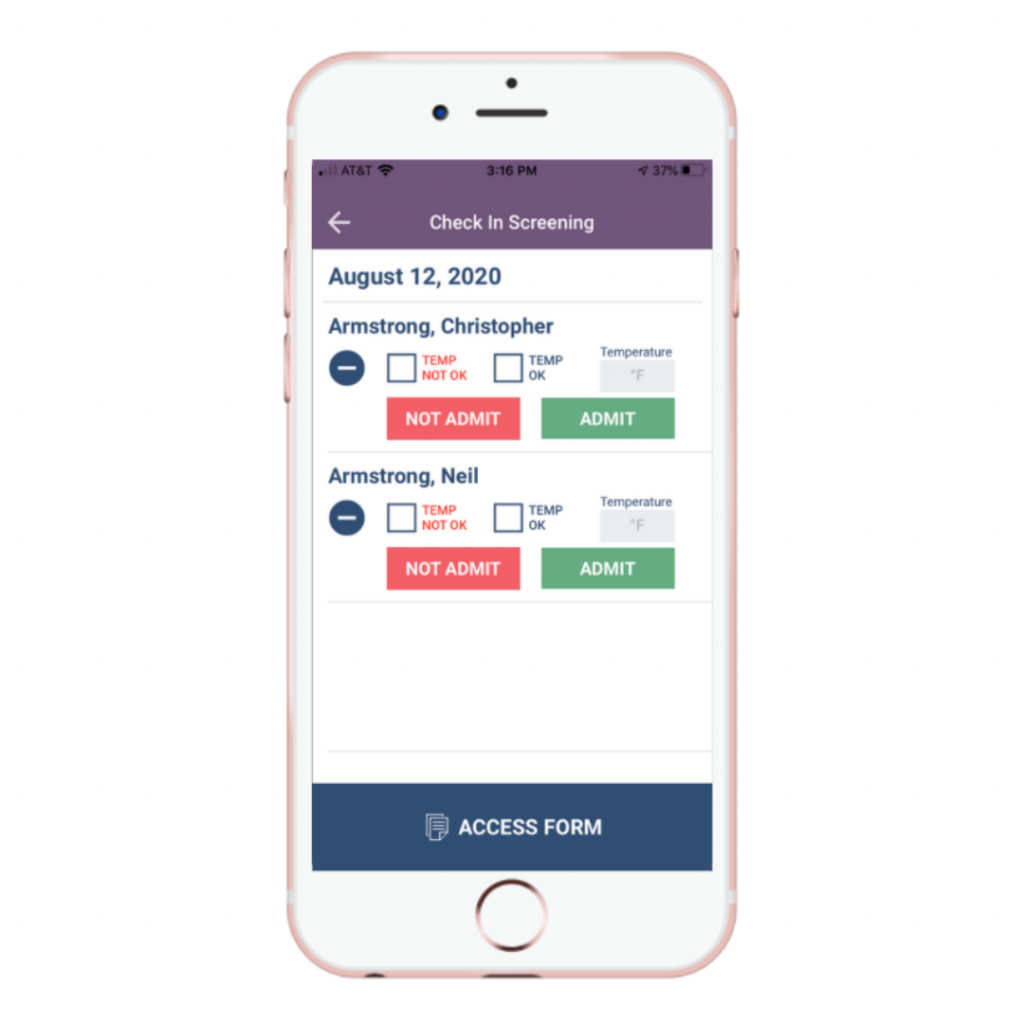

 

Here are some of the great features that Clubhouse provides:

• Create and share audio chat rooms with anonymous users

• Search for specific communities or categories of communities, such as music genres

• Meet new people and reconnect with old friends, using shared codes

• Can be used to anonymously broadcast your thoughts or opinions

• You can connect Clubhouse to your phone’s media player to listen privately

There are many factors that determine how well an app (social or otherwise) will perform once it has been created. This article will cover some of those core factors as well as how to go about developing an app like Clubhouse.


The Main Factors in Developing a Successful App

There are several factors that decide whether or not an app will be successful. These factors include:


Quality of the Idea

This factor is perhaps the most important of all because it determines if there will be demand for your app in the first place.


Functionality

Another factor that can make or break an app is how useful it actually is to the users. For example, an app that provides information but doesn’t actually provide any real world value won’t succeed because it will be seen as a novelty and not something that people need in their lives.


Time Frame

As with any start-up, time is of the essence and limiting yourself to a two or three month deadline is likely going to result in you rushing your app into completion. Rushing the development process will more than likely lead to corners being cut which leads to an overall shoddy product that people won’t want anything to do with.


Design

This factor can make or break an app as well, especially when it comes to design and user interface (UI). A beautiful UI with average functionality may be seen as better than having a terrible UI and amazing features. When in doubt, it’s always best to go for functionality over design. However, keep in mind that design can add a sense of value and quality to your app which may persuade people to download it.


Marketing

If you expect people to be downloading your app, you need to let them know that it even exists. Spending time or money on getting the word out about your app will make it more likely for people to discover it and give it a try.


Distribution

Once you’ve got an app ready to be distributed, you then have to find a way of giving it out to the public. This is done most commonly through online stores such as Google Play or Apple’s App Store and is usually free or at least substantially reduced from the original price tag (in order to attract more downloads).


Pricing

Pricing is one of those factors that can make or break your app. If you decide to go for a paid version with no in-app purchases, it will require the user to shell out their hard earned money before they can even download the app. In-app purchases on the other hand allow users who want to remove ads or gain access to extra features to do so by paying a small price. The downside is that in-app purchases are almost always more expensive than the actual app itself which may deter customers from purchasing your app.


Designing an App Like Clubhouse

Before you begin any design process, it’s important to have a concrete idea of what you expect your app to look like and how it will function. Clubhouse is a rather simple app as far as design goes, but it does have certain defining features that separate it from other audio communication apps such as Discord.


Tabs

The most important feature of Clubhouse’s UI design is the tabbed interface which allows users to switch between different chat rooms. The tabbed interface also gives users the ability to quickly jump between different sections of the app and ensures that navigation remains simple.


3D Touch

The ability to use 3D touch to show shortcuts for chat rooms is another feature that can be adapted as well as extended for usage across other apps. The power of 3D touch is that it allows customers to customize the app to their liking without giving them too many options at once.


Chat Format

Clubhouse separates itself from other apps such as Discord by using a chat format similar to Facebook Messenger. This allows Clubhouse users to chat in columns rather than just one large stream of information.


Chats

The chats section is where you can see all the different conversations that are going on in Clubhouse at any given time. Like Facebook Messenger, it allows for scrolling so users can choose to view older chat logs or focus mainly on the most recent ones.


Rooms

If you’re planning on developing an app like Clubhouse, you’ll have to come up with a way of creating your own chat rooms. Clubhouse’s chat rooms are rather simple, but by choosing to have users create their own rooms in the first place, it ensures that there is always a place for people to communicate with each other.


Notifications

This is one feature that not every audio communication app possesses which allows users to know when someone begins speaking in their chat rooms. Notifications prove especially useful for those who have multiple conversations going on at the same time and may miss out on messages otherwise.


Offline Messages

Even if you’re offline, Clubhouse makes sure that you never miss a message by offering offline messaging which allows users to send messages while they are away from the app.


Read Receipts

While read receipts can be a rather controversial topic, Clubhouse allows moderators to determine whether or not they want to implement them.


Costs to Develop an App Like Clubhouse

The cost to develop an app like Clubhouse will vary depending on who is developing it and how long they’ve been in the business.


• An independent developer working alone can expect to pay anywhere from $50,000-$250,000 while working on the app for a year.

• A team of developers led by an experienced industry veteran can expect to pay around $100,000-$500,000 depending on how big the development team is and how complex the final product will be.


Tips When Developing an App Like Clubhouse

There are a couple of things you should keep in mind when developing an app like Clubhouse.


Always Have a Plan

Nothing will send your project down the drain faster than not having a blueprint of where you want to go and how you’re going to get there. Have a clear roadmap for what you want your app to be and how you’re going to get there so that way nothing is left to chance.


Be Flexible

While you may have a clear vision for what you want your app to be, there’s no guarantee it’ll resonate with the market. A successful business is one that can quickly pivot to keep up with its audience so always have an open mindset about how you plan on developing an app like Clubhouse.


Sunvera Software develops next-level software applications from start-to-finish. We are a premier software and mobile app development agency specializing in healthcare mobile app development, custom mobile app development company, telehealth software, sales dashboards, custom mobile app development services, retail software development, supply-chain software, ecommerce, shopify, web design, iBeacon apps, security solutions and unified access software.

We are proud partners with Amazon AWS, Microsoft Azure and Google Cloud.

Schedule a free 30-minute call with us to discuss your business, or you can give us a call at (949) 284-6300.

SchoolCues Helps Bring Children Back To School During COVID With a Screening Mobile App

8/27/21 SchoolCues (www.schoolcues.com), a premier school management system specifically catered towards small schools, recently released their COVID screening app to help students go back safely to classes. The beta version of the app was released last year with the emergence of the pandemic, and based on positive feedback by users, the final version of the app is due for release at the end of August. 


The SchoolCues’ COVID screening app allows small schools to effectively screen students in seconds before they enter school buildings. This is a game-changer for those schools that have been struggling with COVID guidelines and COVID compliance. The current practices involve excessive use of paper to manually screen students, which is not only time-consuming but hinders timely COVID compliance.


Ever since the release of the beta version, SchoolCues has documented approximately half a million COVID form submissions, and screened a total of 5000+ students. In the past month especially, SchoolCues has seen an overgrowing demand for schools to be able to use the screening app as soon as possible for the new school year, to ensure that there will not be any disruptions with students’ learning. Schools want to make sure that children can continue to learn inside the classroom, as opposed to their homes, where there may be many distractions.


The development and release of the COVID screening for schools app would not have been possible without the help of Sunvera Software, an Irvine-based software development company, specializing in secure application development, cloud solutions, and custom software development.


“SchoolCues came to us with an interesting idea, and our team’s expertise in building screening apps mixed with our excitement to be able to contribute to this project to make life easier for school administrators allowed for a smooth delivery of the project right in time.” claimed Sanga R., Chief of Customer Success at Sunvera Software. 


The COVID (bring children to school during COVID) app (https://www.schoolcues.com/electronic-covid-19-screening.html) has been released for both iPhone and Android. SchoolCues has plans to work with Sunvera Software to be able to release their upcoming modules including Donations and Fundraising, Alumni Management, and Financial Management modules.


SchoolCues is an all-in-one school management software system catered towards small schools including Montessori, Christian, Waldorf, Lutheran, Charter, and Independent schools. Since 2010, SchoolCues has delivered effective school management solutions including parent engagement and communications to thousands of small schools in the United States and Canada. More information on the company can be found at www.schoolcues.com.


Sunvera Software is a local software development solutions provider headquartered in Irvine, CA. Formed in 2013, Sunvera provides custom software development with security-focused mobile and web app development, cloud migration, database solutions, and more. More information on the company can be found at sunverasoftware.com.

AI in Fitness Apps? 5 Real-Life Examples

AI in fitness appsFitness trackers and apps are a popular tool for fitness buffs, but can AI help the industry to evolve even more? Early research shows that it might. Below are five examples of artificial intelligence (AI) in fitness tracking devices and applications.

 

1.    Using AI to Make Fitness Tracking More Accurate

Smartphone apps that monitor daily activity can be helpful to people who are trying to get in shape. However, many of these popular fitness trackers and apps on the market today sometimes fail to accurately track physical activity.

Researchers at Boston University have developed an artificial intelligence algorithm that uses smartphone data from accelerometers and gyroscopes—devices that measure motion—to accurately map physical activity. The team led by Computer Science Professor James Wang is using the new algorithm to create a smartphone app called BU-Atlas that detects patterns in how we move and uses those movements as indicators of our activities throughout the day. “We would like to be able to use these data to understand how people are moving, in order to tell them, for example, that they should avoid traveling in certain ways or walking down particular streets,” says Wang. The BU-Atlas app contains an algorithm that can be used to monitor a person’s physical activity and how their movements change throughout the day.

“We don’t think it will totally replace fitness trackers,” says James Siminoff, a member of Wang’s BU team. “But we do believe it can provide valuable information to give people better insights about their health.”


2.    Using AI to Gain Personal Insights into Health and Risk for Disease 

While many fitness trackers and apps use sensors to accurately monitor physical activity in the user, some researchers are using artificial intelligence technology to gain more personal insights into the person’s health and risk for diseases.

Specifically, a team of scientists from New York University (NYU) recently developed new machine learning algorithms that enables computers to interpret large volumes of medical data to predict cardiovascular risk. The scientists used data from more than 700,000 patients who were treated for cardiovascular disease (CVD), along with electronic health records from a national database of hospitalization records.

In addition, the researchers created artificial intelligence models that can detect and interpret patterns in patient medical history and hospitalization data to accurately predict CVD risk. “It’s exciting because our models show that artificial intelligence can be used to understand so much about a person from their electronic health record, even when it’s not related to the reason why they were hospitalized,” says Cardiologist and NYU School of Medicine Associate Professor Dr. Matei Zatreanu, who led the research team along with NYU School of Engineering Professor Dr. Yann LeCun.


3.    Using AI to Develop Personalized Workout Plans

Fitness guru Jillian Michaels recently worked with Alphabet’s health-tech subsidiary Verily to develop a new app called “Fit”. Built off of the deep learning tech developed by Google, Fit uses AI and machine learning to analyze data from wearable devices such as smartphones and smartwatches, in order to recommend personalized workout plans. The app is able to track physical activity, monitor heart rate, and map exercise routines. Fit will also track the user’s diet by using images of meals taken with their smartphone to identify ingredients. The app then provides personalized suggestions on healthy meal alternatives that can aid weight loss efforts.


4.    Using AI to Create a Virtual Personal Trainer

In April 2021, Qualcomm announced that it is developing a virtual personal trainer based on artificial intelligence. The new AI Coach app will be able to monitor users’ heart rate, speed of movement, and other physical attributes while they are working out. This data is analyzed using machine learning so that the app can keep track of changes in the user’s fitness levels over time and offer suggestions for how to make improvements.


5.    Using AI to Monitor Disease Symptoms

Researchers at the University of Maryland recently announced a new smartphone app that uses machine learning and deep-learning algorithms in order to measure symptoms related to Parkinson’s disease and predict the onset of seizures. The app uses an algorithm to monitor such data as heart rate, movement, and voice recordings to track the effectiveness of treatment for Parkinson’s disease. This new research proves that AI has a place in our everyday fitness apps and can be used to great effect in helping users improve their health.

Since these applications rely on data collected from wearable devices, it is important for consumers to be aware of how their data is being used and how it might be shared with third parties. For example, users of Microsoft’s DDx app need to grant the company permission to access their data from any wearable devices they are using. These apps also typically require medical records information on the user, so it is important to understand the privacy policies of these types of services before agreeing to use them.

These are just a few of the many examples of how AI is being used to develop new apps and products that can improve our lives as they make use of health and fitness data collected from wearable devices. Although it may seem unusual for AI to be used in this space, these technologies have rapidly evolved over recent years and now allow us to track our fitness stats and improve our health in a completely new way.

The potential for AI to transform healthcare is enormous so much so that it has captured the imagination of many people including Bill Gates, Mark Zuckerberg, Elon Musk, Steve Wozniak and many more. While there are skeptics out there who believe that AI won’t be able to solve health issues, there are others who are eagerly expecting the technology to completely change healthcare as we know it.


Sunvera Software develops next-level software applications from start-to-finish. We are a premier software and mobile app development agency specializing in healthcare mobile app development, custom mobile app development company, telehealth software, sales dashboards, custom mobile app development services, retail software development, supply-chain software, ecommerce, shopify, web design, iBeacon apps, security solutions and unified access software.

We are proud partners with Amazon AWS, Microsoft Azure and Google Cloud.

Schedule a free 30-minute call with us to discuss your business, or you can give us a call at (949) 284-6300.

App Monetization: Models and Strategies

app monetizationOnce you have your app developed and ready to launch, the question of how to make money from it becomes a priority. The two main models are: free apps with in-app purchases or paid apps. In this article we will explore both options along with other monetization strategies which can be implemented to complement them.


 

Free Apps With In-App Purchases

This is the most used model by far. It consists of offering your app for free, but giving users extra content or premium features if they pay for them. Research by EEDAR shows that 77% of consumers are comfortable paying for upgrades within an app (such as extra levels, lives, hints or coins).

There are many ways to implement in-app purchases.  For paid apps, you can offer a free trial version with the full content locked and an in-app purchase to unlock it. Another option is to allow users just to buy individual levels instead of having to make the purchase for the entire app (e.g., in strategy games).

In the case of free apps, you can offer a range of different items for purchase such as coins, lives or hints through which users can progress in the game. You could also use advertising to monetize your app, but this is not recommended if you want to keep your user base.


Paid Apps

Apps that require payment from the start might seem like a risky move, but with more than 350,000 apps on iOS and 300,000 on Google Play, it is actually one of the best ways to improve your app’s discoverability. As with any other business model, there are many factors to consider when choosing between paid or free apps:


Revenue Possibilities

A free app will typically generate less revenue than a paid one, but there are may other ways to increase revenue such as in-app purchases or advertising. In the case of paid apps, you have to take into account that users who download your app might not be prepared to pay for it, so you need to offer a free trial or a price that is as low as possible.


Frequency of Purchases

Paid apps should be paid for once, but with in-app purchases and other options the frequency can be higher (e.g., users might pay for coins, lives, hints etc.). Therefore it is important to consider how often users are willing to make an in-app purchase.


Target Audience

Depending on if your app is free or paid, the demographics of users will be different. For example, a game with in-app purchases should aim for younger audiences who are more willing to make in-app purchases than older ones. However, in the case of paid apps, it is important that you target a specific audience who has a high likelihood of paying for your app.


Portability

With paid apps, you have the option of releasing the same app on different platforms and charging a single price for it. This not only makes your monetization strategy more efficient because all users will pay the same amount for an app regardless of which platform they use, but also makes marketing easier because you can make announcements about updates and new content on all the different platforms at once.

With free apps, if you update or add new features it can be very difficult to target users of other platforms (e.g., get them to download the latest version when they are already happy with the current one). You could try putting in-app purchase options into older versions, but this will cause some users to complain about having to pay twice and considering that the revenue received by Apple and Google is a percentage of purchases made on their platforms, you are missing out on extra revenue.


Monetization Strategies to Complement Free Apps With In-App Purchases or Paid Apps

Although in-app purchases are the most common way of monetizing an app, there are other options that can be implemented as well.


Subscriptions

Users can pay for access to content or services on a regular basis (e.g., monthly, quarterly or yearly).


Freemium

Users have access to a free basic version of the app and can optionally download or purchase paid content (e.g., extra levels, coins, etc.).


Ads

Using advertising as a monetization strategy can be effective but it is important to consider the user experience. You should implement banner ads that don’t distract from the app and only appear in non-crucial parts of the user interface.


Loyalty Programs

Loyalty programs are a strategy that many big companies use to increase customer retention (e.g., Starbucks or Amazon). In the case of apps, there are two options: Reward users with points for doing something they normally do (e.g., game app where users get points for playing). Allow users to earn virtual currency through tasks that take time (e.g., Foursquare or Swarm).


Integrating New Monetization Strategies Into Your Existing Apps

If you have an app already live and generating revenue, it is important to consider the logistics of adding a new monetization strategy. Since different strategies require different methods of implementation, it is important to do this at the right time.

If you are planning an update for your app, then you should add new monetization opportunities in that version. If adding a new strategy or changing the existing strategy requires extra resources (e.g., redesigning elements of the user interface to be more suitable for ads), then you should do this based on the priority of both updates.

A free app can be a good strategy in some cases, but it is important to keep in mind that free apps with frequent advertisements or in-app purchases are not the best choice for monetization. For example, an advertisement every few minutes can distract users from the app or they might get annoyed and stop using it after a while. However, if an app is basically free to use (e.g., reading articles in a news app), then there is no harm in using this strategy.


Sunvera Software develops next-level software applications from start-to-finish. We are a premier software and mobile app development agency specializing in healthcare mobile app development, custom mobile app development company, telehealth software, sales dashboards, custom mobile app development services, retail software development, supply-chain software, ecommerce, shopify, web design, iBeacon apps, security solutions and unified access software.

We are proud partners with Amazon AWS, Microsoft Azure and Google Cloud.

Schedule a free 30-minute call with us to discuss your business, or you can give us a call at (949) 284-6300.