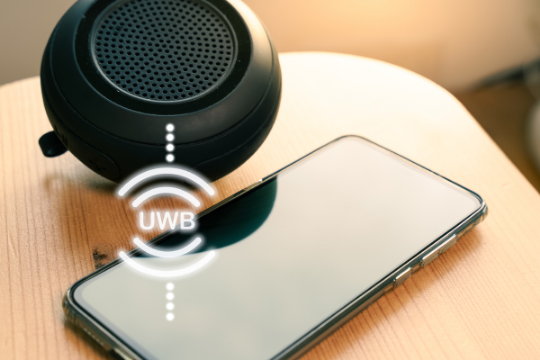
 The new series of technology is becoming more and more prominent in our society. The introduction of Ultra Wideband (UWB) has revolutionized the way we do things. This technology is used in different types of applications, and can be utilized in a variety of conditions such as strong magnetic fields, high-speed environment, or in harsh conditions.
In the short term, while standards for UWB operation continue to evolve, we will see devices that comply with various aspects of these standards – operating at different power levels and using different transmission modes. It is useful to understand some of the issues raised by UWB operation in order to avoid problems when deploying systems containing UWB devices.
If you are looking to incorporate UWB into your business, here are some factors to consider before embarking on this journey.
Factor #1: UWB Data Transmission Is Highly Susceptible to Interference
UWB works by sending a large number of evenly-spaced pulses over very short time periods. This high density of pulses enables the UWB device to carry more information per unit time than traditional wireless technologies. It also means that in each pulse, there are many opportunities for outside interference sources to jump into the communications channel and corrupt the signal. And since conventional digital receivers can not tolerate any missing or altered bits, it follows that these kinds of random (and generally small) errors can be quite disruptive to UWB systems.
Factor #2: Power Levels Will Affect How Much Interference You See
Based on some studies that have been done with early implementations of UWB across a variety of frequency bands, the amount of interference that UWB can cause to traditional wireless technologies is quite significant – roughly 20 times greater than traditional digital technology when transmitting at equal power levels. Because of this, it is important that UWB devices are operated at the lowest possible power level in order to minimize interference and maximize overall system performance.
Factor #3: Bandwidth Is Another Key Issue To Consider
Interference from UWB comes in the form of energy across a broad portion of the frequency spectrum, and can therefore be difficult to filter out. Since there are frequencies present that are traditionally unused in most commercial wireless devices, this means that an effective tool for mitigating interference is a band pass filter. Some early implementations of UWB have used digital signal processing (DSP) techniques on analog signals at various points in their communication infrastructure as well. In addition to using DSP, some data rates allow signaling with multiple channels in parallel, which helps mitigate the impact of interference further by eliminating any one channel’s contribution when only one or two channels are affected. At least for these bands, a fairly good level of interference rejection can be achieved with dual channel systems (and possibly triple channel in the future) – but at a cost of roughly twice as much digital hardware.
Factor #4: UWB Is Subject to FCC Regulations for Spectrum Usage and Control
In addition to potentially high levels of interference, since UWB operates in part on a spectrum that is traditionally unused, it will also need some sort of regulatory approval to ensure system compatibility and control. The FCC is currently drafting new rules for UWB that will outline sharing requirements and other important factors regarding the deployment of UWB devices.
Factor #5: UWB Is a Relatively New Technology, and May Require Hardware Changes in Some Situations
While there have been several different implementations of UWB radio chipsets available over the last few years, there are still many more options to come in terms of commercial solutions. The nature of this technology requires some fairly precise timing by both the transmitter and receiver, so it will be interesting to see if the existing industry standards are adopted for use with UWB – or not. There is also a consideration that the wide bandwidth of these devices might induce interference into other systems that would otherwise work fine on single-channel products – but time will tell as we begin to see products released on an ongoing basis.
As mentioned previously, UWB is a technology with the potential to deliver tremendous value across a variety of markets. The ability to deploy high data rate solutions that do not suffer from multipath interference or other issues related to wireless in general is certainly an attractive proposition for a wide range of applications. On the other hand, however, there are some challenges that must be overcome before UWB can be deployed without concern of interference or regulatory issues. As a result, it is important to start thinking about these factors up front when you begin planning how to implement UWB into your network design.
Sunvera Software develops next-level software applications from start-to-finish. We are a premier software and mobile app development agency specializing in healthcare mobile app development, custom mobile app development company, telehealth software, sales dashboards, custom mobile app development services, retail software development, supply-chain software, ecommerce, shopify, web design, iBeacon apps, security solutions and unified access software.
We are proud partners with Amazon AWS, Microsoft Azure and Google Cloud.
Schedule a free 30-minute call with us to discuss your business, or you can give us a call at (949) 284-6300.
 If you are looking to automate your accounting, custom software development firms won’t disappoint you. Relying on conventional Excel spreadsheets for accounting is just like shutting the doors of progress and growth for your business. Automated accounting systems are no more luxuries but the need of the day. Whether you are a new startup or a well-established local business, you need to automate your accounting to optimize your financial affairs.
 Crowdfunding has become the pulse of the internet, a way to get creative juices flowing and support an idea in other words. With all the money and free resources out there for people that want to create something, why are charities turning to a crowdfunding website? Well, it turns out these types of fundraising sites are increasing in popularity because they offer fundraisers an opportunity to reach out directly to their fans or supporters.
 If you own a business, you are probably familiar with the term “point of sale” (POS). A POS system is essentially a computerized cash register that businesses use to keep track of inventory, sales, and other important aspects of their company.
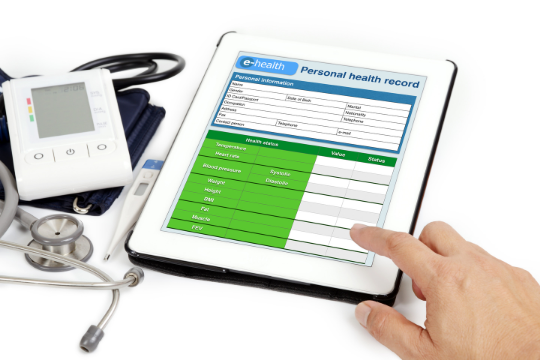 A hospital information system is an electronic healthcare system that provides access to patient information, health care facility and physician staff activities, patient demographics, clinical data, and hospital activities for use in business intelligence.
 There are certain terms that businesses need to be familiar with in order to operate properly so there is no legal trouble. Before forming a business, entrepreneurs need to know the difference between a patent, copyright, and trademark. It can be frustrating to learn the difference as there are many similarities between the three but it is important for every business owner to understand them.
  Which is more important: the equipment or the people? In developing telehealth solutions, it’s often easy to get caught up in the excitement around technology and forget most of the responsibility falls on people.
 Over the past decade, online education has arguably emerged as a viable alternative to traditional classroom-based learning. Online communication and interactions have helped people connect across distances and can help schools deliver their courses in a way that is convenient for learners. This evolution is one of the many future trends predicted to shape the future of online education as it exists today and in years to come. As online education matures, there are new techniques and tools used by instructors to provide a more interactive learning experience for their students.
 In healthcare, mobile apps have become an integral part of healthcare delivery. They serve a variety of purposes and can be customized to meet the needs of healthcare providers in urgent care or medical offices. With so many different healthcare app development companies out there, it’s important that you know what to look for before hiring one.
 The cloud is changing every business, from start-ups to Fortune 500 companies. The benefits of the cloud are so great and widespread that it is quickly becoming an essential part of doing business today. But developing apps in the cloud presents several challenges that developers have never had to face before.