
The Easiest to Hardest Data Security Implementation Strategies

data security strategiesData security is of key importance in today’s business world due to the growing threats from hackers. Fortunately, there are a number of methods you can employ to protect your data, ranging from easy-to-implement strategies to the more robust and harder-to-implement kind.


Common Data Security Strategies

There are three main strategies for data security. These include physical measures, software measures, and administrative measures.

The easiest but most costly method of securing your data is to keep it physically secure. This means keeping your disks, laptop or other storage devices locked in a safe when you are not using them, and keeping the keys to your safe secure. If you have this much money at hand to spend on securing data, then by all means build a bunker for it.

You can also keep your data secure by using software to encrypt your data and employing firewalls to stop people from accessing your systems. This can be accomplished by using secure file transfer protocols such as SFTP, SSH, SCP and HTTPS.

Lastly, administrative measures related to security involve limiting access only to authorized users and keeping a proper inventory of what is in use and why. This is important because you need to know what’s at risk and who has access to it.


Easy Data Security Strategies To Implement

When we refer to a strategy being easy with regards to dealing with data security issues, we mean that you don’t really have to put much effort into the implementation. They don’t require any major system overhauls.

The first method is encryption of your data. Data can be encrypted through software or by using physical disks which automatically encrypt the data stored on them at all times. This prevents anyone who doesn’t have proper authorization from accessing the information stored on these disks, even if they manage to steal them.

The second method is to keep data off of your workstations and encrypt them before you store them onto a server where they can be accessed by anyone who logs into that server. You have to set up user accounts for each person who needs access to the server and create a separate account for each application they will be using on the server. This way, it will be impossible for someone with access to the same username and password as another person to gain unauthorized access to that user’s data.

You can also employ a third method by regularly backing up your systems so you have a backup copy of all your data in the event that your system gets hacked and becomes compromised. This way, you can restore all your data from the backup and get back to work.

Of course, these methods go hand in hand with careful management of accounts and software permissions. All users should be assigned an individual password for their account, and only authorized personnel should be able to log into servers and workstations. You should also keep track of who is doing what on which computer, so if there are any discrepancies in the data security system you can act accordingly.


Intermediate-Level Data Security Strategies

Intermediate business data security strategies include having a data loss prevention (DLP) system in place. DLP systems provide organizations with the ability to monitor and control how data is used, transferred, shared, or disposed of when an organization no longer needs it. They use encryption and other security methods to keep information safe and secure in unauthorized hands. The main advantage of DLP solutions is that they can provide organizations with the ability to monitor all unstructured data leaving a corporate network. The biggest disadvantage of DLP tools is that they can cause significant performance problems on networks, especially if they are not configured properly.

Above that, companies need to have an incident response team in place. If a breach occurs, the incident response team should be notified immediately. The faster they are notified, the faster they can stop the breach. Companies should also have secure business continuity plans in case of an emergency, such as fire or flood. The business continuity plan should consist of a backup and recovery strategy, as well as formalized processes for employees to follow in the event of an emergency.


Hard Data Security Strategies to Implement

At the final stage, companies need to have a breach response plan in place. The plan should include an emergency meeting point and contact list with the appropriate people who need to be informed of the incident, as well as an action plan for responding to and recovering from the incident. All employees and stakeholders should be familiarized with their role in handling security incidents.

Companies should also have a security testing tool that will be used periodically to test changes in the environment and assess ongoing risk levels. These tools also allow companies to monitor all information and alert them of any issues detected, such as unauthorized access attempts and malware infections on systems.

The first step is always to make sure you back up your data, so if your company does fall victim to a data breach you can recover all of your information. Here are some tips:

  • Don’t use the cloud storage provided by the software developers because there is no way for them to help in that situation and they may even delete your account and files in order to prevent further problems.
  • Ensure that your computers are using the most up-to-date software and antivirus protection so you minimize any chance of having an unpatched vulnerability exploited.
  • Use strong passwords to access systems and always update them regularly. If possible, change your password every month or two because this will lower the chances of hackers getting into your system. And make sure no one else has access to your administrator password.
  • If you can, use a token or a USB drive for two-factor authentication when making financial transactions online. This will add another layer of protection and make it even harder for hackers to get into your accounts because the information isn’t the same as other logins.
  • If you maintain systems, always update them before hackers find the vulnerabilities that they are looking for. You don’t want to stay at the same risk level forever when it’s easy to change and update your security configuration.
  • Make sure all devices (laptop, tablet, and phone) are using current anti-malware protection, as well as automatic updates, to ensure they are protected against any new vulnerabilities that may arise.
  • Train your employees on how to recognize potential attacks and what information should be reported immediately to management or security personnel so you can take care of the issue before it becomes a problem.


If you’re just starting out with data security, it’s best to begin with the easy options and move forward from there once you understand the basics of how everything works together in your business. Implementing hard data security solutions before learning the basics might lead to more mistakes and vulnerabilities, which could be even more disastrous than not protecting your data at all. It’s better to start with some simple steps and ensure you have the right professionals on board if possible so that everything is handled properly from day one. Then as your company grows you can increase the difficulty of the security protocols and solutions implemented in your business.

Sunvera Software develops next-level software applications from start-to-finish. We are a premier software and mobile app development agency specializing in healthcare mobile app development, custom mobile app development, telehealth software, sales dashboards, custom mobile app development services, retail software development, supply-chain software, ecommerce, shopify, web design, iBeacon apps, security solutions and unified access software.

We are proud partners with Amazon AWS, Microsoft Azure and Google Cloud.

Schedule a free 30-minute call with us to discuss your business, or you can give us a call at (949) 284-6300.

Enhance Security While Developing An App Instead Of Waiting Till It’s Deployed

developing an appApplication security is a huge concern for many organizations today. There are a lot of things to consider when developing an app so that you can reduce vulnerabilities and enhance security before it is even deployed.

 

Why Prioritizing Security Is Crucial When Developing an App

There are so many different types of apps with varying levels of security concerns, and many of them can be avoided if the proper preparation is made while they’re still in their development stage. Here are some common vulnerabilities in mobile apps you should anticipate so that you don’t deploy your app without any security measures already in place.


Sensitive Data Exposure

This type of vulnerability is where the app is not protecting the data it is using. Sensitive information might be stored for resell in plain text when there should be some form of encryption used.


Broken Cryptography

An algorithm or key has been broken, resulting in hackers gaining access to your information.


Transport Security

The transport security vulnerability happens when the app is not using TLS.


Insufficient Authentication/Authorization

There is too little or no authentication is used at all. This also goes along with an authorization flaw allowing access to unauthorized users.


Improper Session Handling

When you are developing your app, there are many things that can go wrong with the session like recycling it too soon, not setting the time out correctly, and not removing inactive sessions.


Buffer Overflows

This happens when the amount of data being written to a buffer is larger than its capacity. This can lead to hackers gaining access to your device and/or information on your app.


Authentication Bypasses

This is when a user’s credentials do not match up with those on file. They might have access to the information they should not have access to.


Directory Traversals/Path Traversal

This happens when directories or files are not being checked for user input, making it possible for hackers to gain access without needing any passwords at all.

The list goes on, but the point is the same: prioritizing security during mobile app development is better than waiting until after an app is deployed because you avoid issues that are harder to fix once they’ve arisen.


Why Starting With Secure Code Is Better Than Retroactively Fixing It

Starting with secure code during development is a best practice because it is less expensive and time-consuming than retroactively fixing vulnerabilities after they have been discovered. Developers may need to do everything from rewriting the code to replacing encryption libraries. Retroactively fixing vulnerabilities may also require additional functionality that either wasn’t necessary at the time or was unplanned for. There is also a chance you could introduce new security vulnerabilities during these fixes, further compounding the problem.


Tips To Develop More Secure Apps

Regularly reviewing your code for potential flaws is one of the most important things you can do while creating an app. This is not specific to mobile, but it’s still a necessary part of the process.

Another good practice for increasing security during development is to use the minimum amount of permissions possible. You should always ask yourself “does this app really need that permission?” For example, if you’re developing an app that only works when an Internet connection is available, there is no reason you should ask for permission to access the camera or contacts.

Using a strong encryption algorithm in your app is another important practice, especially since it is easy to make a mistake when determining which one will be best for your needs.

Other best practices when developing secure apps include using third-party libraries and SDKs, using long random keys (rather than short ones), encrypting stored data at rest, tracking user behavior to find potential attacks, performing regular penetration testing on the app, keeping up with patches/updates of all third-party software components used by the app, and creating a “secure” development environment.

Considering all of the best practices to follow, it is easy to see why the most secure apps would take them into account from the start is a better option than retroactively fixing issues after they’ve been discovered. If you thought that was useful, then you might also want to look into it.


The most secure apps incorporate coded protections right away rather than only thinking about it once you’ve deployed your app. We’ve seen that best practices entail regularly reviewing code, using the minimum permission possible, and employing effective encryption algorithms. That’s why it’s important to keep all of this information in mind while designing, coding, and deploying your app. 

Sunvera Software develops next-level software applications from start-to-finish. We are a premier software and mobile app development agency specializing in healthcare mobile app development, custom mobile app development, telehealth software, sales dashboards, custom mobile app development services, retail software development, supply-chain software, ecommerce, shopify, web design, iBeacon apps, security solutions and unified access software.

We are proud partners with Amazon AWS, Microsoft Azure and Google Cloud.

Schedule a free 30-minute call with us to discuss your business, or you can give us a call at (949) 284-6300.

Improve Mental Health With VR Technology

VR technologyVirtual reality (VR) is quite simply the next step in human evolution. Given its importance, it’s surprising how little attention people are paying to this disruptive technology. The main advantage of VR tech over current technologies is that VR provides people with a full-immersion experience.

But what is VR technology, exactly? What uses does it have? And why is it so important?

Virtual reality is a computer-generated simulation of an environment that gives the user the experience of being in that world and in a particular situation. This concept can be applied to nearly every aspect of life from entertainment and gaming to medicine and treatment for mental health issues. VR allows people to practice working with their hands and fine-tune their skills virtually before they do it for real. It also enables them to mentally prepare themselves for difficult tasks that they need to perform on or with another person. It’s little wonder that virtual reality adoption has been happening at an exponential rate over time, as its uses are manifold—especially in the medical field.


How VR Tech Can Be Used For Healthcare

VR tech can be used for healthcare by allowing patients to practice specific skills before they apply them in real life. VR can also be used for training purposes, where medical students and residents can learn how to deal with different clinical situations. In fact, VR tech is being adopted by healthcare organizations around the world as a tool to engage, educate and even entertain patients.

The latest in VR technology allows surgeons to practice a procedure before they perform it with a patient. The surgeon can use a 3D model of their patient’s organ, which can be altered or manipulated in any way using VR controllers. As a result, the surgeon has all the time he needs to learn how to use his tools properly and prepare for anything that might happen during surgery.


Ways VR Can Help Improve Mental Health

VR technology can be used both as a therapeutic tool and as a training program for children to help them learn how to handle certain situations. It can also be used by adults suffering from mental disabilities like autism, agoraphobia, PTSD, addiction, and depression. Virtual reality provides the necessary distance needed by patients who struggle with anxiety or panic attacks in their everyday lives; it also helps reduce anxiety and stress, as feedback is provided in the virtual world through various biofeedback mechanisms. This allows patients to overcome their fears, phobias, or disorders by working with therapists virtually before sharing the experience with others physically.

VR tech can be used to help children and teenagers who struggle with anxiety or panic attacks in their everyday lives can train themselves through virtual reality to handle certain situations instead of learning from a therapist. This creates an environment where the child is able to overcome their fears, phobias, or disorders increasingly as they progress through different levels. Students can also learn how to handle certain complicated situations involving various forms of abuse or bullying so that when they are in the real world, they will know what to do and how to react immediately.

One of the issues with mental health is that treatment often requires direct contact between a therapist and the patient in order for it to work well. But what if patients cannot afford to pay a therapist for face-to-face sessions? Or what if there aren’t any therapists in their geographical location? That’s where virtual reality comes into play — by using VR, these people can train themselves through cognitive behavioral therapy exercises without having to see a real person.


The Future of VR Tech (Regarding Mental Health/Healthcare)

The use of virtual reality for mental health doesn’t stop at hospitals, treatment facilities, or schools; it has entered the homes of people worldwide. Virtual reality can be experienced through a headset that covers the eyes and ears in order to block out the real world for an immersive virtual experience instead. This is able to turn any home into a safe space where patients are able to overcome their fears in order to improve their mental health without having to rely on other forms of assistance like medication. It also helps minimize distractions while they work with therapists virtually before coming face-to-face.

Virtual reality technology offers hope for improving mental health worldwide because individuals can use it without access to costly treatments like medications, therapists, and expensive equipment. Virtual reality is able to connect people all over the world through immersive experiences. It can also help them overcome fears in a safe, controlled environment where they are able to practice certain exercises or scenarios in order to improve their mental health.

Sunvera Software develops next-level software applications from start-to-finish. We are a premier software and mobile app development agency specializing in healthcare mobile app development, custom mobile app development, telehealth software, sales dashboards, custom mobile app development services, retail software development, supply-chain software, ecommerce, shopify, web design, iBeacon apps, security solutions and unified access software.

We are proud partners with Amazon AWS, Microsoft Azure and Google Cloud.

Schedule a free 30-minute call with us to discuss your business, or you can give us a call at (949) 284-6300.

AI Healthcare Apps Could Help Improve Medical Procedures and Diagnoses

AI healthcare appsThe field of artificial intelligence (AI) is already improving the healthcare experience in many ways.  AIs use pattern recognition to learn from historical data and diagnose and treat patients using machine learning algorithms.  They can mine past medical records to search for trends in symptoms and help provide better diagnoses than a human doctor may have been able to achieve.  

 

Functions of AI Healthcare Apps

There are a number of ways in which AI healthcare tools will help patients to better receive the medical attention they need while empowering doctors to take care of more patients without getting overwhelmed. Here are just a few of the many benefits offered from the combination of AI and healthcare apps:


Medical Training

AIs can provide low-cost, on-demand medical training for students and trainees.  It will be easier to find the answers they need when they need them most.  Medical training costs could also go down with the use of these apps.


Improving Diagnosis  

AIs can help doctors make better diagnoses by suggesting possible treatment plans based on the patient’s medical history and past experiences.  This will improve healthcare efficiency by reducing time spent diagnosing patients instead of moving on to treating them.


Disease Prevention  

AIs can use pattern recognition to identify risk factors for diseases and suggest preventive measures to reduce the patient’s risk of developing certain illnesses in the future. This will help reduce the risk of misdiagnosis and missed opportunities with regards to disease prevention.


Personalized Medicine  

AIs can use genetic algorithms in order to analyze a patient’s genes and personal biological make-up in order to provide personalized medical advice and treatments, based on the unique circumstances each patient faces. This means that patients will receive the care they need without having to wait for it.


Drug Discovery

AIs can use past data on genetic mutations to help discover effective drug treatments. This will help reduce the time and money spent on development, as well as increase the number of drugs available for doctors to prescribe.


AI Mobile Healthcare Apps

There are a number of AI-powered mobile apps in healthcare, such as IBM Watson, which uses predictive analytics to help doctors choose personalized treatments for cancer patients.  IBM Watson analyzed millions of research papers and patient records to uncover trends in medicine. This helped doctors identify a set of genes most likely to lead to remission in a patient with Chronic Myelogenous Leukemia (CML).

AI healthcare apps are available for download on the App Store and Google Play. These apps have evolved from initial rudimentary tools to sophisticated patient-care systems that can help doctors better diagnose patients.


The Future of AI in Healthcare

In the future, AIs will read and interpret medical tests better than a human, identify potential diseases before they occur, and even suggest the best-personalized treatments based on each patient’s specific genetic predispositions.

As big data becomes increasingly accessible, AIs will become much more advanced with recognizing patterns in a patient’s history to help doctors make diagnoses. AIs are already responsible for helping nurses and doctors more efficiently monitor patients, so that trend will only evolve further. While still in their rudimentary stages, these apps will show considerable improvement in their diagnostic accuracy, personalized treatment, and precise monitoring of medication and vital signs.

AIs may even become partners with surgeons by improving procedures and helping doctors avoid mistakes that can occur during surgery.  The use of AIs is growing quickly in the medical field, and their presence will likely continue to grow as they become more sophisticated.


Potential Advantages of AI in Healthcare and Potential Disadvantages of AI in Healthcare

The benefits of AI healthcare apps will reach all areas of healthcare, including but not limited to primary care, mental health, pediatric services, and homecare. AIs can go through medical records and provide more customized diagnoses than human doctors are able to give due to a lack of resources and time. AI healthcare apps will also help to reduce the number of patients that are misdiagnosed because doctors will have access to more information on which they can base their diagnoses.

AI healthcare apps will improve the efficiency of medical procedures and even reduce treatment costs by preventing diseases before they develop, avoiding the need to spend so much money on expensive treatments.

Of course, there are some drawbacks to the use of AI in healthcare.  Some experts believe that AIs may soon replace humans in the healthcare field, which could lead to job losses.  Others believe that AIs may not be able to completely replace human caregivers because they lack the emotional intelligence needed to provide certain types of care.  The technology used to develop AIs could be costly, so healthcare organizations may have difficulty accessing these tools. While there are signs of AI accuracy improving, there are still concerns that AIs may not be able to pick up on or understand subtle changes in patients’ conditions or moods.


As more and more people move their healthcare needs online and start using smartphones and wearables to monitor their health, AI healthcare apps have the potential to revamp the entire medical industry, saving countless lives, paving the way for healthier, more personalized medicine, and improving our overall quality of life.

Sunvera Software develops next-level software applications from start-to-finish. We are a premier software and mobile app development agency specializing in healthcare mobile app development, custom mobile app development, telehealth software, sales dashboards, custom mobile app development services, retail software development, supply-chain software, ecommerce, shopify, web design, iBeacon apps, security solutions and unified access software.

We are proud partners with Amazon AWS, Microsoft Azure and Google Cloud.

Schedule a free 30-minute call with us to discuss your business, or you can give us a call at (949) 284-6300.

Are Instant Apps Secure? What to Know Before Trying One

instant appsInstant apps are specially designed for mobile phones. They are lightweight native web applications that work within a limited scope without requiring installation on your device. They can be used seamlessly within their domain of functionality without leaving the app you’re currently using.
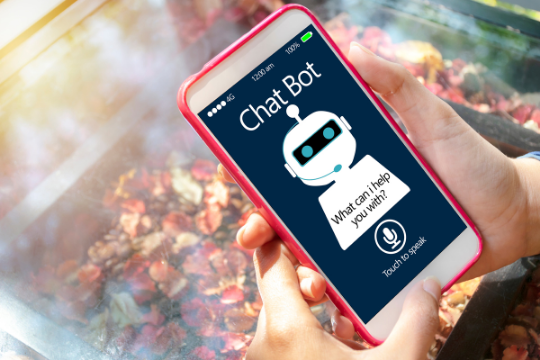
For example, if you want to buy an item from an e-commerce website but don’t want to install its native application on your phone, you could instead use the website’s instant app version which will load much faster than its full-fledged counterpart because it doesn’t have all the features included in a typical app store download. Knowing how to disable instant apps is simple. You just need to go to your device settings and toggle the instant apps switch. Any simple issues can easily be resolved by contacting iOS or Android instant app support to help you resolve them.

However, one might ask what security measures are put in place to ensure the safety of instant apps. The short answer is that instant app security is similar to non-instant apps in some ways but different in others.


Security of Instant Apps

One of the main differences between an instant app and its corresponding native app is how it’s delivered. While full-fledged apps are typically downloaded from their respective stores (Google Play or Apple Store), instant apps can be accessed over the Internet via URLs instead of through specific storefronts.

Another difference concerns licensing, since most paid applications require payment before they become available on your device. Instant apps generally don’t need any additional permission, besides access to network communications, which enables them to download data when needed (e.g., from a server) instead of keeping it inside the app itself. This is unlike native apps that can be installed just by following an installation link or scanning a QR code.

Since instant apps don’t need to be downloaded from Google Play, they are often mostly secure because you are required to have permission before being able to install them on your device. For example, if I receive a link which starts with “https://instantappsample.com/movies” and click on it, Android will ask me for permission to access my location data first since this is needed in order to track where you’re currently located so that the app knows what movies are available near you. If you were to tap on “Allow”, your location data will be used to retrieve a list of trailers from the movies that are currently playing in theaters.

That said, there is a difference between instant apps and native apps when it comes to encryption key storage. Usually, Android requires third-party apps to store keys for encrypting or decrypting sensitive information on a device’s local storage which makes them available only to the app itself (i.e., app scope). This means that if an attacker were able to get their hands on your phone, they would not be able to access any of the information stored in these encrypted files unless they also had your credentials (e.g., passwords) or cracked the decryption algorithm (which would probably take quite some time given the increase in processing power that comes with every new generation of smartphones).

This isn’t the case for instant apps. Since they can be accessed via an URL and don’t download any file from their servers by default, Android uses a different storage mechanism to store these keys: the browser’s cache. This means that if you use Chrome to visit a website with an instant app version, you will actually see two URLs in your address bar, one which points to the official site, and the other pointing to the actual JavaScript bundle containing your encrypted personal data.

This means that if you were to share your device with someone or let them use it for a minute, they could potentially access all of this information by checking the files inside Chrome’s cache folder which are publicly accessible. Of course, they wouldn’t be able to decrypt anything without your credentials (unless they were somehow able to determine the encryption key), but still, this poses a significant privacy concern.

Fortunately, Google has recognized these potential issues and is working on solutions for both of them. For instance, starting with Android O, Google Play Services will encrypt all of your data using a key that will be derived from the lock screen password or PIN code. This means that if someone gains access to your device, they won’t be able to read anything stored in these cached files without knowing your credentials first.

Secondly, Google announced that all future instant apps will use app scope for storage which means that all encryption keys will be properly stored inside the app itself instead of Chrome’s cache. This is definitely a step in the right direction, and it should make instant apps as secure as native ones which use their own custom key store to keep data private.

All in all, instant apps provide convenience and functionality that you don’t get with regular apps, but they come at the cost of security which is why you need to be aware of these potential issues.


Tips to Recognize Insecure Instant Apps

You can recognize insecure instant apps by checking the URL of the link you received. For example, if it starts with “https://instantappsample.com/”, then it’s safe to assume that this is an insecure instant app (please bear in mind that your mileage may vary depending on which version of Android you’re running and whether or not Google Play Services has been updated).

However, even secure instant apps have a few things to look out for since they can be used as shortcuts for phishing attacks. First, always check the origin of the link you receive before opening any links from people you don’t know or trust. This can easily be done by checking their URLs against popular social media websites like Twitter, Facebook, etc… If they are indeed linked to one of these services, then you can proceed with opening them.

Secondly, check the permissions that the app is requesting before installing it. This includes anything that it might be trying to access on your device or even via your internet connection. If something seems fishy to you, don’t install it and contact the developer instead. This will usually solve any issues since they are aware of how insecure their instant apps are (although this isn’t always true).

Finally, if someone tries to send you an instant app link over SMS or email which looks suspicious for one reason or another, then simply ignore it. There’s no point in hanging around waiting for trouble after all.


Luckily for Android developers, Instant Apps are still relatively new and no “killer” instant app has been released in the wild (although there are rumors that Facebook will start using Instant Apps soon enough). This means that it’s still safe to use them in your app, at least until someone releases an instant version of Facebook or YouTube in order to gain an advantage over their competition.

You should still be aware of the security concerns mentioned above since they might cause problems when used by third party apps or even when users make mistakes themselves (like giving away sensitive information without knowing). Fortunately for us, Google is making changes fast and hopefully everything should work out in a few months from now which means that we can safely use these new tools without losing our sleepover security issues.

Sunvera Software develops next-level software applications from start-to-finish. We are a premier software and mobile app development agency specializing in healthcare mobile app development, custom mobile app development, telehealth software, sales dashboards, custom mobile app development services, retail software development, supply-chain software, ecommerce, shopify, web design, iBeacon apps, security solutions and unified access software.

We are proud partners with Amazon AWS, Microsoft Azure and Google Cloud.

Schedule a free 30-minute call with us to discuss your business, or you can give us a call at (949) 284-6300.

Best Ways to Implement AI in Your App, and What Kinds of Apps Benefit Most from AI

AI in your appThere are two types of artificial intelligence. The first is called narrow AI, which can complete a specific task better than humans. IBM Watson, for example, dominated the TV quiz show “Jeopardy.” Since then, it has provided support to doctors in understanding medical articles and helped with creating new cancer treatment plans. Other examples include autonomous vehicles, which use multiple sensors to react to their surroundings on the road; spam detection software, which uses machine learning to determine whether an email is junk mail; language translation tools like Skype Translate or Google Translate; or Siri’s voice recognition system.

The second type is general artificial intelligence, also known as strong AI, which is able to learn from its interactions with the environment and make independent decisions.

Apps using AI implementation promise to revolutionize the world by becoming more personal, interactive, informative, and intelligent. Some of the best AI apps include personal digital assistants, language translation tools, smart home appliances, virtual personal trainers, and even robot vacuum cleaners. Cleary, most developers hoping their app will see success, must inevitably ensure it includes some form of AI.


How To Implement AI Into An App

For starters, implementing AI into an app comes with its list of challenges, such as the following:

  • Establishing data sets to feed AI systems with information that enables them to learn
  • Choosing the right algorithm for the problem
  • Deciding what hardware resources are needed, including GPUs and TPUs
  • Finding enough qualified people to help build, train, and maintain AI models
  • Adapting development tools (which often require coding) to work with cloud services
  • Creating an understanding of the business problem to be addressed
  • Deciding where to test new AI products (in production or in a sandbox before releasing them).
  • Lack of feedback loops and of suitable data sets to train algorithms
  • An ongoing need for dedicated resources

Yes, despite that daunting list of AI implementation challenges and obstacles, there are solutions.


Small Business Guide to Implementing AI-Based Apps

Small businesses can begin with focusing on elements of their service that are time-consuming or expensive for humans to perform and then look at automating them. Social media management tools like Hootsuite automatically schedule posts across multiple platforms; security tools like Trend Micro protect computers against viruses through machine learning; news aggregators like Flipboard curate content for readers; and customer relationship management (CRM) tools like Salesforce automate sales tasks.

It is therefore key to identify your business goals and from there go about selecting the AI algorithms that can help you achieve them. That will necessarily require some time collecting data through web crawling or third-party APIs. This is because training and development of machine learning models depend on data sets. The more clean and relevant data you have, the better.

Now that you have your business goal in mind and a big data set collected from various sources, you can start building a model in a software development kit (SDK). While there are several AI SDKs available for app development purposes, Google’s TensorFlow is one of the most popular ones. iOS apps can also implement Apple’s Core ML and Google’s MobileNets.

Once you have your model developed with your SDK, the next step is to train it or make it ready for use. For training, you will need a large volume of labeled data sets that can be used to teach an AI program how humans interact with it. 

Finally, once the app is completely developed, test its performance by running different types of algorithms against the data sets. This will help you understand which parts of the algorithm performed well and which ones didn’t so they can be improved.


What Apps Can Benefit the Most from AI

What makes an app a good candidate for using AI? There are four primary criteria. Apps that:

  • Need to be aware of the user’s environment and location.
  • Require ongoing learning with real-time updating.
  • Require constant attention and monitoring.
  • Have high user engagement levels but require minimum human intervention.

News and social networking apps are examples of requiring constant attention and monitoring real-time information for users who need regular updates. These kinds of apps can use AI to determine whether the information they show is relevant to the user. If it’s not, then they can display different things or even switch off completely until a later time when the user might need them again.

Smart home appliances are another group of apps that can benefit tremendously from AI. If their AI-enabled apps are integrated with other AI appliances in the home, then they can provide better services. Security systems can be programmed to send an alert if strangers enter the house; lights and air conditioning units can automatically turn on or off depending on whether people are present, or fridges can send an alert when they need to be restocked with food or drink.

Apps that use voice recognition technology are also good candidates for using AI. The most notable examples in the past year include Microsoft’s Cortana, Google Assistant, and Amazon Alexa—all of which offer different functions but involve speech recognition in some form. More recently, Apple released Siri as part of iOS 10, which provides similar functionality.

Virtual personal assistants like Siri and Cortana can intelligently separate relevant messages from junk mail and then prioritize communications that require a response. They can also use AI to learn individual users’ preferences and automatically complete tasks like booking flights, finding restaurants, setting reminders, updating calendars, and even controlling smart home appliances.

Some of the best apps using AI are news apps like Flipboard and Feedly, which curate information for their users, automatically presenting them with content that is relevant to them based on what they like.

By gathering data from past interactions with the user, combined with external factors such as location and time of day, these kinds of apps can tailor their recommendations to the individual. In the future, it’s believed that these kinds of AI-powered news apps will become so smart that they’ll learn from a person’s behavior and automatically switch on when they walk into a coffee shop or bar, or even a political rally or demonstration.

Other types of apps that can benefit from AI include fitness trackers, which use the technology to determine a person’s activity level and how many calories they’ve burned; medical apps that monitor patients’ health and send alerts to doctors when there are significant changes; and even video games, which can make their AI opponents more unpredictable.

Chatbots use natural language processing to understand user commands and complete specific tasks, while personal assistants like Siri use speech recognition algorithms to transcribe what you say. In both cases, they significantly reduce the number of steps it takes for users to interact with an app or platform on their own without involving humans. With chatbot tools such as Microsoft’s Bot Framework, Dialogflow from Google, Facebook’s Wit.ai bot platform, and Amazon Lex, it’s now easier than ever before to develop chatbots that can interact with users and complete tasks for them.

Finally, apps that use facial recognition and other forms of biometric data can specifically benefit from AI. With photos and videos becoming the primary form of communication on social networks, it’s becoming more and more important for apps to be able to automatically identify faces. Recent advances in AI technology mean that facial recognition is now more precise and accurate than it’s ever been, allowing apps to match image data with specific people almost all of the time.

Some of the best apps that use facial recognition technology are Facebook, which organizes photos by scanning faces, and the Chinese app Face++, which can be used to unlock phones or pay for products with a selfie.

As the capabilities of AI continue to grow at an exponential rate, it’s likely that soon most areas of human life will be impacted in some way


Industries that Benefit From AI Apps

The retail industry, for example, is already using AI apps to track shopping patterns and target customers with offers that are personalized to them. By analyzing users’ online behavior—what they click on, how long they spend on specific pages, etc.—retailers can determine their level of interest in certain products or collections, then send them targeted ads on social media or other platforms.

These kinds of AI apps are also being used in the marketing industry, where they can scour competitors’ websites and analyze their prices to help companies quickly determine their strategies. They’re especially useful for mid-sized businesses that don’t have a whole department dedicated to data analytics.

Financial institutions like banks and insurance companies are also benefiting from AI apps, largely due to the high number of repetitive tasks involved in their daily operations. Instead of having tellers and managers spend hours verifying and processing customer requests manually, they can simply use chatbots that do all the legwork for them.

These are just some examples of how AI is becoming an integral part of businesses, large and small. From marketing companies to e-commerce giants, every industry you can think of is using AI in some form or another to increase efficiency, productivity, and profit.


The technology industry has come a long way in the last decade, with AI apps becoming more and more powerful with every update. As the capabilities of AI continue to grow at an exponential rate, it’s likely that soon most areas of human life will be impacted in some way by artificial intelligence.

But while this subject is often discussed in terms of science fiction, there is still plenty of time to implement AI in ways that work for you.

Sunvera Software develops next-level software applications from start-to-finish. We are a premier software and mobile app development agency specializing in healthcare mobile app development, custom mobile app development, telehealth software, sales dashboards, custom mobile app development services, retail software development, supply-chain software, ecommerce, shopify, web design, iBeacon apps, security solutions and unified access software.

We are proud partners with Amazon AWS, Microsoft Azure and Google Cloud.

Schedule a free 30-minute call with us to discuss your business, or you can give us a call at (949) 284-6300.

Custom Data Security Software Can Provide Better Security for Your Business

custom data securityAs a business grows, so does the threat of hackers and competitors, which means the need for securing sensitive customer data, as well as its own, becomes paramount. This is why software for customer data security will come in handy. It offers a sure way of protecting information on computers, servers, and storage devices. Data protection programs use several methods such as encryption, password management, intrusion detection, and more.
 

Custom Data Security Solutions vs. Off-the-shelf Security Solutions

Customized business data security for customers is often tailored to fit the specifics of each company. This ensures that sensitive information can be kept safe regardless of size or industry. Implementing custom-designed software for every organization, regardless of the number of people who will handle it, is a highly effective way to combat threats at their earliest stages. Protecting company data should be given priority, especially because lost information can cost them not only customers but also reputation and money.

Meanwhile, off-the-shelf security solutions are not as efficient. They are generally designed for one industry and do not offer customized options, which makes it difficult to possess all the needed security measures. If this is the case, individual parameters of your company’s system might remain unprotected. This means hackers can gain access to data on computers or servers by simply using software vulnerabilities that are never patched out.

Off-the-shelf data protection software may not provide the same kind of customizing options at a lower price point. Though off-the-shelf solutions are good starting points, it is more economical to have every company’s computer network designed according to its needs regardless of how many people will have access to it or what the size of the business is. It costs less than purchasing additional hardware just so that data can be kept safe.


Benefits of Custom Data Security Solutions

With its own built-in tools, custom data security software offers a better way of keeping customer information safe from external threats. Some systems allow sub-accounts that limit users’ accessibility based on their roles within the organization, making sure no more people have access than necessary. With password protection systems boasting secure hash algorithms, even if passwords are stolen, they cannot be used to access the entire system.

One of the most important benefits of this type of security solution is that it can be adapted to fit different industry requirements. This means businesses will only receive elements necessary for their organization instead of a whole package that includes features never used. Among these are custom authentication levels and privileges in which you only get the ones you need.

Another advantage is that it allows users to choose from a variety of options, such as two-factor authentication and locking devices remotely in case they are lost or stolen. In addition, some systems can detect malware files or suspicious activity on each computer, server or storage device. This ensures any identified threat is neutralized instead of being left to grow and cause more problems.

Custom-built security software is known for its efficacy in providing the best defense against a variety of threats, even if you have a complex system or a large company with numerous employees. This is why it should be preferred over off-the-shelf solutions, which cannot offer similar levels of security.

Customized software for secure business data storage offers greater flexibility compared to off-the-shelf solutions. Using existing programs may mean losing out on the ability to alter the program if needed without incurring huge expenses simply in order to accommodate new features or update security. There is also the added cost of paying for extended support and updates, as well as downloading patches to fix vulnerabilities.


How To Find Custom Data Security Solution Developers

Many custom software developers are trusted experts in the field of data protection. They know what it takes to make your company’s system more secure while still making sure that employees can use it easily. This way, you only receive the tools needed for the best security without having to worry about getting locked out or infected with malware at any point because of a poorly designed program. With this type of solution, there is no need to invest in additional hardware simply because your computer network has grown bigger over time.

A reputable custom software developer will ensure all elements necessary for strong data security are included in the program while also offering flexible options for specific roles within an organization. These include features such as user accounts on which limitations can be placed based on their role in the company. All these can be personalized based on your requirements, giving you more control over the entire system while limiting the access of unnecessary personnel.

A vital aspect is that these programs are constantly being updated to fix vulnerabilities and malware issues uncovered by the developer’s team. This ensures any identified threat is contained instead of left to grow into a bigger problem that could potentially cause huge losses for your organization if left unchecked.

There are several custom software development companies offering this kind of security solution, making it easy to find one suited to your needs. However, make sure you choose a reliable business with experience in designing programs for data protection specifically so that no corners are cut during development and installation. You should also ensure any third-party software is included in the list of components to be completed before purchase, as some companies may omit this process without your knowledge.

This ensures you receive a fully operational custom data security solution that allows you to benefit from all its features without any restrictions. This way, your business can maintain complete control over which employees have access to what information and monitor their activity constantly, all while staying protected from any outside threats.


For better security, you should always invest in custom security software that is designed to provide the maximum level of data protection for your business. This ensures any potential vulnerabilities are identified and neutralized quickly while offering features specific to your company’s needs. For more information, contact a reputable custom software developer today.

Sunvera Software develops next-level software applications from start-to-finish. We are a premier software and mobile app development agency specializing in healthcare mobile app development, custom mobile app development, telehealth software, sales dashboards, custom mobile app development services, retail software development, supply-chain software, ecommerce, shopify, web design, iBeacon apps, security solutions and unified access software.

We are proud partners with Amazon AWS, Microsoft Azure and Google Cloud.

Schedule a free 30-minute call with us to discuss your business, or you can give us a call at (949) 284-6300.

Encryption Software Can Help Prevent Data Breaches for Your Business

Encryption SoftwareThe encryption software market is huge and growing. The fact that it’s available on many different platforms, including desktops and mobile devices, as well as the cloud, has dramatically increased its usage and demand. The mandatory compliance with HIPAA and PCI has made it even more valuable in today’s business environment.
Many organizations offer advice to help businesses in the effort to encrypt their data. While some organizations offer products or services to help encrypt your company’s data (on-site or via the cloud), others only provide information about what you should do in order to keep your business’s information safe.


What is Encryption Software and How it Works

Encryption software keeps your data safe and secure. When businesses encrypt their data, as well as computers and devices they use to access such information, it becomes almost impossible for cybercriminals to gain access to sensitive business information.

Encryption software is also known as cryptographic software, encryption algorithm or simply encrypting/decrypting application. It protects information from being accessed by someone who is not authorized to do so.

Encryption software has two main modes of operation:


Block Cipher Mode

Where a number of bits are encrypted as a single set of bits using an encryption algorithm and then decrypted in the same way. In this case, if only one bit is changed in the clear text message, it results in huge changes to the ciphertext after decryption. This method offers no integrity checking and can be attacked by changing some bits which result in predictable changes to the ciphertext.


Cipher Block Chaining (CBC) Mode 

Where each ciphertext block is exclusively ORed with the previous block before encryption. If one bit changes in clear text it will change all subsequent blocks after decryption. There are many methods that can be used to automatically encrypt files by using file shredding software, which can erase all evidence of deleted files on your computer.

The main purpose of commercial encryption software is to provide confidentiality by keeping data safe from unauthorized users. It can protect information such as:

  • Corporate intellectual property (e.g. source code and design documents),
  • Sensitive financial data (e.g. credit card numbers) and personal information (e.g., social security numbers),
  • Sensitive business data (e.g., proposals and investor information).

Encryption software can also be used to secure storage devices such as:

  • USB flash drives
  • External hard disks and tapes
  • Mobile phones and PDAs
  • CDs and DVDs
  • Cloud storage services


How Does Encryption Software Work?

In order to encrypt data, a user will have to use an encryption software application that meets all compliance regulations, such as the one from IronKey. Using this type of program is fairly simple and can be done in three easy steps:

1) The encryption key is used both for encryption and decryption.

2) The user enters their password (secret key), which is sometimes called the passphrase or passcode.

3) Data is encrypted with the encryption algorithm, using an encryption key (password/passcode). Both sender and receiver must use the same secret key in order to encrypt and decrypt data.

Encryption software can be used to encrypt individual files or folders, as well as network drives and entire storage devices.


Why Businesses Can Benefit from Encryption Software?

If you want to keep your business’ information secure and free of data breaches, it is important that you use encryption software. Cybercriminals find security holes in operating systems or applications, especially those that are used on mobile devices and computers all the time. These vulnerabilities in an application’s code allow hackers to steal sensitive data from your company’s databases in just one breach.

Encryption software protects businesses by making encrypted files useless for cyber attackers once they have been stolen. Even if cyber criminals manage to get their hands on encrypted files, they will be unable to decrypt them because the key has been lost forever. Encryption software also helps organizations save valuable time spent encrypting huge amounts of data manually.


How Can Encryption Software Help Protect My Company?

When an unauthorized individual gains access to sensitive business information such as the following:

  • Credit card numbers
  • Personal information (e.g., social security numbers)
  • Sensitive business data (e.g., proposals and investor information)

That can result in serious consequences that include:

  • Financial loss
  • Loss of customer confidence
  • Identity theft
  • Damage to the company’s reputation

If your company does not have an encryption software policy in place, it is time to start thinking about implementing one. With the right encryption software in place, you can prevent your business from possible data breaches and remain compliant with privacy laws.

Encryption is not only for businesses with highly sensitive information; even small companies can benefit greatly by using appropriate encryption tools.


Types of Encryption Software Available

The different types of encryption software for businesses ensure the security and protection of all sensitive data, safeguarding against malicious cyberattacks while keeping you compliant with privacy laws.

That is why it’s essential to understand your needs, including what kind of data you need to protect. It doesn’t matter which platform you choose if it does not have the necessary tools or management features you need to secure your data in the best possible way. Make sure your solution offers automatic security updates, easy configuration options like key rotation, and integrates easily with existing infrastructure.

Here are some of the most important factors you should consider when choosing the best encryption software for your business:


Data Encryption

Businesses need a solution that secures all of their data on-premise and in the cloud. A solution that offers end-to-end protection, including mobile devices is ideal for ensuring information remains protected at all times. It should also offer automatic security updates and easy configuration options like key rotation. 


Easy Integration

It’s critical to find an encryption software system that integrates easily and seamlessly into your existing infrastructure. If you’re looking for a solution that can work with your current security protocols, such as PKI, VPNs, and other system components, the right encryption software will ensure compatibility.


Compliance-Ready Encryption

It’s important to choose an encryption platform that meets all compliance regulations such as HIPAA, EU data protection standards, or PCI DSS. Make sure your encryption software is compliant with the most rigorous international standards to protect your business against cybersecurity threats.

Businesses that want to get more out of their information security systems can look into additional features like application white labeling, user provisioning, and de-provisioning, auditing, logging, reporting, and other specific features that are important for the well-being of your business’ data.


The different types of encryption software include:


Full-Disk Encryption (FDE)  

This type of software encrypts every single bit of information on a hard drive, including metadata. It is included in most modern operating systems to protect users from data breaches and other cyberattacks.


File/Folder Encryption

This type of encryption secures individual files or folders by requiring a password or passphrase to access them, even when they are on the server’s hard drive. This type of encryption is recommended for businesses targeting highly sensitive data.


Database Encryption

This type of software encrypts data that is located in databases–the most common types are Transparent Database Encryption (TDE) and Column-Level Data Encryption. TDE encrypts data in real-time when it is written to the disk, whereas CDE only encrypts data for specific columns of a table.


Mobile Encryption

This type of software is used to secure mobile devices, protecting them against theft and tampering. It ensures that all mobile communications are protected with digital safeguards that prevent access by unauthorized users or snooping.


Backup Encryption

A good way to prevent data breaches and theft, this type of encryption protects backups against malicious attacks by securing information both on-site and in the cloud. It enables businesses to: enforce security policies on sensitive files; automate security functions such as policy check and time stamp validation; and maintain an audit trail of all accesses for rapid investigation in case of a breach.

Keep in mind that it is important to use one type of encryption software because encrypting data with multiple types will cause a big security loophole. Using just one encryption method and standard ensures that it won’t be broken so easily.


Hardware vs Software Encryption

Software encryption is easier to use and more flexible, while hardware encryption has a physical device that you must plug into your computer. Both kinds of encryption can be used on a wide range of storage devices including USB flash drives, tapes, CDs and SSDs. In addition to encrypting individual files/folders, some types of encryption software can also be used to encrypt entire network drives and storage devices.

While fast software encryption exists, if you’re encrypting data on a very large scale or want to encrypt entire network storage devices or system folders that contain thousands of files, it can take much longer for software encryption to complete this process. In these instances, hardware-based encryption may be more efficient.

Enterprises often use software encryption to protect workstations, laptops, and servers against unauthorized access. At the same time, they often turn to hardware-based media encryption solutions to encrypt data shared with outside organizations or physically transported out of their own company premises. This way businesses can make sure that only authorized users will be able to decrypt information even if their hardware has been compromised.

One of the biggest challenges with software encryption is that users often lose or forget passwords, which leaves them unable to access their own data. In contrast, devices with hardware encryption don’t require a password for file decryption – instead, they have onboard processors which can decrypt information automatically as soon as it is plugged in.


The encryption software market is highly fragmented due to a large number of products available, many of which are incompatible with each other because they use different security algorithms and protocols. This makes it difficult for businesses to know which encryption software or hardware device would be best suited for their needs.

To minimize this risk, businesses should look for encryption software that can be integrated into their existing security infrastructure. Data loss prevention, user provisioning and de-provisioning, auditing logging reporting, advanced authentication mechanisms (tokenization), data at rest encryption (DARE) and key management are some of the additional features that organizations should look for when evaluating the cybersecurity solutions they want to deploy.

Figuring out what works best for you takes time, but by being properly informed, and knowing exactly what your needs are, you can rest assured that with the right encryption software, your business will enjoy a much higher degree of protection.

Sunvera Software develops next-level software applications from start-to-finish. We are a premier software and mobile app development agency specializing in healthcare mobile app development, custom mobile app development, telehealth software, sales dashboards, custom mobile app development services, retail software development, supply-chain software, ecommerce, shopify, web design, iBeacon apps, security solutions and unified access software.

We are proud partners with Amazon AWS, Microsoft Azure and Google Cloud.

Schedule a free 30-minute call with us to discuss your business, or you can give us a call at (949) 284-6300.

How AI Can Improve Data Security For Your Business

AI-based securityWhile the role of AI in cybersecurity is to minimize risks and weaknesses in computer networks, that is just the surface-level overview of what AI in information security can do for business protection. In reality, its usefulness goes beyond that thanks to its ability to automate tasks. That’s why AI-based security systems are the future of data protection: speed and accuracy come hand in hand with automation without compromising user experience or results.

 

Strategies To Improve Data Security for Businesses

Due to the growing number of risks involved when information is stolen, hacked, or breached, businesses are constantly on the lookout for better ways to protect themselves.

Common strategies to improve data security for businesses include:

  • Increasing the number of all types of security systems protecting their networks, computers, and workstations.
  • Utilizing state-of-the-art technology to detect attempted hacks or breaches of any kind.
  • Improving employee training regarding information that needs to be protected.

All three are good strategies for businesses looking to better protect their information, but there’s another one to add to the list: AI-based security systems.

AI-based security systems stand at the forefront of the most revolutionary and powerful forms of cybersecurity.


Ways AI Implementation Can Increase Data Security

The use of automated security intelligence has helped data protection providers uncover previously unknown threats before they could cause any damage. Businesses using AI-powered defense systems have seen lower costs due to fewer false positives. The accuracy and precision brought about by machine learning allow companies to focus their efforts successfully against realistic threats rather than throwing resources at potential problems that may never materialize into anything more.

Traditionally, breaches occur because someone was either careless or tricked into opening a phishing email or clicking on an infected link. Because that’s exactly what AI security tools do, it’s only natural they would be able to prevent breaches before they happen. AI-based security tools and processes detect and prevent breaches of both known attacks and those we don’t know about yet, adjusting dynamically as new information comes up. It also helps route traffic away from regions affected by an attack, minimizing exposure while limiting impact. These features allow companies using AI security to take a proactive stance, preventing damage before it occurs.

This makes responding to attacks much more effective. Rather than running after a breach has been detected, companies will be able to take preventative measures before incidents happen. It also means less potential for sensitive data getting out into the open where it can be used by criminals to commit identity theft and other forms of fraud.

AI-based security systems can accurately identify phishing by scanning for specific words and phrases associated with malicious attacks. If the tool detects something suspicious, it will automatically notify administrators so they can take the necessary steps to shut down the suspicious activity. And, because AI is self-learning, it learns from its mistakes and becomes smarter with time.

AI implementation can therefore increase data security by automatically scanning common attack vectors like email attachments and links, as well as detecting anomalous behavior at the very beginning of a cyberattack. This allows companies to respond before damage can be done, drastically reducing incident response times. It also helps by providing more accurate identification of threats so organizations save money on false positives and have enough time to focus on responding to realistic threats.


Ways Data Security AI Can Increase Productivity

AI cybersecurity software is fast and efficient, and businesses using it see a boost in productivity because they can focus their efforts on more important tasks than arduous security processes. The best part? It doesn’t cost more. In fact, most companies see their operating costs go down as a result of implementing AI security measures. They save money by having an automated technology customized to meet their needs, typically making it cheaper than traditional security systems requiring constant manual tuning.


Data security AI is the future of IT protection systems because it works with raw data instead of instructions to continuously monitor, learn, and adapt without needing an expert or administrator to guide its operations. It offers not only more security than human-directed cybersecurity but also speed and accuracy that would be impossible for traditional methods to provide on their own.

Sunvera Software develops next-level software applications from start-to-finish. We are a premier software and mobile app development agency specializing in healthcare mobile app development, custom mobile app development, telehealth software, sales dashboards, custom mobile app development services, retail software development, supply-chain software, ecommerce, shopify, web design, iBeacon apps, security solutions and unified access software.

We are proud partners with Amazon AWS, Microsoft Azure and Google Cloud.

Schedule a free 30-minute call with us to discuss your business, or you can give us a call at (949) 284-6300.

How Instant Apps Are Changing The Way Consumers Interact With Apps

instant appsSince Google first announced Android Instant Apps, they have been improving and expanding on the release of instant apps to more app developers. Many predictions said that this would be a fad, but the results continue to prove otherwise as users adopt instant apps without hesitation. The frequency with which consumers are using instant apps is skyrocketing, making this a new way for developers to ensure that their apps can be used by as many people as possible.

 

How Consumers Use Instant Apps

Although many people’s first impressions of instant apps were either positive or negative, it is clear that this is a new concept for consumers. Here are some of the most important things to know about how consumers are using instant apps:


More Than Just Instant Apps

Because there has not been much information released on how developers include their apps into the Google Play Store listings, many people believe that this will be limited to just instant apps. But developers have started creating more than just instant app pages with the potential to be converted later. When marketing their new features and updates, developers can now link out to free full versions of their apps so customers can use them directly from the Play Store without any downloads required. This is already having a positive impact on the number of users who are beginning to adopt apps.


Updates and Mainstream Use

Although instant apps were introduced in May 2016, they did not begin to truly take off until September of that year. That’s when Google Play Instant became available for all developers to use in their marketing efforts. As a result, the number of users that have access to these features has begun to increase significantly since then. Just in September alone, there was a 25% increase in consumers using instant apps compared to June 2016. And this trend does not seem like it will be going anywhere anytime soon as more people continue learning about the benefits associated with instant apps.


Targeting The Right People Instantly

When making an app accessible via Google Play Store, developers are given the ability to make their app available to anyone. Although this may seem like a great idea at first, it actually turns out to be less beneficial for apps that are not well known. Developers are able to tailor which markets they want their app to be made available in. If they only want certain demographics or geographic regions exposed to their new update or feature set, then that is exactly what happens with Google Play Instant.


Instant Game Apps

One of the most exciting features to come out of Google Play Instant is that instant games can also be made available to people. This means that developers no longer have to worry about spending months coding and designing a game for their customers to play when they can simply build one in minutes and market it with Google Play Instant. With this, users get an interactive way of learning about apps before downloading them while saving time and money in the process.

Lux, a popular flashlight app, is also an Instant Apps example created by Google. They did this by splitting the app into two parts: one part contains all of the code needed for a basic app while the other is only used when converting it from the Play Store. In this case, there was no noticeable change in how users interacted with it.


Use Cases And Limitations Of Instant Apps

Although instant apps are designed to make everyday tasks easier, there are still some limitations. One of these is that if a customer wants to use the same feature again in the future, they will have to download it from Google Play Store. This can be an advantage for customers who never plan on using the app again as well as those who only want access every now and then. Another limitation is that customers must first install Google Play Services before being able to use instant apps. This can be a problem for people who have phones that are not compatible with this app, but most often there is an alternative. Although these limitations may seem like setbacks, they are generally outweighed by the benefits of using instant apps in general.

Google Play services for Instant Apps offer various features to your device, including access to all things Android Instant. If you have a non-compatible phone or do not want to install the Google Play Services app for whatever reason, this does not mean instant apps cannot be accessed. Instead of using the Google Play Store to install instant apps, you can use a web browser and access the URL provided on the app’s page.


How To Access And Share Instant Apps

Now that you know how to use instant apps, there are some other things to consider. Google has made it incredibly easy for customers to access these apps by sharing the URLs with friends and family. If they have not already installed Google Play Services or do not want to use it because of compatibility, then this is their solution.

Finally, it’s important to remember that when playing around with instant apps, you should pay close attention to what permissions will be required when downloading an app from the Google Play Store. This way you can avoid any possible problems in the future and choose which features are most important so they can be accessible even after downloading.


It is clear that instant apps are becoming more significant than ever before. With Google Play Instant, developers can create interactive experiences that teach customers about their features and how to use them while saving time and money in the process. On top of this, instant game apps allow users to play new games within minutes instead of having to go through the tedious process of first downloading it.

This new technology has its limitations but is something worth looking into. Now that you know more about instant apps and how to access them, there is nothing stopping you from experiencing this interesting development for yourself.

Sunvera Software develops next-level software applications from start-to-finish. We are a premier software and mobile app development agency specializing in healthcare mobile app development, custom mobile app development, telehealth software, sales dashboards, custom mobile app development services, retail software development, supply-chain software, ecommerce, shopify, web design, iBeacon apps, security solutions and unified access software.

We are proud partners with Amazon AWS, Microsoft Azure and Google Cloud.

Schedule a free 30-minute call with us to discuss your business, or you can give us a call at (949) 284-6300.