
Trendiest News in Tech

Why Your Company Should Outsource Web Development

outsource web developmentIn today’s day and age, outsourcing web development is a very common business practice. However, outsourcing can be difficult to manage without the proper knowledge. Here, we discuss why outsourcing web development is so valuable and what you can do to successfully outsource your company’s website.


Why Outsourcing Web Development Is Important

When outsourcing web development, your company hires out a company in an area with a low cost of living to build out its website. The main benefit of outsourcing web development is that it can save companies thousands of dollars when developing or updating their websites. In order to understand how this works, you must first understand why it saves companies so much money.

As mentioned, outsourcing companies have a lower cost of living.  This is because the outsource web development company you hire may be located in a country where the average salary per year is much less than it would be if they were working out of your home town. This allows the web developers to charge lower rates, allowing you to outsource development for a lower price. This further allows companies to outsource more and build out the same website in less time than an in-house developer, saving your company even more money.


Why Outsourcing Web Development Is Not As Easy As It Sounds

The act of outsourcing web development is certainly not an easy task. There are many outsource companies out there that claim to be able to successfully outsource web development projects, but you should have a few qualifications in mind before hiring out your company’s website.

First, the outsource company you hire must speak fluent English.  This is very important, though it may seem easier than it actually is. There are outsource web development companies out there that provide excellent services at lower prices, but if the outsource company cannot speak fluent English then it could prove to be a disaster.  Unclear communication will lead to problems in design and overall satisfaction.

Secondly, outsource companies must know how to outsource.  This means that they should be doing this very often and know all of the latest trends. If outsource companies cannot keep up with what’s going on in the industry then they can create more problems than solutions for their clients.

Lastly, outsource companies must complete projects quickly. This is crucial as it helps your company save money since you may be charged hourly.


What To Look For In An Outside Web Development Company

When choosing outsourcing web development companies, it is important to find out what exactly you need out of the website and how the company outsourcing projects can assist. This may vary depending on where they are located.

For example, if you outsource website development out of India, you may want to ask what programming language they use and make sure they are able to code in your desired language. If you outsource out web design out of Brazil, it is important to consider the fact that many designers out of Brazil outsource web design out of Photoshop. It is important to make sure your outsourcing company uses the same outsource software you would use for website development as well.

Before you outsource out any work, it is important to do a lot of research into what companies are available and which ones have the best rates as well as years of experience. This can save you a lot of money in the long-run and ensure that your outsourcing company is capable enough to complete the job successfully within your desired timeframe so that you launch your website in time for business.

The outsource industry continues to grow as more and more companies outsource out the development of their websites.  It may seem like a daunting task at first, but it is well-worth looking into if you are interested in saving thousands of dollars on website costs.  As always, make sure that your outsource company speaks fluent English, knows how to outsource web design projects in a timely manner, and is able to meet all of your outsource requirements for website development.


Sunvera Software develops next-level software applications from start-to-finish. We are a premier software and mobile app development agency specializing in healthcare mobile app development, custom mobile app development company, telehealth software, sales dashboards, custom mobile app development services, retail software development, supply-chain software, ecommerce, shopify, web design, iBeacon apps, security solutions and unified access software.

We are proud partners with Amazon AWS, Microsoft Azure and Google Cloud.

Schedule a free 30-minute call with us to discuss your business, or you can give us a call at (949) 284-6300.

Complete Guide to Building the Perfect Travel App

Travel app The travel app market has been growing significantly in recent years. This is because travel apps can help people make the most out of their trip experience. Travel apps can even enhance the travel experience by acting as planners and personal assistants for people. A travel planner app can work wonders for your trip plans, itinerary, budget planning, and more.

Creating a travel planner app is not an easy task though. You need to have a good plan in place to develop an app that will work for you. This article provides detailed information on how to build the perfect travel app and what are some points you should keep in mind.


What are the Features of a Good Travel App?

Before you get started with app development, it is important that you develop a list of requirements. What kind of features are the users looking for in an app? What kind of information do they require? A travel planner app should have both offline and online functionalities, and it should be user-friendly and highly interactive.


Travel Guides

It is important that travel apps have travel guides because this will provide users with directions and information about the place they are visiting. Offline travel guides are very useful for times when there is no network connectivity and you need to access the guide info when traveling between towns or in places where internet connectivity is limited.


Travel Planners

A travel planner helps users manage and organize travel information. It provides users with travel guides, maps, travel tips and other travel related functionalities to help them have an efficient and enjoyable trip experience.


Travel Itineraries

Itineraries are travel plans that list out a travel plan and travel information. A travel planner app should help users create an itinerary by providing them with an easy function to mark out the route and places one needs to go.


Travel Budget Planning

A travel budget tool can help users plan travel budgets. It is useful to have planners with the ability to measure travel expenses from day one so that expenses can be controlled throughout the trip.


Travel Companions

This is one of the most important features for travel planner apps. A travel companion provides users with real-time travel updates and also sends alerts regarding travel delays, cancellations and other travel related information.


How to Market a Travel App?

Marketing is another important aspect that needs to be considered when you are developing apps. Marketing a travel app can be challenging, but there are many different methods that can help you get the word out about your app including:

– Press Releases

– Social Media

– Bloggers & Travel Sites

– Advertising on travel sites and travel blogs

– Email Marketing

– Online Communities

– Search Engine Optimization

The more time you spend marketing your app, the better results you will have in terms of awareness and number downloads.


Travel Bloggers

Partnering with travel bloggers can be a great way to market your travel app. Look for travel bloggers who travel to the same places as your app covers (if the app is location-specific). You can partner with travel bloggers by providing them with travel information and tips that they can post on their blog.


Travel Sites

Partnering with travel websites is another important travel app marketing function. These travel sites receive thousands of visitors daily, and so it can be a great way to market your app. The travel website you partner with should have a large user base that matches the primary users of your travel app.


Online Communities

Online communities are another marketing avenue that you should consider. Online travel communities include travel forums, groups, discussion boards and other user-generated travel information. Using these tools to market your app can be very useful as the online community will drive a large number of downloads if they have a positive experience with your travel app.


Social Media

Another effective method in order to market travel apps is through social media. Social media marketing can help you spread the word faster about your app and encourage downloads and other engagement activity on your app.


Search Engine Optimization

Using search engine optimization to market your app can help you gain more visibility on the web. You can also utilize app store optimization practices to make your app rank better in the app stores.


Developing Your Travel App

Now that you know some of the different ways to promote travel apps, you just might be ready to start developing your own travel app. When you do have an idea for a travel app, remember that planning is key. Planning can help you create the best app possible, while mitigating any associated risks.


Choosing a Topic for Your Travel App

One of the first things you’ll need to do is choose a topic for your app. You might want to consider developing applications around topics such as vacation travel, travel planning, travel guides etc.

Opinions are divided on the best way to go about choosing a topic for your app. Most people agree that you should start with your own personal interests and try to choose something that you’re passionate about, that way you can create something that is truly unique. Either that, or you can bring to life an extension of an idea that stems from an already popular travel app.


Planning Your Travel App

The next thing you’ll need to do, after choosing a topic for your travel app is create a plan for it. Good planning will help you figure out how much time and money it will cost to create the app.

It will also help you determine whether the travel app has potential for making money.

You should start by creating a list of all the features that your app will have, and next to these features include time estimates for each feature and the cost associated with it. You can then use this information to estimate how much time it would take to develop the app and how much it would cost.


Creating a Wireframe for Your App

Another helpful tip when planning your app is to create a wireframe of it. A wireframe can help you make sure that all elements of your app are in place, and that the app is in line with your overall goals.

You can use various software programs to create a wireframe for your app. A few of the more popular ones include Sketch and Invision.

Once you have chosen a software program to use, the next step is to actually create the wireframe.


Developing Your App

When developing your app, there are several things to keep in mind:

  • Be consistent throughout your app in terms of design
  • Make sure that everything is properly labeled
  • Make sure you accurately describe your app
  • Be wary of any links that are included in your travel app; make sure they go to the right place


Driving Traffic to Your App

The final step in creating an app is driving traffic to it once it’s up and running.

There are several different ways to drive traffic to your app. You can use a travel app advertising network, or you can use social media marketing to get the word out.

You may also want to consider paying for online ads, such as Adwords, in order to increase visibility for your travel app.


Cost to Develop a Travel App

As you prepare to get your app developed, there are a few things to keep in mind. You need to consider the cost of the actual development — this includes design, programming and testing.

In addition, once you have developed a working version of your app, there will be ongoing costs associated with hosting the app.

There is no set timeline for this, since some people plan apps and develop them in just a short time period, while others take much longer.

The average cost to developing a travel app is anywhere from $5,000 to $10,000.

Now that we covered everything you need to know before developing a travel app, it’s time to begin. Set a budget and get started — your million dollar travel app is waiting!


Sunvera Software develops next-level software applications from start-to-finish. We are a premier software and mobile app development agency specializing in healthcare mobile app development, custom mobile app development company, telehealth software, sales dashboards, custom mobile app development services, retail software development, supply-chain software, ecommerce, shopify, web design, iBeacon apps, security solutions and unified access software.

We are proud partners with Amazon AWS, Microsoft Azure and Google Cloud.

Schedule a free 30-minute call with us to discuss your business, or you can give us a call at (949) 284-6300.

How to Develop an App Like Clubhouse

ClubhouseClubhouse is a social audio app that lets you create and share anonymous audio chat rooms. It can be used to anonymously broadcast your thoughts, opinions, or maybe just hear what random people are thinking. You can also use it as a way to meet new people or find old friends since you can start by entering someone’s shared code.

 

Here are some of the great features that Clubhouse provides:

• Create and share audio chat rooms with anonymous users

• Search for specific communities or categories of communities, such as music genres

• Meet new people and reconnect with old friends, using shared codes

• Can be used to anonymously broadcast your thoughts or opinions

• You can connect Clubhouse to your phone’s media player to listen privately

There are many factors that determine how well an app (social or otherwise) will perform once it has been created. This article will cover some of those core factors as well as how to go about developing an app like Clubhouse.


The Main Factors in Developing a Successful App

There are several factors that decide whether or not an app will be successful. These factors include:


Quality of the Idea

This factor is perhaps the most important of all because it determines if there will be demand for your app in the first place.


Functionality

Another factor that can make or break an app is how useful it actually is to the users. For example, an app that provides information but doesn’t actually provide any real world value won’t succeed because it will be seen as a novelty and not something that people need in their lives.


Time Frame

As with any start-up, time is of the essence and limiting yourself to a two or three month deadline is likely going to result in you rushing your app into completion. Rushing the development process will more than likely lead to corners being cut which leads to an overall shoddy product that people won’t want anything to do with.


Design

This factor can make or break an app as well, especially when it comes to design and user interface (UI). A beautiful UI with average functionality may be seen as better than having a terrible UI and amazing features. When in doubt, it’s always best to go for functionality over design. However, keep in mind that design can add a sense of value and quality to your app which may persuade people to download it.


Marketing

If you expect people to be downloading your app, you need to let them know that it even exists. Spending time or money on getting the word out about your app will make it more likely for people to discover it and give it a try.


Distribution

Once you’ve got an app ready to be distributed, you then have to find a way of giving it out to the public. This is done most commonly through online stores such as Google Play or Apple’s App Store and is usually free or at least substantially reduced from the original price tag (in order to attract more downloads).


Pricing

Pricing is one of those factors that can make or break your app. If you decide to go for a paid version with no in-app purchases, it will require the user to shell out their hard earned money before they can even download the app. In-app purchases on the other hand allow users who want to remove ads or gain access to extra features to do so by paying a small price. The downside is that in-app purchases are almost always more expensive than the actual app itself which may deter customers from purchasing your app.


Designing an App Like Clubhouse

Before you begin any design process, it’s important to have a concrete idea of what you expect your app to look like and how it will function. Clubhouse is a rather simple app as far as design goes, but it does have certain defining features that separate it from other audio communication apps such as Discord.


Tabs

The most important feature of Clubhouse’s UI design is the tabbed interface which allows users to switch between different chat rooms. The tabbed interface also gives users the ability to quickly jump between different sections of the app and ensures that navigation remains simple.


3D Touch

The ability to use 3D touch to show shortcuts for chat rooms is another feature that can be adapted as well as extended for usage across other apps. The power of 3D touch is that it allows customers to customize the app to their liking without giving them too many options at once.


Chat Format

Clubhouse separates itself from other apps such as Discord by using a chat format similar to Facebook Messenger. This allows Clubhouse users to chat in columns rather than just one large stream of information.


Chats

The chats section is where you can see all the different conversations that are going on in Clubhouse at any given time. Like Facebook Messenger, it allows for scrolling so users can choose to view older chat logs or focus mainly on the most recent ones.


Rooms

If you’re planning on developing an app like Clubhouse, you’ll have to come up with a way of creating your own chat rooms. Clubhouse’s chat rooms are rather simple, but by choosing to have users create their own rooms in the first place, it ensures that there is always a place for people to communicate with each other.


Notifications

This is one feature that not every audio communication app possesses which allows users to know when someone begins speaking in their chat rooms. Notifications prove especially useful for those who have multiple conversations going on at the same time and may miss out on messages otherwise.


Offline Messages

Even if you’re offline, Clubhouse makes sure that you never miss a message by offering offline messaging which allows users to send messages while they are away from the app.


Read Receipts

While read receipts can be a rather controversial topic, Clubhouse allows moderators to determine whether or not they want to implement them.


Costs to Develop an App Like Clubhouse

The cost to develop an app like Clubhouse will vary depending on who is developing it and how long they’ve been in the business.


• An independent developer working alone can expect to pay anywhere from $50,000-$250,000 while working on the app for a year.

• A team of developers led by an experienced industry veteran can expect to pay around $100,000-$500,000 depending on how big the development team is and how complex the final product will be.


Tips When Developing an App Like Clubhouse

There are a couple of things you should keep in mind when developing an app like Clubhouse.


Always Have a Plan

Nothing will send your project down the drain faster than not having a blueprint of where you want to go and how you’re going to get there. Have a clear roadmap for what you want your app to be and how you’re going to get there so that way nothing is left to chance.


Be Flexible

While you may have a clear vision for what you want your app to be, there’s no guarantee it’ll resonate with the market. A successful business is one that can quickly pivot to keep up with its audience so always have an open mindset about how you plan on developing an app like Clubhouse.


Sunvera Software develops next-level software applications from start-to-finish. We are a premier software and mobile app development agency specializing in healthcare mobile app development, custom mobile app development company, telehealth software, sales dashboards, custom mobile app development services, retail software development, supply-chain software, ecommerce, shopify, web design, iBeacon apps, security solutions and unified access software.

We are proud partners with Amazon AWS, Microsoft Azure and Google Cloud.

Schedule a free 30-minute call with us to discuss your business, or you can give us a call at (949) 284-6300.

SchoolCues Helps Bring Children Back To School During COVID With a Screening Mobile App

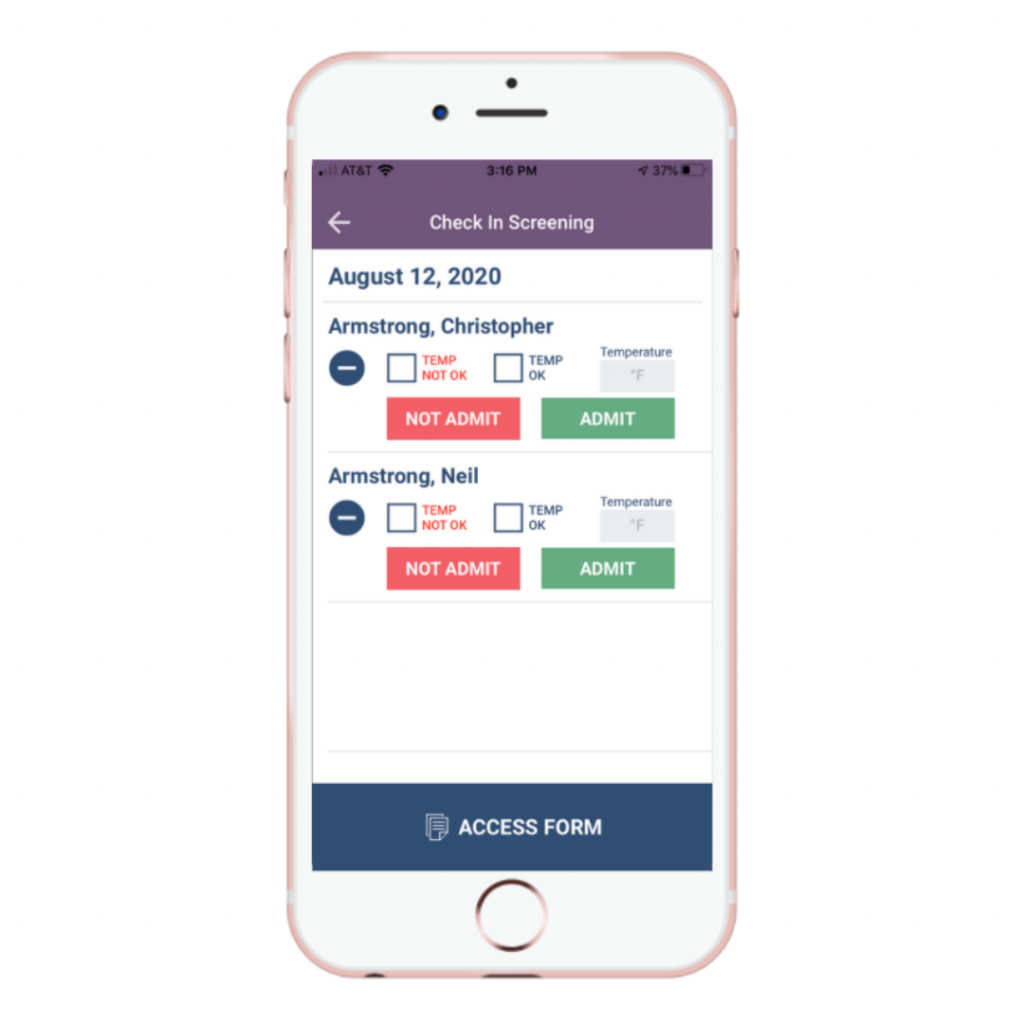
8/27/21 SchoolCues (www.schoolcues.com), a premier school management system specifically catered towards small schools, recently released their COVID screening app to help students go back safely to classes. The beta version of the app was released last year with the emergence of the pandemic, and based on positive feedback by users, the final version of the app is due for release at the end of August. 


The SchoolCues’ COVID screening app allows small schools to effectively screen students in seconds before they enter school buildings. This is a game-changer for those schools that have been struggling with COVID guidelines and COVID compliance. The current practices involve excessive use of paper to manually screen students, which is not only time-consuming but hinders timely COVID compliance.


Ever since the release of the beta version, SchoolCues has documented approximately half a million COVID form submissions, and screened a total of 5000+ students. In the past month especially, SchoolCues has seen an overgrowing demand for schools to be able to use the screening app as soon as possible for the new school year, to ensure that there will not be any disruptions with students’ learning. Schools want to make sure that children can continue to learn inside the classroom, as opposed to their homes, where there may be many distractions.


The development and release of the COVID screening for schools app would not have been possible without the help of Sunvera Software, an Irvine-based software development company, specializing in secure application development, cloud solutions, and custom software development.


“SchoolCues came to us with an interesting idea, and our team’s expertise in building screening apps mixed with our excitement to be able to contribute to this project to make life easier for school administrators allowed for a smooth delivery of the project right in time.” claimed Sanga R., Chief of Customer Success at Sunvera Software. 


The COVID (bring children to school during COVID) app (https://www.schoolcues.com/electronic-covid-19-screening.html) has been released for both iPhone and Android. SchoolCues has plans to work with Sunvera Software to be able to release their upcoming modules including Donations and Fundraising, Alumni Management, and Financial Management modules.


SchoolCues is an all-in-one school management software system catered towards small schools including Montessori, Christian, Waldorf, Lutheran, Charter, and Independent schools. Since 2010, SchoolCues has delivered effective school management solutions including parent engagement and communications to thousands of small schools in the United States and Canada. More information on the company can be found at www.schoolcues.com.


Sunvera Software is a local software development solutions provider headquartered in Irvine, CA. Formed in 2013, Sunvera provides custom software development with security-focused mobile and web app development, cloud migration, database solutions, and more. More information on the company can be found at sunverasoftware.com.

AI in Fitness Apps? 5 Real-Life Examples

AI in fitness appsFitness trackers and apps are a popular tool for fitness buffs, but can AI help the industry to evolve even more? Early research shows that it might. Below are five examples of artificial intelligence (AI) in fitness tracking devices and applications.

 

1.    Using AI to Make Fitness Tracking More Accurate

Smartphone apps that monitor daily activity can be helpful to people who are trying to get in shape. However, many of these popular fitness trackers and apps on the market today sometimes fail to accurately track physical activity.

Researchers at Boston University have developed an artificial intelligence algorithm that uses smartphone data from accelerometers and gyroscopes—devices that measure motion—to accurately map physical activity. The team led by Computer Science Professor James Wang is using the new algorithm to create a smartphone app called BU-Atlas that detects patterns in how we move and uses those movements as indicators of our activities throughout the day. “We would like to be able to use these data to understand how people are moving, in order to tell them, for example, that they should avoid traveling in certain ways or walking down particular streets,” says Wang. The BU-Atlas app contains an algorithm that can be used to monitor a person’s physical activity and how their movements change throughout the day.

“We don’t think it will totally replace fitness trackers,” says James Siminoff, a member of Wang’s BU team. “But we do believe it can provide valuable information to give people better insights about their health.”


2.    Using AI to Gain Personal Insights into Health and Risk for Disease 

While many fitness trackers and apps use sensors to accurately monitor physical activity in the user, some researchers are using artificial intelligence technology to gain more personal insights into the person’s health and risk for diseases.

Specifically, a team of scientists from New York University (NYU) recently developed new machine learning algorithms that enables computers to interpret large volumes of medical data to predict cardiovascular risk. The scientists used data from more than 700,000 patients who were treated for cardiovascular disease (CVD), along with electronic health records from a national database of hospitalization records.

In addition, the researchers created artificial intelligence models that can detect and interpret patterns in patient medical history and hospitalization data to accurately predict CVD risk. “It’s exciting because our models show that artificial intelligence can be used to understand so much about a person from their electronic health record, even when it’s not related to the reason why they were hospitalized,” says Cardiologist and NYU School of Medicine Associate Professor Dr. Matei Zatreanu, who led the research team along with NYU School of Engineering Professor Dr. Yann LeCun.


3.    Using AI to Develop Personalized Workout Plans

Fitness guru Jillian Michaels recently worked with Alphabet’s health-tech subsidiary Verily to develop a new app called “Fit”. Built off of the deep learning tech developed by Google, Fit uses AI and machine learning to analyze data from wearable devices such as smartphones and smartwatches, in order to recommend personalized workout plans. The app is able to track physical activity, monitor heart rate, and map exercise routines. Fit will also track the user’s diet by using images of meals taken with their smartphone to identify ingredients. The app then provides personalized suggestions on healthy meal alternatives that can aid weight loss efforts.


4.    Using AI to Create a Virtual Personal Trainer

In April 2021, Qualcomm announced that it is developing a virtual personal trainer based on artificial intelligence. The new AI Coach app will be able to monitor users’ heart rate, speed of movement, and other physical attributes while they are working out. This data is analyzed using machine learning so that the app can keep track of changes in the user’s fitness levels over time and offer suggestions for how to make improvements.


5.    Using AI to Monitor Disease Symptoms

Researchers at the University of Maryland recently announced a new smartphone app that uses machine learning and deep-learning algorithms in order to measure symptoms related to Parkinson’s disease and predict the onset of seizures. The app uses an algorithm to monitor such data as heart rate, movement, and voice recordings to track the effectiveness of treatment for Parkinson’s disease. This new research proves that AI has a place in our everyday fitness apps and can be used to great effect in helping users improve their health.

Since these applications rely on data collected from wearable devices, it is important for consumers to be aware of how their data is being used and how it might be shared with third parties. For example, users of Microsoft’s DDx app need to grant the company permission to access their data from any wearable devices they are using. These apps also typically require medical records information on the user, so it is important to understand the privacy policies of these types of services before agreeing to use them.

These are just a few of the many examples of how AI is being used to develop new apps and products that can improve our lives as they make use of health and fitness data collected from wearable devices. Although it may seem unusual for AI to be used in this space, these technologies have rapidly evolved over recent years and now allow us to track our fitness stats and improve our health in a completely new way.

The potential for AI to transform healthcare is enormous so much so that it has captured the imagination of many people including Bill Gates, Mark Zuckerberg, Elon Musk, Steve Wozniak and many more. While there are skeptics out there who believe that AI won’t be able to solve health issues, there are others who are eagerly expecting the technology to completely change healthcare as we know it.


Sunvera Software develops next-level software applications from start-to-finish. We are a premier software and mobile app development agency specializing in healthcare mobile app development, custom mobile app development company, telehealth software, sales dashboards, custom mobile app development services, retail software development, supply-chain software, ecommerce, shopify, web design, iBeacon apps, security solutions and unified access software.

We are proud partners with Amazon AWS, Microsoft Azure and Google Cloud.

Schedule a free 30-minute call with us to discuss your business, or you can give us a call at (949) 284-6300.

App Monetization: Models and Strategies

app monetizationOnce you have your app developed and ready to launch, the question of how to make money from it becomes a priority. The two main models are: free apps with in-app purchases or paid apps. In this article we will explore both options along with other monetization strategies which can be implemented to complement them.

 

Free Apps With In-App Purchases

This is the most used model by far. It consists of offering your app for free, but giving users extra content or premium features if they pay for them. Research by EEDAR shows that 77% of consumers are comfortable paying for upgrades within an app (such as extra levels, lives, hints or coins).

There are many ways to implement in-app purchases.  For paid apps, you can offer a free trial version with the full content locked and an in-app purchase to unlock it. Another option is to allow users just to buy individual levels instead of having to make the purchase for the entire app (e.g., in strategy games).

In the case of free apps, you can offer a range of different items for purchase such as coins, lives or hints through which users can progress in the game. You could also use advertising to monetize your app, but this is not recommended if you want to keep your user base.


Paid Apps

Apps that require payment from the start might seem like a risky move, but with more than 350,000 apps on iOS and 300,000 on Google Play, it is actually one of the best ways to improve your app’s discoverability. As with any other business model, there are many factors to consider when choosing between paid or free apps:


Revenue Possibilities

A free app will typically generate less revenue than a paid one, but there are may other ways to increase revenue such as in-app purchases or advertising. In the case of paid apps, you have to take into account that users who download your app might not be prepared to pay for it, so you need to offer a free trial or a price that is as low as possible.


Frequency of Purchases

Paid apps should be paid for once, but with in-app purchases and other options the frequency can be higher (e.g., users might pay for coins, lives, hints etc.). Therefore it is important to consider how often users are willing to make an in-app purchase.


Target Audience

Depending on if your app is free or paid, the demographics of users will be different. For example, a game with in-app purchases should aim for younger audiences who are more willing to make in-app purchases than older ones. However, in the case of paid apps, it is important that you target a specific audience who has a high likelihood of paying for your app.


Portability

With paid apps, you have the option of releasing the same app on different platforms and charging a single price for it. This not only makes your monetization strategy more efficient because all users will pay the same amount for an app regardless of which platform they use, but also makes marketing easier because you can make announcements about updates and new content on all the different platforms at once.

With free apps, if you update or add new features it can be very difficult to target users of other platforms (e.g., get them to download the latest version when they are already happy with the current one). You could try putting in-app purchase options into older versions, but this will cause some users to complain about having to pay twice and considering that the revenue received by Apple and Google is a percentage of purchases made on their platforms, you are missing out on extra revenue.


Monetization Strategies to Complement Free Apps With In-App Purchases or Paid Apps

Although in-app purchases are the most common way of monetizing an app, there are other options that can be implemented as well.


Subscriptions

Users can pay for access to content or services on a regular basis (e.g., monthly, quarterly or yearly).


Freemium

Users have access to a free basic version of the app and can optionally download or purchase paid content (e.g., extra levels, coins, etc.).


Ads

Using advertising as a monetization strategy can be effective but it is important to consider the user experience. You should implement banner ads that don’t distract from the app and only appear in non-crucial parts of the user interface.


Loyalty Programs

Loyalty programs are a strategy that many big companies use to increase customer retention (e.g., Starbucks or Amazon). In the case of apps, there are two options: Reward users with points for doing something they normally do (e.g., game app where users get points for playing). Allow users to earn virtual currency through tasks that take time (e.g., Foursquare or Swarm).


Integrating New Monetization Strategies Into Your Existing Apps

If you have an app already live and generating revenue, it is important to consider the logistics of adding a new monetization strategy. Since different strategies require different methods of implementation, it is important to do this at the right time.

If you are planning an update for your app, then you should add new monetization opportunities in that version. If adding a new strategy or changing the existing strategy requires extra resources (e.g., redesigning elements of the user interface to be more suitable for ads), then you should do this based on the priority of both updates.

A free app can be a good strategy in some cases, but it is important to keep in mind that free apps with frequent advertisements or in-app purchases are not the best choice for monetization. For example, an advertisement every few minutes can distract users from the app or they might get annoyed and stop using it after a while. However, if an app is basically free to use (e.g., reading articles in a news app), then there is no harm in using this strategy.


Sunvera Software develops next-level software applications from start-to-finish. We are a premier software and mobile app development agency specializing in healthcare mobile app development, custom mobile app development company, telehealth software, sales dashboards, custom mobile app development services, retail software development, supply-chain software, ecommerce, shopify, web design, iBeacon apps, security solutions and unified access software.

We are proud partners with Amazon AWS, Microsoft Azure and Google Cloud.

Schedule a free 30-minute call with us to discuss your business, or you can give us a call at (949) 284-6300.

ECommerce Strategy – Conversion And Optimization

eCommerceJust as in a typical brick-and-mortar store, customers who visit your online retail store can leave without making any purchase. However, the average eCommerce conversion rate is significantly low compared to that of traditional retail stores. This is because many ecommerce strategies focus solely on optimizing for conversions and forget about customer experience optimization. It is a common mistake to think that customers will come back time and time again just because you make it easy for them to purchase products.

 

Average eCommerce Conversion Rate

According to a Forrester Research study, the average eCommerce conversion rate is just 2-4% while brick and mortar stores have an average of 5-12%. What’s worse is that ecommerce companies tend to lose customers along their buying journey. It has been reported that on average 33% of users abandon carts before making purchases online!


eCommerce Conversion Funnel

Let’s take a look at the eCommerce conversion funnel and see where exactly the most common mistakes are made by companies in this business. The customer journey begins with the main page of your website, which is your product landing page or category landing page (if you have a lot of products or categories). Then, your prospect moves to their shopping cart page (with a 40% chance), followed by the checkout and payment confirmation pages. Sometimes the exit point between the shopping basket page and the checkout is an abandoned basket – after you have added products to it, but before checking out.


ECommerce Strategies for Improving Your Conversion Rate

Here are the main strategies for improving your eCommerce conversion rate and optimizing it with a focus on customer experience.


1. Communication with Customers

When visitors land on your website, you should be able to provide them with relevant content that will help them make a decision regarding their purchase. Give them all the necessary information right away to avoid further contact (and possible losses), and provide social proof, which can persuade customers to become buyers. An eCommerce strategy that includes communication with customers is very important for your business, because it can significantly increase your sales.


2. Offer Free Shipping

Fewer people will buy from an online retailer who does not offer free shipping. If you charge a delivery fee, your prospects may opt to purchase from a competitor instead. For example, Amazon offers free shipping on all its products and that is one of the main reasons why millions of customers shop there. When it comes to eCommerce conversion rates, offering free shipping is as important as having a quality product line.


3. Review Your Product Images

Product images are very important for your online store because they influence customer decision-making. If your product images are not clear and do not show the item to be sold in detail, additional questions may arise that will cause visitors to leave your website. Consequently, if you fail to answer these questions, your conversion rate will take a hit.


4. Understand Your Customers

It is essential for online retailers to take some time to understand their customers and find out what exactly they want. This knowledge is crucial for creating a perfect eCommerce strategy that will allow you to reach your target audience. If you keep asking yourself “who wants what” when it comes to eCommerce conversion rates, then you are doing the right thing.


5. Use a Helping Hand

Outsourcing is not something you hear about very often in eCommerce, but there are some interesting solutions that can come in handy. For instance, if you strictly follow an SEO eCommerce strategy to increase traffic and sales on your website, this may become too much for one person to handle. With the help of SEO, you can significantly increase your conversion rate and sales.


6. Don’t Forget About Security

It is important to emphasize the importance of security when it comes to eommerce conversion rates. You should make sure that all payment information – card details in particular – are encrypted and cannot be accessed by third parties without permission from the customer.


7. Send an Email When the Customer Makes a Purchase

Sometimes you simply forget to send an order confirmation email or coupon information, which can decrease your eCommerce conversion rate significantly. It is very important for customers to know that their orders are in progress and what to expect after they pay for them. This will make customers feel more secure and increase the number of orders on your website.


8. Don’t Overdo it With the Discounts

It is tempting to use deep discounts to attract as many customers as possible, but keep in mind that price is not always the key factor for eCommerce conversion rates. You should also consider other important aspects, such as the design and usability of your website.


Sunvera Software develops next-level software applications from start-to-finish. We are a premier software and mobile app development agency specializing in healthcare mobile app development, custom mobile app development company, telehealth software, sales dashboards, custom mobile app development services, retail software development, supply-chain software, ecommerce, shopify, web design, iBeacon apps, security solutions and unified access software.

We are proud partners with Amazon AWS, Microsoft Azure and Google Cloud.

Schedule a free 30-minute call with us to discuss your business, or you can give us a call at (949) 284-6300.

Using Data Analytics for a Post-Pandemic World

data analyticsThe pandemic has caused many businesses to shut down and millions of employees are too afraid to even leave their homes. On the other hand, some businesses have been able to adapt and remain running throughout the pandemic without losing any profits or productivity. How did they do it?

The answer is predictive analytics – the analysis of past data to make meaningful predictions about future events. While there is no way to predict whether or not you will be affected by the pandemic, predictive analytics can help you prepare for it.  It helps companies optimize their business operations to achieve maximum profit and productivity with minimum cos t.


How Companies Are Using Big Data Analytics in Post Pandemic Times

Even before the pandemic hit, predictive analytics was already being used by companies to optimize their business operations. Many call this predictive data analytics or predictive big data analysis.  Some ways predictive analytics helps businesses run more smoothly in post pandemic times are:


Key Performance Indicators

Uses predictive data analytics to identify trends that negatively affect a company’s operations. It provides predictive measures of company performance that help companies plan for the future and decrease the likelihood of losing profits or productivity.


Data Mining

Also know as predictive data analysis, data mining is a predictive analytic tool that analyzes large amounts of data to find hidden patterns and correlations that help improve business processes in order to achieve maximum efficiency and savings with minimum cost.


Data Visualization

Predictive analytics is able to ‘see’ patterns in data that humans cannot see or humans would have difficulty interpreting, which allows predictive analytic tools to communicate complex information that humans can understand and use. This helps people make better business decisions faster because they get presented with information in a way that is meaningful to them.


Data Analytics

Predictive big data analysis uses analytic tools to analyze large volumes of data and predict future events or trends. Companies use predictive analytics in order to gain insight into their operations and make more informed business decisions. It helps improve efficiency, quality control, customer service, sales etc.


Data Analytics to the Rescue: Real-Life Example

In order to better prepare for and deal with the pandemic, predictive analytics has been used by companies in real-life situations.

As mentioned earlier, predictive analytics is already being used by businesses in their everyday operations. One example is IBM’s Smarter Planet campaign – predictive data analytics helped IBM predict new product innovations so that they could market them to their customers sooner.

IBM now predicts whether certain chemicals will turn into new and useful compounds. They are also able to predict the quality of their products in real time. This predictive data analysis helps companies save money and run more efficiently.

One of IBM’s projects is called Hockey Analytics, which uses predictive analytics to help NHL teams make better decisions by using predictive analytics to build predictive models from data mined from past games. It made the Toronto Maple Leafs one of the most successful teams for several years.

As you can see, predictive big data analysis is already being used by businesses across a wide range of industries and it has helped them achieve operational excellence in numerous ways while helping companies prepare for the post-pandemic world.

Predictive data analytics helps businesses remain running in post pandemic times by helping them make better decisions faster, using predictive analytic tools. These tools can analyze large amounts of data and predict future trends or events. Using machine learning and predictive analytics, businesses can optimize their business operations to achieve maximum profitability and productivity with minimum cost.

Analytics is now a key component in organizations’ strategic decision-making process as it allows companies to make better decisions faster that improve operational efficiency and bottom line performance. It helps them prepare for challenges such as the current pandemic or other unexpected events, and makes them less susceptible to the chaos that comes with such events.


Sunvera Software develops next-level software applications from start-to-finish. We are a premier software and mobile app development agency specializing in healthcare mobile app development, custom mobile app development company, telehealth software, sales dashboards, custom mobile app development services, retail software development, supply-chain software, ecommerce, shopify, web design, iBeacon apps, security solutions and unified access software.

We are proud partners with Amazon AWS, Microsoft Azure and Google Cloud.

Schedule a free 30-minute call with us to discuss your business, or you can give us a call at (949) 284-6300.

Podcasts Platform Development Guide

podcastsGiven the growth of podcasting platforms and applications, it is clear that more developers are making this kind of content accessible for listeners. This in turn means there needs to be a guide for those looking to participate in this growing industry. To help jump-start podcast development, this guide will introduce the necessary tools and services.



Rise in Podcast Listeners Throughout the Years

The number of listeners is growing as their devices advance. According to a 2014 report by Edison, the average American listens to about six hours of audio every day. The large majority of that content being streamed through smartphones or tablets. So how do they access this content? Podcasts are one answer to this question.

This growth in podcast listeners can be seen in the daily active users (DAU) of podcasting apps. According to App Annie’s data, Pocket Casts peaked at about 3,000 DAU while Overcast showed over 6,500 DAU. With those numbers and time spent listening on the rise, it is a good time to get into this market if you are interested.


Understanding Podcast Apps

Podcast apps can be split into two categories: media players and aggregators. Media players are dedicated podcast applications that allow listeners to access everything they need in just one app. Aggregator apps on the other hand collect content from syndicated sources, such as local radio programs or certain podcasts, and organize them for easy access.

The first group is made up of established podcast applications: Pocket Casts, Overcast, and Downcast are the biggest players in the game. These platforms are great for highly involved listeners. They give users a good experience whether they want to search through new content or browse what’s popular at any given moment.

As opposed to these players, aggregator apps are a good way for aspiring developers to jump in the game. These platforms are very simple and do not need much maintenance since most functionality comes from podcast syndication technologies such as RSS and Atom feeds which are updated automatically by content creators. Libsyn is one example of this kind of app that has been around since 2005.

The good news is that releasing a podcast app does not require much time or money. Libsyn, for example, requires $5 per month for the service and offers free accounts. It also supports the Apple Podcasts directory which has helped it grow to over 1 million active users . The only thing you need in order to run a podcast platform is a domain name, a hosting service, and some basic knowledge of HTML and PHP.


Developing a Podcast Platform: Steps Involved

The process of creating a podcast platform is a straight-forward one and involves all the steps you need to take if you want to get into this field. Let’s go over each one individually:


Step 1: Choosing the Technology and Services

A podcast platform can be built using a variety of technologies. There are open source options like WordPress and Drupal, both popular for creating blogs, as well as many others. If you want to invest time or money in your project, you could also go with a fully-fledged framework such as Laravel. This full-stack PHP framework is capable of supporting the development of large-scale applications (if you are interested in it, be sure to check out some other Laravel tutorials on SitePoint). Additionally, if you are looking for a hosting service that can support your needs, consider using services such as MediaTemple which will get you up and running with a LAMP stack in no time.

Additionally, you can also leverage existing podcast applications and their RSS feeds to pull content into your own platform. For example, Pocket Casts and Overcast have public feeds that include all of the podcast episodes for users who want to access them outside of the app itself.

As for services, you can use a podcast service platform to manage your content, such as SpeakPipe and IVONA. They give you the option of recording audio that is then transcribed into text. From there, you can push out an episode automatically and post it on your website or even social media channels.


Step 2: Designing Your Podcast Platform

Once you have the basics covered, you can get to work on creating your podcast website. Since you are not building anything from scratch, all of your content will come from different sources which means that you need to structure it in a way that makes it easy for listeners to navigate. You can use frameworks like Bootstrap or Foundation to do this quickly and easily. In this regard, you will need to know how to use HTML and CSS as these are the languages that give your website its layout and style.

As for the structure of your podcast platform, you can follow others that have done this before you or create something new. To help with organizing content, we recommend using tags and categories that are either manually created by you or generated automatically depending on the keywords present in podcast episode descriptions.

As for SEO, you need to make sure that your podcast website appears in an online directory where users looking for this content can find it easily. We recommend submitting your site to Apple Podcasts which is free and will bring you plenty of listeners .


Step 3: Advertising and Monetizing Your Podcast Platform

Once your podcast platform has been created, it is time to attract users. Getting them to subscribe can be as easy as sharing your episodes on social media or through another podcast player. After all, the more subscribers you have, the more exposure you will get which means that more people are likely to want to listen. However, in order to monetize your listenership, you will need podcast sponsors that can promote their product or service in exchange for a fee. In this regard, we recommend Podcast Websites which offers a directory of podcasts and the ability to create an ad-free version of your website for $10 per month.

Sponsorships can come from a variety of sources such as hosting providers, companies that create podcast plugins, and even other podcast hosts.


Step 4: Keeping Your Podcast Platform Updated

Once your podcast platform is online, you need to make sure that it stays updated. This involves recording new episodes and publishing them on your website. It also means keeping your RSS feed up-to-date (which is the way most podcast applications access their content). To keep things simple, we recommend using a service such as FeedBurner which gives you the option of updating and publishing your podcast episodes automatically.

We also recommend using a service like Buzzsprout to grow your audience since it has the ability to do things like share your podcast on social media for you. In this regard, make sure that you have plenty of audio files ready before publishing as well as a title that will catch listeners’ attention.


Unmissable Features of a Podcast Platform

  • You need to be able to create an account which allows you to subscribe, rate and review shows easily.
  • Which means that your podcast platform should allow users to stream episodes from the website itself as well as subscribe via RSS feed.
  • Your platform should also have a rating and review system so that podcast creators can improve their show based on user feedback.
  • There should be the option to sort shows by popularity, newness or alphabetically. This will make it easier for users to find content that interests them.
  • Your podcast platform needs a directory of podcasts and blog entries which includes direct links to show notes (most podcast applications automatically display these).  Another important feature is an option for users to contact podcast creators directly.
  • If the platform is able to identify a user’s location, then it should be possible for users to access content from their local area such as interviews with people in a certain neighborhood or city.
  • Another feature that would be useful for this purpose is moderators who can approve or reject new content before it goes live.
  • If your podcast platform allows users to create their own show, then it needs the ability for other people to subscribe to these shows through RSS feeds.
  • It would also be useful if users could make their podcast private or public depending on their preferences.
  • A big plus is an option which allows users to share content easily on social media so that they can attract more listeners.  For example, if a podcast has an episode about pizza, then the platform should be able to alert users who like this food on Facebook and Twitter.
  • Because podcast creators need to know what kind of content their audience would like them to create in the future, the easiest way to do this would be for podcast platform to ask users what type of topics they are interested in so that they can filter shows based on these preferences.


By taking into consideration the points mentioned above, you will be able to make a platform for podcasts that is popular among users. The biggest reason behind this is because your podcasts platform has been designed with them in mind, which means they will feel more welcome and enjoy using it.


Sunvera Software develops next-level software applications from start-to-finish. We are a premier software and mobile app development agency specializing in healthcare mobile app development, custom mobile app development company, telehealth software, sales dashboards, custom mobile app development services, retail software development, supply-chain software, ecommerce, shopify, web design, iBeacon apps, security solutions and unified access software.

We are proud partners with Amazon AWS, Microsoft Azure and Google Cloud.

Schedule a free 30-minute call with us to discuss your business, or you can give us a call at (949) 284-6300.

Gamification in Healthcare

gamificationHealthcare is undergoing a silent revolution. Today’s health-tech startups are beginning to disrupt health data collection, prevention, records management, and medical research on an unprecedented scale. One of the less understood drivers behind them is gamification: as these companies build products geared toward solving health problems through gamified apps (apps that include playful health incentives), health data becomes both actionable and trackable in entirely new ways.

Gamification in healthcare is defined as the use of game mechanics (game elements) designed to foster specific health-related behaviors or outcomes such as health data collection, health record management, disease prevention or health promotion. Gamification leverages core psychological principles underlying health behavior and outcomes to transform health data into actionable behavior.

Gamification in health is not new and it has been used for years, but there are a few key things happening now that have brought this to the forefront. First, mobile health apps – or mHealth apps – for health management are becoming more prevalent than ever before; gamification is a natural fit for health apps because health-related apps are tailor made to encourage health data collection, health monitoring and health management. Second, health data itself is becoming more actionable. As mobile devices allow us to gather health data in real time, gamification gives health startups the ability to turn this raw information into actionable health behavior.


Why Gamify Health Apps?

Gamification is a proven motivator. It has been used most successfully in health & wellness to drive health data collection and outcomes such as health planning, record management and health promotion. The key motivation behind an gamified health app is the alignment of incentives between both the user and the company providing the health app.


Key Components of Gamified Health Apps

Gamification health incentives can be implemented in health apps by including the following health incentives: health data collection, health tracking, health record management and health planning. Gamified health apps are most effective when they include all four layers of gamification health incentives. However, some healthcare companies choose not to use all four layers but instead focus on health data collection and health promotions.


Health Data Collection

Health data collection is the most basic health incentive used in health apps. The gamified health app will have a goal or purpose that is directly connected to health behavior that must be uploaded to a health tracking tool such as Apple Healthkit, Google Fit or Samsung S Health. There are several ways that gamification can be used to promote health data collection: tracking, competitions & leader boards, achievements, badges and health check-ups.


Health Tracking

Tracking health is the most important step in health management as it provides a health record that helps to identify health patterns, risks and status changes. When gamification is used for health tracking, users learn how their actions affect overall health which leads to improved health outcomes. Furthermore, gamification incentives for health tracking lead to health data collection and record management.


Health Record Management

Health records are the second most important element in health management because they allow users to track health behavior changes over time. When gamification is used as an incentive for health record management, it encourages a culture of healthy behaviors by providing user-specific health records that are easy to access.


Health Planning

Health planning is geared towards health promotion; gamification incentives for health planning help users create plans and goals that they can actually achieve.

Youth health can be a challenging topic to address, but it is especially important given the health risks associated with youth, with issues such as obesity, substance abuse and suicide.

Gamification in health can be used to address challenges early on and make behavior changes that will last a lifetime. Successful health gamification solutions start with understanding health decision-making processes, health behaviors and health interventions at different ages, because how people engage with gamification is influenced by their age groups. Furthermore, gamification can be tailored for effective health outcomes by leveraging what we know about health decision-making.


How Do Health Decisions Differ From Other Decisions?

Research shows that health decisions differ from other types of decisions because they tend to be high stakes, with a long-term health impact and involve cognitive processing. Health behaviors such as physical activities, health-related lifestyle changes and maintenance are influenced by health attitudes, beliefs and habits. There is a cost to engaging in health behaviors so every decision has both the potential benefit from behavior change and the costs that come with engaging in the behavior itself.


Health Decision Making Processes by Age Group

Health decisions tend to differ across health lifecycle stages. Health decision making processes can be categorized into health promotion planning, health self-management and health monitoring/health maintenance.

Gamification health incentives are most effective when the motivation aligns with an individual’s health decision-making process.


Future of Gamification in Healthcare

Developers in health gamification have the opportunity to continue innovating health technology. As health gamification becomes widespread, health-related apps are becoming more accessible and health check-ups are becoming more common. The future of health gamification will be influenced by behavior research and trends in health technology.


Sunvera Software develops next-level software applications from start-to-finish. We are a premier software and mobile app development agency specializing in healthcare mobile app development, custom mobile app development company, telehealth software, sales dashboards, custom mobile app development services, retail software development, supply-chain software, ecommerce, shopify, web design, iBeacon apps, security solutions and unified access software.

We are proud partners with Amazon AWS, Microsoft Azure and Google Cloud.

Schedule a free 30-minute call with us to discuss your business, or you can give us a call at (949) 284-6300.

Ready to discuss your project? Contact Us