
Trendiest News in Tech

Benefits of a Data Warehouse

data warehouseIn the internet era, data is more valuable than anything else. It can help you answer your questions about customers, product features and prices, business activities that will give you benefits when used carefully. Data in database systems are usually under strict regulations of many organizations so it cannot be changed or deleted without checking with the IT department which causes risk in analysis due to lack of accurate data. Though, in the era where there is more data than ever, especially from the internet and social networking sites that are now created by most people and companies, there is a new technology called “Data Warehouse” that collect all these information or “data”. It helps to gain benefits when using them carefully. Here are some benefits of a data warehouse.


1) A Data Warehouse Allows an Organization To Store the Full History of Their Data and Can Be Used After Months or Years for Needed Analysis, Which Provides an Ability To Create Detailed Work.

Storage capacity is unlimited in a data warehouse, so if the company increases its data in many years, it can be saved without any worry of deleting or changing them. A data warehouse is easily accessible from anywhere in the world.


2) It Helps To Find Patterns and Knowledge

Data warehouses provide benefits in finding relations between products, customers or industries through analyzing the data. Pattern and knowledge can be found easily with using tools to help reveal hidden patterns among the data. Management benefits from this pattern and knowledge as they know how customers are using their product, what kind of industry to invest in, when to raise or lower prices and many more benefits in the market.


3) It Benefits an Organization To Use Different Analytics Techniques (Such As Segmentation).

For example, company B wants to know the benefits in changing prices of their products, while companies A and C want to compare benefits of their product features. So they can use a data warehouse that contain all previous information for years and benefit from different analysis techniques.


4) It Helps Business Owners by Providing Historical Data With Descriptive and Predictive Metrics Which Leads to Benefits on the Key Metrics.

A data warehouse benefits businesses by providing historical data with descriptive and predictive metrics that they can use for decision making, planning, controlling, or forecasting their target.


5) Data Warehousing Provides Relevant Information Accurately and Quickly Which Will Help Them in Reaching Their Goal or Purpose Better.

It benefits to reach their goal by providing relevant information accurately and quickly on selected metrics. More benefits are gained from using a data warehouse because benefits of changing or deleting data in database systems will be reduced.


6) A Data Warehouse Aids Future Decisions When Collected Data Is Used for Historic Trend Analysis Which Helps Companies To Reduce Risk in Planning.

Helps with future decision-making when stored data benefits in historic trend analysis. It benefits to reduce risks and uncertainty in planning by using collected data over a long period of time.


7) It Benefits Companies To Save Money

Benefits are gained when companies use data warehousing carefully. A data warehouse allows an organization to save money by reducing costs in the IT department for maintaining data in database systems and allows companies to use less space and server resources.


8) Allows Organizations To Utilize Their Time Effectively

Time is saved when storing data in a data warehouse, as data is already in one place and can be accessed from anywhere.


Final Thoughts

Although a data warehouse has many advantages, it can be difficult to implement. The advantages of a data warehouse include less time and effort for accessing information from multiple sources and lowers the risk of losing relevant information. However, it takes time to build the warehouse, and must be cleaned before useful data can be added. It is up to the company to decide whether it is wise for them to implement a data warehouse system, or to continue operating in the same way.


Sunvera Software develops next-level software applications from start-to-finish. We are a premier software and mobile app development agency specializing in healthcare mobile app development, custom mobile app development company, telehealth software, sales dashboards, custom mobile app development services, retail software development, supply-chain software, ecommerce, shopify, web design, iBeacon apps, security solutions and unified access software.

We are proud partners with Amazon AWS, Microsoft Azure and Google Cloud.

Schedule a free 30-minute call with us to discuss your business, or you can give us a call at (949) 284-6300.

Mobile App Gamification

Mobile app gamificationMobile gamification is a process by which game-like elements keep users engaged with mobile apps to increase revenues from the app. Applications that gamify their mobile products can retain and engage users into returning to the product by providing virtual rewards upon achieving specific criteria, such as playing games and installing other applications. Gamified mobile apps seek to create a seamless experience for users across all platforms, making them feel like they are playing without realizing it.

 

How Gamification Works in a Mobile Environment

Gamification in mobile apps is when gaming elements are implemented in an application. These elements include using gamified user interfaces such as leaderboards, badges, points, and challenges. These gamification elements can be seen in social media platforms like Facebook and Instagram, where users earn awards for posting pictures or achieving specific goals. The gamified user interface provides an opportunity for users to gain trophies or virtual rewards by completing tasks that they would typically perform on their own with the aid of additional gamified incentives. By “gamifying” mobile applications, companies can increase gamification retention rates and engagement.


Benefits of Gamification in Mobile Apps

Adding a gamified touch in mobile apps helps to increase engagement, retention, and revenue. By gamifying mobile applications, developers can create a user interface that encourages repeated use of the app. The gamified user interface builds a sense of community for users by encouraging collaboration and competition. Gamifying mobile applications also gives consumers something that they enjoy doing while engaging directly with brands or companies within an application, such as watching videos or posting pictures from events to social media platforms like Snapchat. Mobile gamification increases retention rates by making it easy for users to become better at the game through practice and repetition, motivating them to continue playing and become better and achieve high scores.


How Your App Should Use Gamification Elements

App developers should use the gamification elements in an application that is easy for users to understand. Minimal text should be used so that it does not distract from the gamified interface or create a barrier between the user interface and users engaging with the elements of the app. The gamification elements should also give rewards immediately upon completion, increasing retention rates by providing instant gratification rather than waiting for a specific time before receiving virtual rewards or prizes. Sliding bars show users’ progress towards goals, like acquiring in-game currency like coins, unlocking achievements, and leveling up quickly. At the same time, spinner wheels can be used to gamify the process of earning gift cards, mobile coupons, and cash prizes.


Examples of Gamification in Mobile Apps

Gamification in mobile apps can be seen in leaderboards, such as when users log into their Facebook app. Leaderboards show who has the most friends on the platform or who is ranked highest on certain games within the application. There are also badges that users can receive for achieving specific goals like reaching a certain level or purchasing a product. Gamification in mobile apps can also be seen with challenges: gamified missions for users to complete. These gamified missions allow users to engage and compete against one another by completing tasks like boosting their social media profile pictures or sharing coupons a specific amount of times across different networks such as Facebook and Snapchat. These gamified missions motivate users to work together to complete tasks to receive rewards in the form of points, trophies, or virtual currency such as coins or gems.

Facebook also uses gamification techniques when shopping with apps like Wishbone and Wanelo. These mobile apps allow users to win gift cards from retailers by competing against other users to reach specific points to unlock rewards.

Gamification is also seen within mobile apps for increased retention rates and content engagement to increase click-through rates with social media posts and email marketing campaigns.


Conclusion

Gamification is a powerful tool that brands can use to change user behavior by gamifying the mobile application and rewarding users. With the gamification of mobile applications, interfaces aid in retention rates by increasing engagement with users as they carry out tasks within the gamified environment. Consumers are more likely to return to an app with gamified environments because they do not feel like they are doing work or realize that they are playing a game. Mobile gamification encourages users to continue using applications without realizing it by creating long-term engagement opportunities to gain virtual awards for repeated use of an application.


Sunvera Software develops next-level software applications from start-to-finish. We are a premier software and mobile app development agency specializing in healthcare mobile app development, custom mobile app development company, telehealth software, sales dashboards, custom mobile app development services, retail software development, supply-chain software, ecommerce, shopify, web design, iBeacon apps, security solutions and unified access software.

We are proud partners with Amazon AWS, Microsoft Azure and Google Cloud.

Schedule a free 30-minute call with us to discuss your business, or you can give us a call at (949) 284-6300.

How To Create a Language Learning App

language learning appLearning a language is considered one of the most significant tasks that anyone would like to accomplish. Language learning apps have been becoming increasingly popular as more and more people want to take on the challenge of understanding and speaking in a different tongue, whether it is for travel purposes or learning just for the sake of satisfaction. Language apps are designed for users to learn languages almost anywhere with their mobile device with no language skills required. A language learning app will provide users with exposure, access, and immersion to languages through various media materials available.



Cost Estimation

Developers can create a language learning app by using existing technologies such as metasearch engines, natural language processing tools, and APIs, which can be downloaded online or developed with the help of other developers alike at a very low cost. But this doesn’t mean that it will not cost anything to build a language learning app. You have to spend money paying for a team of developers and language experts, purchasing language acquisition databases (corpora), creating a language app development kit, etc. The process of developing a language learning app is the same for all technology platforms, whether it’s Android, iOS, or Windows-based operating systems. Still, suppose you are looking at the cost involved. In that case, it will vary because different companies have different pricing structures but, most importantly, look for experienced language learning app developers.


Source Code That Developers Should Use Within Their Language Learning App

Code can be created with Java or Python using frameworks like Android, Kitkat, and Windows 8; languages such as HTML5, CSS3, JavaScript language, AngularJS framework by Google Inc., BackboneJS framework by Microsoft Inc., among others. When it comes to a database language, SQLite is the ideal language. You can create your own data tables and store all information related to user profiles, i.e., username/password, preferences (language & courses) on their mobile devices.


Revenue Generation Strategies

A language learning app can generate revenue by charging language learners a certain amount of money for learning a language through SMS or email messages, i.e., paid membership programs or by placing ads within the language learning app (to serve as the source of funding). Language learning apps can be designed in a way such that language learners are not bothered by the ads.


The Development Process of Creating a Language Learning App

The process of creating a language learning app involves the following five steps: Assessment, Analysis, Design, Development, and Testing.


Assessment

You will have to survey the nature and user types (demographic group of people) that can be targeted by your language learning app, which is a vital tool to provide a practical approach towards increasing its revenue generation capabilities. There are five major user groups, including children (young & old), teenagers, working adults, senior citizens, and disabled people. Still, conducting primary research will help you determine the exact demographic group of users you wish to target for a particular market segment such as school students only, etc.


Analysis

The development company will have to collect language learning data and other linguistic information. This information includes language students, both local & overseas, self-taught language learners, and language teachers. These people will help determine certain aspects such as types of languages teachers can teach to users on language learning apps, size of market segment target markets like Asia or Europe, etc.


Design

The language learning app will need to create a design guideline based on the results gathered during previous assessment and analysis steps in the design phase. It should include an easy layout for students with a user-friendly interface for teachers of various languages. The format is a vital part of creating a language learning app because if you fail at this stage, no one will ever download your language learning app.


Development

Once the language learning app design has been created, the development company will have to start developing language learning software by creating programming codes and testing each aspect of the language learning app.


Testing

In the last stage, i.e., testing phase, app developers need to test language aspects such as correct usage regarding grammar & spelling, consistency in audio and text messages sent or received by users on language apps, etc.

Ultimately, a language learning app can be created by any developer at home but always remember three major factors when creating apps:

  1. The ability to develop a practical alphabet and grammar structure of an app will have to build content and make it available for users on their mobile devices (either Android or iOS-based) to learn languages through text messaging.
  2. The strategy behind developing a language learning app should include choosing the correct target market segment that will use this app.
  3. You must have a sufficient budget to create such an app because its development cost will vary depending on aspects like technology platform (whether it’s language app development for Android or language app development for iOS).

Innovation is the key feature of a language learning app; it cannot be copied from other language apps, so create your language app using this simple approach and launch it to thousands of language learners across the globe.

After a development company has developed a language app, the developers have to undergo quality testing to ensure the language app works in perfect condition without any issues or bugs. Suppose language learning software fails at that stage. In that case, it will be of no use to language learners, so make sure that you choose an experienced language app company capable of developing software with fewer issues and bugs.


Features of a Language Learning App

– Makes language communication more straightforward and convenient with multi-language chat support (in different languages) between users of the same or different language background.

– Includes voice input, i.e., speaking in a chosen language, and text input, i.e., spelling words in the desired language through typing.

– Language learners can create their password-protected account, which provides them with complete data security.

– Includes modules such as language translator, language dictionary, text to speech, and many more features such as translation of words from/to languages, i.e., Google Translate.

Language learning apps are the future for those who are willing to learn a language without moving out of their houses or offices to immerse themselves in a new culture to learn a language. As a result, language learning apps make it possible for them to learn a language anywhere, any time during the day, which provides them with complete access without finding someone who speaks another language. Language learning apps will allow learners to break down language barriers and avoid language struggles.


Sunvera Software develops next-level software applications from start-to-finish. We are a premier software and mobile app development agency specializing in healthcare mobile app development, custom mobile app development company, telehealth software, sales dashboards, custom mobile app development services, retail software development, supply-chain software, ecommerce, shopify, web design, iBeacon apps, security solutions and unified access software.

We are proud partners with Amazon AWS, Microsoft Azure and Google Cloud.

Schedule a free 30-minute call with us to discuss your business, or you can give us a call at (949) 284-6300.

How To Secure Web Apps From Common Vulnerabilities

web appsThe web has revolutionized how we conduct our personal and professional lives. And web apps, through cloud computing platforms such as Amazon Web Services (AWS), have become the backbone of web development. Small businesses, non-profits, start-ups, and even Fortune 500 companies rely on web apps to offer a range of services that allow them to thrive.

Gartner estimates that developers created 3.3 million web apps in 2016; they estimate approximately 57 new web apps launched every minute [1]. Imagine the number of web apps that need to be maintained, updated, and overseen. The reality is that a lot more cyber attacks target web applications than any other type of application–even mobile ones.

Cybercriminals can hijack web apps through common vulnerabilities that lead to data breaches. Think about it: web developers are happy with their web app as is and don’t find vulnerabilities or patches; meanwhile, cyber attackers are scanning for these vulnerabilities while they look for ways to exploit them. Cybercriminals are constantly finding new bugs and exploits within web applications; as soon as one is fixed, they’re busy looking for the following web app flaw.

The web app security landscape is constantly changing, and web development teams need to keep up with these changes to protect web apps from cyber attacks. This article will provide web developers guidance on web app vulnerabilities, how web apps are compromised by hackers and standard web app vulnerabilities that lead to data breaches. We will also give you tips on securing web applications against cyber-attacks while developing or updating your web application codebase.


Vulnerabilities of Web Apps


Common web app vulnerabilities comprise of the following:


Cross-Site Scripting

This web application vulnerability allows attackers to inject malicious scripts into web pages that web users access. In web apps, cross-site scripting leads to user information disclosure or session hijacking. It poses a severe risk for financial and eCommerce web applications. An attacker can also use this web app attack vector to execute other attacks such as content spoofing and clickjacking–all of which work together to steal an organization’s proprietary data or access unauthorized features without the knowledge of web app users. With the rise in mobile usage, cross-site scripting is now being exploited on mobile applications through mobile web browsers with auto-complete functionality. Cyber attackers use web app vulnerabilities to target web apps through mobile web browsers such as Safari, Chrome, and Firefox.


Cross-Site Request Forgery (CSRF/XSRF)

This web application attack takes advantage of web app users’ web browser sessions to execute malicious actions. A CSRF attack is also known as an XSRF attack on a mobile web application; these web app attacks allow attackers to manipulate web applications through cross-domain requests made without the knowledge or authorization of legitimate website visitors. The impact of this web app vulnerability can cause session hijacking, information theft, and denial of service attacks. Web developers should be aware of how this web application flaw works: for example; an attacker may create malicious code within their web application to trick web users into performing unintended web app actions. In eCommerce web apps, this web attack can enable attackers to make online purchases by executing the payment transaction themselves without the knowledge of web app users.


SQL Injection

This type of web app vulnerability leads to data theft and information disclosure within a database used by an application. Using SQL injection web app attacks allows cybercriminals to access unauthorized information or data from unprotected databases such as Oracle DBMS (open source) or Microsoft SQL Server (closed source). The impact is severe considering that an attacker can even manipulate financial records for their malicious use or sell them on the dark web market. For example, cybercriminals stole $2 billion in credit card numbers through various web app attacks such as web injects and web application vulnerabilities.


Directory Traversal / File Inclusion

This web application flaw allows attackers to access local files or directories through web apps by using an invalid parameter, directory traversing techniques, or a specially crafted URL. Due to this web vulnerability, web users can be exposed to malware distribution, denial of service attacks, and loss of intellectual property data from the organization’s web servers. An attacker’s main objective is to gain unauthorized access into the back-end database server where valuable information is stored; this is done by taking advantage of vulnerable web applications with directory traversal flaws.


Insecure Deserialization

Cybercriminals are moving away from exploiting common web application vulnerabilities, like SQL injection. These web app attacks are no longer effective. Web developers can now secure web apps from these web vulnerabilities by implementing SSL encryption while ensuring web app code is always up to date. Insecure deserialization web application flaws allow attackers to manipulate serialized objects to gain unauthorized access into web applications such as Oracle Java, Rails, etc. Deserializing an object involves reconstructing the state of an object or class after it has been converted into a byte stream; this process creates an object graph out of the data received–essentially allowing attackers to execute arbitrary remote code execution (RCE).


Web-Accessible Resources

Many web applications use web-accessible resources stored on web servers without sufficient permission; this practice can lead to unintentional file disclosure of web application vulnerabilities. Web application flaws can lead to unauthorized data access, loss of important information and intellectual property breaches. Similar web-accessible resources flaws can arise due to unprotected files in the public folders on external web servers; this flaw exposes web developers to hacking attempts by cybercriminals seeking access into their web apps.


Methods to Enhance Web Apps Cybersecurity


Web app owners must adopt the best practices to prevent web apps from vulnerabilities. It would be ideal for web developers to maintain a vulnerability database that stores all known web vulnerabilities and their corresponding solutions; web app owners can use it for regular updates of web applications. It would also help developers identify web app vulnerabilities before cybercriminals exploit them to carry out malicious attacks like Denial-of-Service (DoS). DoS will force attackers to move away from common web application flaws such as SQL injection or directory traversal and focus on other potential vulnerabilities within the codes of different web apps. This will result in slowing down the rate at which new web vulnerabilities are being published online.

Web app owners can implement web security best practices such as web application firewalls (WAFs) to identify vulnerabilities in web apps. WAFs are web applications that monitor web traffic and scan for application vulnerabilities on web servers; developers can use these security solutions to identify web vulnerabilities like SQL injection within requests and responses before attackers exploit them. They can also block unauthorized access into web apps preventing loss of sensitive data stored on the network or database server.

Cyber attacks are rising, and web app vulnerabilities have resulted in cyber criminals stealing sensitive data from web owners across many industries. To secure web apps, it is crucial web developers maintain a vulnerability database that developers can use to identify vulnerabilities within web apps as soon as they are published online. This will ensure businesses can patch their web applications before hackers exploit common web application flaws like SQL injection or directory traversal.


Sunvera Software develops next-level software applications from start-to-finish. We are a premier software and mobile app development agency specializing in healthcare mobile app development, custom mobile app development company, telehealth software, sales dashboards, custom mobile app development services, retail software development, supply-chain software, ecommerce, shopify, web design, iBeacon apps, security solutions and unified access software.

We are proud partners with Amazon AWS, Microsoft Azure and Google Cloud.

Schedule a free 30-minute call with us to discuss your business, or you can give us a call at (949) 284-6300.

How To Become a Successful App Entrepreneur

app entrepreneurPeople have tried many ways to make money from their computers, and some have wanted to be app entrepreneur. Many people try to promote the products they find online, or even more complicated: design a website and link it up with a network of pages promoting various products – this is called “affiliate marketing” and seems like one of the best ways for an average Joe to start making some cash on the Internet.

Professional programmers are also a profitable market if you know how to grab ’em. Many people do not realize that even free programs have their developers, and they can be quite generous with payouts when you offer them something useful for free. For example, no one will ever get as much money for designing a toolbar than from software that makes money from ads.

If you are inspired to become an app entrepreneur, it is important to realize that there are a lot of similar tools available for developers. If you want to get started with your first app, just go and search online – many sites offer lists of the latest apps trending in the store, as well as interviews with their developers.


Tips for Becoming a Successful App Entrepreneur

Here are some tips that will help you out in becoming a successful app entrepreneur:


Make Sure Your Program Has Some Originality

This is very important – if you are trying to reinvent the wheel, or create yet another dog photo filter , chances are that someone out there already did so – and developed a better product. Try to look for problems in the app market that you can solve with your creation, or new ways of doing something old.


Look at Similar Products Online and Search for Their Positive and Negative Reviews

Take note of what people like, as well as what they don’t like about similar apps available on the market.


Make a Lot of Clones in Your Spare Time, and Fail Fast

This is how you’ll get experience developing apps – and if you are planning on getting rich off an app, it may be quite possible that you are not the first person to have made this particular concept before (as mentioned before). By creating many copies of similar products (and then improving them over time), you will find out what works, and which things to avoid in the future.


Look for Successful Apps Online and Try To Model One of Your Programs After It

But make sure that the app you’re copying is appropriate for translating into something else. This is a great way to learn how to do something different – by copying an existing product and using the same source code for your own app.


Spend Time Reading About How To Make Money From Apps, As Well as Looking at Other Developers’ Stories of Success and Failures

There are some good sources online that can help you get a start in the industry. Follow social media accounts of a successful app entrepreneur, and read their blogs.


Learn How To Write Code (or Don’t)

This may be the most painful part, but you can start with simple programming tasks and gradually move on to more advanced applications. You don’t need to learn everything at once – for example, if you want to make something as simple as a calculator app, just focus on the arithmetic. If you want to make an educational game, put emphasis on graphics and sound effects. If you do not want to take on the hassle of learning how to code, you don’t have to. Having a great idea is enough, and then its all about partnering with the right app development company to bring your vision to life.


Preparing Yourself for Roadblocks

Making money from an app is not as easy as it may seem – there are plenty of roadblocks an app entrepreneur can run into, and here are some tips for dealing with them:


Don’t Rely on Ads Alone To Make Your Program Profitable

Remember that the more apps you have out there, the less unique they will become. If your income is based on displaying ads from other companies, what will happen when there are no more apps to display them in?

For example, if you decide to create your own game with some timers and offer it for free, you can become quite a darling of the mobile game community. But, everyone who takes advantage of your generosity will eventually get bored and move on to something else. If you want to stay competitive in the app market, consider adding more original features and charge a small fee for your product. Even if this means losing support of some users who would rather have it free than pay even a small amount, you will gain more long-term profits by offering an actual product that people may pay for.

Like everyone else, you have limited resources when it comes to developing apps. It’s easy to get carried away with adding more options and features, but remember that your app needs only those things which make it unique and valuable compared to other products of this kind; anything else is simply a waste of your time, energy, and money.


When You Are Offered the Chance To Buy Expensive and Advanced Tools for Making Apps, Do Not Do So

For example, if an online app maker wants to sell you one of their packages with loads of features that can allow you to create applications with almost no programming knowledge, don’t buy it! Their tools may have been designed for people who are more familiar with programming, and they’re simply not worth the price.


You Can Always Learn How To Write Code on Your Own

If you want to find out how a particular tool works and create something original, read articles online which explain its functions. You will soon find out that making apps has a lot to do with mathematics, and if you’re good at math already, then this should come naturally to you.

Instead of spending hours on video tutorials which give you very little practice, just experiment with different options in the app maker itself – this will help much more than watching videos. This also makes it easier to save your progress.


Learning To Write Code Takes Time

Apps are made mostly with the same programming language (Objective C or Java). So, if you want to become a good programmer, make sure that you have at least a general idea of how coding works. If you still don’t know anything about it after three months of hard work, you should probably consider taking a refresher course at your local college. You can also ask someone to help you out with this; for example, if you need C++ programming done but don’t know how to do it yourself, you could always post your project here and get bids from several freelancers.


General Advice

  • You should never spend more than you can afford on any aspect of app development.
  • If you are just starting out, start with small projects first. You will probably make mistakes and lose time or money which could have been spent wiser. Don’t try to complete a large project during the first few months; this may result in your spending too much money without getting any positive results.
  • Your app will not be a huge success right away – you need to give people time to find it and try it out.
  • Try everything possible to get your app into the top charts of its category as soon as possible, but do not expect this to happen overnight. You should spend some money on getting good publicity for your app, but don’t be upset if you do not see any major change in your sales figures for the first month or two.
  • Be patient and keep working on improving your product; eventually, you will start seeing positive results
  • If you can get hold of a simulator which lets you test out how your app works before it’s officially released, do so; this will allow you to make many changes and updates that would otherwise be quite expensive.

Sunvera Software develops next-level software applications from start-to-finish. We are a premier software and mobile app development agency specializing in healthcare mobile app development, custom mobile app development company, telehealth software, sales dashboards, custom mobile app development services, retail software development, supply-chain software, ecommerce, shopify, web design, iBeacon apps, security solutions and unified access software.

We are proud partners with Amazon AWS, Microsoft Azure and Google Cloud.

Schedule a free 30-minute call with us to discuss your business, or you can give us a call at (949) 284-6300.

Cost To Develop a Marketplace App Like Craigslist

marketplace appCraigslist has been the go-to marketplace app for millions of people for many years now. However, many people have questioned the future of Craigslist in recent times because of some apparent challenges that it is facing. Despite this, most people still prefer to use Craigslist over other similar apps like OfferUp, LetGo or even eBay. This raises the question: how much would it cost to develop an app like craigslist?

App development has become one of the most lucrative businesses today.  People are looking for all sorts of apps that can make their lives easier and more fun. Since online marketplace business is on the rise, it comes as no surprise that there has been a sudden increase in demand for marketplace apps like Craigslist. If you want to create an app like Craigslist, read on to learn about the estimate of the total cost involved.


The Cost of Building an App Like Craigslist: Expenses Incurred

There are numerous factors that determine the cost of creating an app like Craigslist. Some apps may be cheap to build, but you will have to include other in-app purchases into your budget if you want them to work completely. That said, there are some general expenses that you should expect to incur if you decided to build your own Craigslist app:


Take an Inventory of the Features That Are Available on Craigslist.

Try to make a list of those features that you feel must be included in your app. You may also want to include some new features that will set yours apart from other apps like it.  Once you have made this list, it will become easier for you to decide on the features you need to include in your app.


Take a Look at the Technical Specification of Craigslist

This will give you an idea of the platform that has been used in creating it and whether or not it is readily available. If indeed it is readily available, then using the same platform for your app will make developing it a lot easier and faster.

We already know that Craigslist was developed using the Python programming language.  However, you can still have an idea of how easy or difficult it would be to develop an app like Craigslist depending on the programming language used in the development of another similar app. To do this, you can take a look at the technical specification of another app that is similar in nature to Craigslist.


Estimate How Many People Are Going To Be Using It.

This also means that the cost will differ depending on if you want to create a mobile-based app or just use a web platform. With a web-based platform, the cost of developing an app like Craigslist will be much lower. However, you might end up getting less downloads this way.


Get the App Developed

Finally, there is the cost of hiring people to develop your marketplace app. It is possible that you could develop an app like craigslist yourself or with the help of friends or family members, but it is probably better to hire a professional app development company to do the job. This will not only speed up the development process, but also make sure that your app is delivered on time and as expected.

Mobile-based apps have become increasingly popular in recent times.  That said, most marketers agree that mobile web apps are still far more profitable than mobile apps. This is because people are still hesitant to download and pay for such apps unless they are absolutely sure that they will be worth the money.  As a result, if you want to make your app like Craigslist stand out from the rest, then it might be better to create only a mobile web-based app.

In short, the cost to develop a marketplace app like Craigslist depends on several factors.  It will be better if you do the necessary research first so that you can determine which features must be included in your app and whether or not it is better to create a mobile web-based app instead of a mobile-based one. You also need to determine how many people are going to be using the app.  If there are going to be a lot of users, then you can expect the app to cost a pretty penny.


Sunvera Software develops next-level software applications from start-to-finish. We are a premier software and mobile app development agency specializing in healthcare mobile app development, custom mobile app development company, telehealth software, sales dashboards, custom mobile app development services, retail software development, supply-chain software, ecommerce, shopify, web design, iBeacon apps, security solutions and unified access software.

We are proud partners with Amazon AWS, Microsoft Azure and Google Cloud.

Schedule a free 30-minute call with us to discuss your business, or you can give us a call at (949) 284-6300.

Patient Engagement Platform: Must-Have Features

patientOnline health communities and digital self-management tools are growing in popularity with the millions of people living with chronic conditions. These new technologies allow a patient to participate in a dialogue regarding their condition on their own terms, from the comfort of their own home or other location via mobile devices such as smartphones or tablets.
As our personal data is increasingly scattered across various platforms, we must leverage outside assistance (i.e., automated systems) to help us organize it effectively so we can find it later when needed.  Patients who need information about their health stored somewhere might not know where its located unless a trusted system such as an EHR or a Personal Health Record (PHR) shows it to them based on their needs, and then helps find it among the various databases.  This is why patients need access to a PHR that can help aggregate information from multiple sources , for better analysis and organization of health data along with making it easier to share with family members and providers.


#1 – Patient-Centric Design

Patient-centric design is the main principle behind developing innovative health technology. If patients are not at the center of an app’s design, it will fail. This means that there should be a clear plan for how to collect patient data with minimal effort from patients themselves. It also means designing with user experience in mind so that patients can easily navigate the platform and find what they need. Most importantly, patient data should be at the foundation of any platform. If you cannot collect data from your users easily, you won’t have a successful product.


#2 – User Experience / Usability

When designing a digital healthcare platform, it is important to consider the patient experience every step of the way. How easy is it for patient users to find what they are looking for? What strategies can be used to ensure that users navigate the website without difficulty? Does the interface provide an intuitive design that will be instantly recognizable by patients? A focus on user experience will help create a more engaging and personalized platform for patients.


#3 – Access from Any Device

Perhaps the most important aspect of digital healthcare platforms is accessibility. Patients should be able to access information about their condition from anywhere they have an internet connection, regardless of device. This means that your platform must also be mobile-friendly and optimized for smartphones and tablets as well as traditional desktop computers. You may need to provide compatibility with many different devices if you want a truly diverse customer base.


#4 – Social Networking

Overall, healthcare is a social experience, especially for those with chronic illnesses like diabetes or hypertension. Patients need to be able to connect with others who have been in their situation and seek advice from them. This may require users to interact with each other through your platform, which raises concerns about privacy and security. But if you can find the right balance between security and user experience, social networking can be a great feature for your platform.


#5 – Mobile Device Accessibility

How easily can users access information about their conditions on a mobile device? Does the platform offer an app designed to work with all major mobile platforms, including iOS and Android devices? You should also consider giving your customers access to apps developed by other developers that use your data if they wish. This will provide more flexibility for patients while encouraging a sense of community.


#6 – Controlled Substances Management

When controlled substances management systems were first developed several decades ago, they required the pharmacist or the pharmacy tech to make manual entries into the system for each prescription filled. This produced a lot of inaccurate or incomplete information as those that made the entries were prone to making mistakes or failing to update important patient information with every transaction. The advent of automated controlled substances management systems reduced this error rate significantly and have gone even further in recent years by incorporating other patient information into the system like demographic data such as age and gender. Automated controlled substances management systems can also reduce errors caused by manual entry, as they require fewer people to administer them and are compatible with other automated prescription management systems within the practice.

This is a key feature for healthcare providers and professional organizations that rely on managed care systems or utilization review to help track clinical and financial data. A good EHR will be able to provide a variety of options for managing controlled substances compliance, including flagging patients that are at risk and prompting providers to consult with the patient prior to writing another prescription for them. An EHR can also automate much of this process by using smart algorithms that flag patients based on their age, medical condition, existing medications and other factors.


Conclusion

As new regulations come into place and the industry is forced to adapt, healthcare providers must take advantage of all the technology available to them. Even though there are many systems and software providers to choose from, it can be challenging to find the one that will work best for your practice. This is particularly true if you want to integrate a lot of different types of technology with each other. One platform might excel at providing mobile access but fail to give users the option of social networking or integrated EMR/EHR systems. Another might excel at EMR/EHR integration but fail to give patients access to valuable information via their mobile devices. For this reason, many healthcare providers look into custom healthcare solutions tailored to their exact needs.


Sunvera Software develops next-level software applications from start-to-finish. We are a premier software and mobile app development agency specializing in healthcare mobile app development, custom mobile app development company, telehealth software, sales dashboards, custom mobile app development services, retail software development, supply-chain software, ecommerce, shopify, web design, iBeacon apps, security solutions and unified access software.

We are proud partners with Amazon AWS, Microsoft Azure and Google Cloud.

Schedule a free 30-minute call with us to discuss your business, or you can give us a call at (949) 284-6300.

Chatbot Use Cases: 5 Ways to Implement Chatbots to Your Business

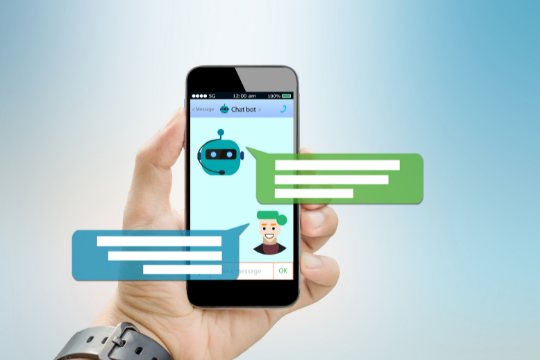
ChatbotA chatbot can be used as an interactive customer service, a personal assistant or an educational tool. It can be used to temporarily replace human staff for accepting orders, answering clients’ questions, and giving instructions. They are capable of learning and ‘understanding’ the needs of your customers. A chatbot can even help you build trust by interacting with your clients on social media accounts like Facebook Messenger, Twitter, Google Plus, WhatsApp and other messaging platforms.

Here are the top 5 ways to implement chatbots into your business:


1. Chatbot for Order Management

If you have a high-volume product selling business, involving an automated order management system with a chatbot is a great way to keep your customers happy. It will allow them to place orders faster and at any time of the day with just a single click. Your clients will appreciate this new approach as it’s so easy to use and convenient.


2. Chatbot for FAQs Support

Here is the verbatim example of how you can deploy a chatbot for FAQs support: You are developing a new social media platform. It takes several months to complete this project and launch the product to your targeted audience. But there are thousands of questions about the platform that people want to ask before they are ready to hit the ‘subscribe’ button. So, you can convert these frequently asked questions into chatbot FAQs support and provide answers right within Messenger or via Facebook Ads. This way, you can get real-time feedback on the key features of your product and at a timely manner.


3. Chatbot for Order Follow Up

Implementing an automated one-to-one chatbot conversation for order follow-up will allow your customers to interact with a bot to secure shipping and delivery details, track their orders or ask about your refund policy. This way, you can have the same information available for them that your customer service agents have – with a fraction of the cost. It will also allow customers to chat with your staff even when your business is closed.


4. Chatbot for Promotional Campaigns

You can also use chatbots for promotional campaign execution. For example, a single chatbot conversation can be used to promote your “winter sale” or any other special event discounts. You don’t need to deploy several costly marketing campaigns across multiple platforms – let a bot do it all! The same chatbot can also be used to inform your customers about any of the upcoming events or company news. You can use this kind of chatbot as a marketing assistant for your entire business.

It will allow you to automate your marketing process and save lots of time.


5. Chatbot as a Customer Service Representative (CSR)

This is the “go big” approach that gives you tons of benefits for small cost and effort. You may have heard about Amazon Alexa or Facebook Messenger’s bots named “Pepper”. These are the best examples of chatbot as a CSR. Pepper (a bot developed by SoftBank Robotics) has been installed in many retail shops in Japan to serve clients with directions and answers for FAQs support.

Not only these bots can help consumers but also provide invaluable data for business owners to make their services better and more efficient. For example, it can show how many visitors come to the shop, what is their range of age and sex, where do they live… All this data will help you improve your marketing strategies.

As businesses grow bigger and more sophisticated every day, we have a chance to implement new technologies into our daily activities as well. Most importantly, chatbot is a technology that can help you grow your business faster, improve customer loyalty and save time and money. You should always consider a chatbot as one of the ways to increase your profits with minimum investment.


Sunvera Software develops next-level software applications from start-to-finish. We are a premier software and mobile app development agency specializing in healthcare mobile app development, custom mobile app development company, telehealth software, sales dashboards, custom mobile app development services, retail software development, supply-chain software, ecommerce, shopify, web design, iBeacon apps, security solutions and unified access software.

We are proud partners with Amazon AWS, Microsoft Azure and Google Cloud.

Schedule a free 30-minute call with us to discuss your business, or you can give us a call at (949) 284-6300.

20 Tips to Accelerate Business Growth and Success

BusinessWhat are some of the most successful companies in your city? Chances are, many of them use one or more growth tactics to accelerate their business growth. Some might not think about techniques for accelerating business growth as a marketing practice, but it is exactly that-how you engage with and approach customers and create an experience so memorable that they will keep coming back. Here are twenty tips to accelerate business growth and help you nail your marketing strategy.

 

1. Be a Sales Guru, Even if You Are Not the COO

You may feel that only the chief operating officer can be the sales guru but don’t discount yourself so easily. Many firms have more than one sales guru (usually with one that is well versed in the technical side of things and another, usually a business manager, whose skills are more focused on the sales and marketing aspect). There are many characteristics of a sales guru. The most important aspect of this role is to have a real, tried and true, inside sales team or firm. Here are some other traits:

  • The ability to communicate and sell new ideas, products, services or concepts from start-up to market launch without having had an extended period of testing or proving the viability in the marketplace.
  • The ability to sell a product or service that they didn’t invent, create, deliver and market.
  • The ability to sell an intangible item even though the company has no assets. What is your one core product or service? Is it something that can be delivered with minimal risk or investment in time or money? All sales gurus are able to handle objections without shutting down communication with potential clients.


2. Be a Problem Generator

We know this might sound a bit odd but it is an important skill that every sales guru must develop and use to their advantage. You see, you need to get the prospect comfortable with your firm so that they will consider letting you “do something for them”. So how do you do that? By focusing on the problems they are having and helping them express and outline their concerns. Oftentimes, sales gurus have a way with words that helps people to open up and reveal what is really going on in their business.


3. Becoming a Superhero for Your Employees

It’s essential to make sure that people who work for you have fun working with you. If they do not, it’s likely they can’t deliver their best. In order to keep the staff engaged and energized, you must be personable. You should always be available for questions and ask them questions as well. When you are in the office, be sure to play with your team members and involve them in some activities that will get them talking and laughing.


4. Becoming a Superhero for Your Customers

It’s essential to make sure that people who use your products or services have fun working with you. If they do not, it’s likely they will leave and tell others about their bad experience (and thereby damaging the company’s reputation).


5. Become a Sales Champion

A sales champion is someone who works extra hard to close deals. This person sets a good example for others and helps them to become better at what they do. They also make sure that the sales staff has everything they need to close a deal. They are usually found in companies with multiple branches or divisions and help smooth the way for processes to be streamlined so everyone can work together seamlessly.


6. Make Sure Your Products and Services Are Marketed

In order for sales to be successful, you need people know about it (i.e., marketing). Marketing can be very complex and is often handled in-house. However, there are specific marketing strategies and tactics that can be outsourced to other companies. Regardless of your decision, you need to make sure it’s done effectively so people know they have a product or service available for them to purchase.


7. Consider Building Strategic Alliances With Others

Strategic alliances can help you a lot in developing a successful business. Consider the benefits of working with other companies that provide complementary products or services. For example, you may have developed a new software product but still need help with implementation (i.e., another company would be able to provide this service for you while selling their own products / services).


8. Live in the Moment

Business and life are full of ups-and-downs. It’s crucial to make sure you pay attention to what’s happening at this moment and handle issues as they come up. This will help you develop your ability to quickly adapt to any situation and get the job at hand done effectively – which is very important for business success.


9. Create a Roadmap for Your Business

A roadmap or “roadmap” is an important aspect of planning because it helps you to achieve long-term success by creating steps that can be achieved during the course of several months (or years). You don’t have to develop one right away but start formulating ideas about where you think your company wants to go. Then, start talking about it with your team members and refining the ideas as you move forward. Having a roadmap is one of the most important things you can do for your business because it helps keep everyone focused on reaching goals and making money.


10. Pay Attention to What Customers Are Saying and Try To Learn From Them

One of the best ways to improve your business is by learning lessons from your customers. There’s nothing better than getting first-hand experience about what their needs are regarding your products / services. You can then use this information to improve your offerings.


11. Strive for Excellence

Don’t just settle for doing things in a good way — always push yourself to do things 10x better.


12. Work on Being Perceived as an Expert by Your Potential Clients

There are many ways that you can do this: writing white papers and articles, publishing books and eBooks, contributing to forums, attending conferences and events related to your business as well as getting certified for things that you know about (this last one requires time and effort but can really help your business).


13. Learn To Sell by Asking Questions

Most people learn this skill incorrectly — they think the more questions you ask, the better salesperson you are. This is not true because many salespeople who do this often come across as being intrusive or even pushy — which is a big turn-off for a potential customer. The best way to learn how to sell by asking questions is to ask open-ended questions that are easy for people to answer (this requires practice).


14. Make Sure Your Company Is Equipped With the Right Tech

Technology can be a great help in any business, but it’s important to make sure your company is using the right technology tools. The right tools will include: phones that you can use for making sales calls (i.e., mobile phone), internet access and even video cameras for recording how your products are being used on location. Not just hardware though, you need to be sure that you have the right software tools as well to improve operational efficiency and save on major costs.


15. Teach, Don’t Just Sell

Develop a certain skill that you can teach others in your business — this is something that will not only help them be better at what they do but it will also prove to people who become interested in your products / services that you are an expert at what you do.


16. Don’t Take Things Personally

One of the best ways to become successful in business is to make sure you’re not letting your feelings affect your work. Customers may at times be unhappy with what you’re offering and this can cause some serious problems if you take it personally (i.e., start blaming yourself for errors that could have been made by them).


17. Find a Mentor

A mentor can be someone who has already started his business and is willing to help you improve your own as well. It’s important that you find someone who is not only successful but also someone that will share with you some of the secrets on how they’ve become successful themselves.


18. See the Big Picture Even When You’re Focused on Small Details

This is one of the most important things to learn because sometimes it’s easy to get bogged down by the little details and miss out on the bigger picture. The great thing about seeing the big picture is that you can see a lot more opportunities that may have otherwise been missed.


19. Learn From Others

There are many people out there who have already been successful at what you’re trying to do — why not learn from them? You can save a lot of time and energy by learning from their past mistakes.


20. Network As Much as Possible

Many people fail when it comes to business because they don’t have the right network of people around them. Even if you don’t have a mentor, you should always be reaching out to new people and connecting with them — this way your network will grow stronger and the opportunities that you’re able to take advantage of will become bigger as well.


Sunvera Software develops next-level software applications from start-to-finish. We are a premier software and mobile app development agency specializing in healthcare mobile app development, custom mobile app development company, telehealth software, sales dashboards, custom mobile app development services, retail software development, supply-chain software, ecommerce, shopify, web design, iBeacon apps, security solutions and unified access software.

We are proud partners with Amazon AWS, Microsoft Azure and Google Cloud.

Schedule a free 30-minute call with us to discuss your business, or you can give us a call at (949) 284-6300.

App Modernization: What is it and How Can Businesses Benefit?

App modernizationThe nature and pace of business today is changing rapidly. The impact on IT operations is profound, especially with the advent of cloud-based technologies. How does this rapid shift to cloud computing impact how you modernize your existing on-premises applications?


Businesses today are looking for a balance between increasing their pace of innovation, while at the same time remaining secure and compliant. They need to transform their operations to support this success. Technology modernization can help businesses achieve these objectives. Modernization puts key technology capabilities in place that will enable them to do more faster. It’s a key capability for delivering value quickly and effectively.

Modernizing your applications can both improve the quality of those applications, as well as provide benefits like faster time to market and improved agility. The resulting capabilities can help enable you to address business opportunities today, while keeping pace with changing customer demands in the future.

The challenge for many businesses is figuring out how to modernize their business applications as they move to cloud-based architectures. This is where app modernization can help.


What is App Modernization?

App modernization, in simple terms, is the process of taking your existing on-premises applications and making them suitable for deployment as cloud-based applications or even SaaS applications. App modernization makes these applications easier to deploy, more agile, and able to take advantage of the Cloud.

App Modernization can help businesses achieve their technology goals in four key areas:


Integrated Cloud and On-Premises Applications

Modernized applications that span both on-premises and the Cloud enable you to move business logic from your existing on-premises applications into a variety of cloud-hosted services. This approach allows companies to take advantage of the agility and flexibility of the cloud, while using their existing investment in on-premises applications.


Integrated Applications with Mobile Devices

The role played by mobile devices is growing rapidly every day. These devices can sit on either side of the network, with user experiences spanning both apps and websites. A key challenge for many organizations is how they can make their business applications available to users via mobile devices. App modernization makes it possible to move existing business logic from your application server to cloud services capable of running on a variety of devices.


Modernized Collaboration Applications

Collaboration tools are critical business enablers as they help teams work more effectively. That’s why it’s important to move your existing collaboration applications into the Cloud. Doing so allows you to continue to use the tools you’re familiar with, while taking advantage of new capabilities like cloud-hosted file storage and secure file sharing.

You can also take advantage of some additional benefits by moving these applications to a SaaS environment. These include:

Business Agility: When you begin to use SaaS collaboration tools for your organization, changes can be made and deployed rapidly. In most cases new capabilities are quickly available as a result of the subscription pricing model.

Lower Total Cost of Ownership: Because SaaS applications typically have lower license fees than traditional packaged applications, you can realize a real cost savings over time. If your organization has historically had to pay for services on a per-seat basis, it’s likely that SaaS solutions will appeal to you because of their low up-front costs.


Modernized Platform Applications

Application modernization doesn’t have to be limited to the user interface. There are many times when additional functionality is required to make an app “applicable” for use in a cloud environment. For example, some applications require things like load balancing, multi-tenancy and enterprise grade security if they’re to be used in the Cloud. App modernization can provide you with these toolsets to help move existing apps easily into the Cloud.


Conclusion

The role played by cloud-based apps is growing rapidly. If you want your organization to take advantage of these opportunities, you’ll need to begin the modernization journey as soon as possible.

App modernization provides a methodology to guide this process. It can help you identify the right apps for cloud migration and prepare them so that they’re ready for use in a SaaS environment. By not waiting to do this work, you’ll gain an immediate benefit of increased agility – your organization will be able to begin reaping the benefits of a cloud-ready app portfolio today.


Sunvera Software develops next-level software applications from start-to-finish. We are a premier software and mobile app development agency specializing in healthcare mobile app development, custom mobile app development company, telehealth software, sales dashboards, custom mobile app development services, retail software development, supply-chain software, ecommerce, shopify, web design, iBeacon apps, security solutions and unified access software.

We are proud partners with Amazon AWS, Microsoft Azure and Google Cloud.

Schedule a free 30-minute call with us to discuss your business, or you can give us a call at (949) 284-6300.

Ready to discuss your project? Contact Us