
Patient Engagement Platform: Must-Have Features

patientOnline health communities and digital self-management tools are growing in popularity with the millions of people living with chronic conditions. These new technologies allow a patient to participate in a dialogue regarding their condition on their own terms, from the comfort of their own home or other location via mobile devices such as smartphones or tablets.

As our personal data is increasingly scattered across various platforms, we must leverage outside assistance (i.e., automated systems) to help us organize it effectively so we can find it later when needed.  Patients who need information about their health stored somewhere might not know where its located unless a trusted system such as an EHR or a Personal Health Record (PHR) shows it to them based on their needs, and then helps find it among the various databases.  This is why patients need access to a PHR that can help aggregate information from multiple sources , for better analysis and organization of health data along with making it easier to share with family members and providers.


#1 – Patient-Centric Design

Patient-centric design is the main principle behind developing innovative health technology. If patients are not at the center of an app’s design, it will fail. This means that there should be a clear plan for how to collect patient data with minimal effort from patients themselves. It also means designing with user experience in mind so that patients can easily navigate the platform and find what they need. Most importantly, patient data should be at the foundation of any platform. If you cannot collect data from your users easily, you won’t have a successful product.


#2 – User Experience / Usability

When designing a digital healthcare platform, it is important to consider the patient experience every step of the way. How easy is it for patient users to find what they are looking for? What strategies can be used to ensure that users navigate the website without difficulty? Does the interface provide an intuitive design that will be instantly recognizable by patients? A focus on user experience will help create a more engaging and personalized platform for patients.


#3 – Access from Any Device

Perhaps the most important aspect of digital healthcare platforms is accessibility. Patients should be able to access information about their condition from anywhere they have an internet connection, regardless of device. This means that your platform must also be mobile-friendly and optimized for smartphones and tablets as well as traditional desktop computers. You may need to provide compatibility with many different devices if you want a truly diverse customer base.


#4 – Social Networking

Overall, healthcare is a social experience, especially for those with chronic illnesses like diabetes or hypertension. Patients need to be able to connect with others who have been in their situation and seek advice from them. This may require users to interact with each other through your platform, which raises concerns about privacy and security. But if you can find the right balance between security and user experience, social networking can be a great feature for your platform.


#5 – Mobile Device Accessibility

How easily can users access information about their conditions on a mobile device? Does the platform offer an app designed to work with all major mobile platforms, including iOS and Android devices? You should also consider giving your customers access to apps developed by other developers that use your data if they wish. This will provide more flexibility for patients while encouraging a sense of community.


#6 – Controlled Substances Management

When controlled substances management systems were first developed several decades ago, they required the pharmacist or the pharmacy tech to make manual entries into the system for each prescription filled. This produced a lot of inaccurate or incomplete information as those that made the entries were prone to making mistakes or failing to update important patient information with every transaction. The advent of automated controlled substances management systems reduced this error rate significantly and have gone even further in recent years by incorporating other patient information into the system like demographic data such as age and gender. Automated controlled substances management systems can also reduce errors caused by manual entry, as they require fewer people to administer them and are compatible with other automated prescription management systems within the practice.

This is a key feature for healthcare providers and professional organizations that rely on managed care systems or utilization review to help track clinical and financial data. A good EHR will be able to provide a variety of options for managing controlled substances compliance, including flagging patients that are at risk and prompting providers to consult with the patient prior to writing another prescription for them. An EHR can also automate much of this process by using smart algorithms that flag patients based on their age, medical condition, existing medications and other factors.


Conclusion

As new regulations come into place and the industry is forced to adapt, healthcare providers must take advantage of all the technology available to them. Even though there are many systems and software providers to choose from, it can be challenging to find the one that will work best for your practice. This is particularly true if you want to integrate a lot of different types of technology with each other. One platform might excel at providing mobile access but fail to give users the option of social networking or integrated EMR/EHR systems. Another might excel at EMR/EHR integration but fail to give patients access to valuable information via their mobile devices. For this reason, many healthcare providers look into custom healthcare solutions tailored to their exact needs.


Sunvera Software develops next-level software applications from start-to-finish. We are a premier software and mobile app development agency specializing in healthcare mobile app development, custom mobile app development company, telehealth software, sales dashboards, custom mobile app development services, retail software development, supply-chain software, ecommerce, shopify, web design, iBeacon apps, security solutions and unified access software.

We are proud partners with Amazon AWS, Microsoft Azure and Google Cloud.

Schedule a free 30-minute call with us to discuss your business, or you can give us a call at (949) 284-6300.
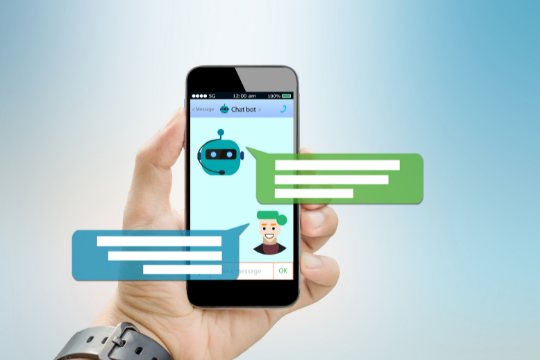
Chatbot Use Cases: 5 Ways to Implement Chatbots to Your Business

ChatbotA chatbot can be used as an interactive customer service, a personal assistant or an educational tool. It can be used to temporarily replace human staff for accepting orders, answering clients’ questions, and giving instructions. They are capable of learning and ‘understanding’ the needs of your customers. A chatbot can even help you build trust by interacting with your clients on social media accounts like Facebook Messenger, Twitter, Google Plus, WhatsApp and other messaging platforms.

Here are the top 5 ways to implement chatbots into your business:


1. Chatbot for Order Management

If you have a high-volume product selling business, involving an automated order management system with a chatbot is a great way to keep your customers happy. It will allow them to place orders faster and at any time of the day with just a single click. Your clients will appreciate this new approach as it’s so easy to use and convenient.


2. Chatbot for FAQs Support

Here is the verbatim example of how you can deploy a chatbot for FAQs support: You are developing a new social media platform. It takes several months to complete this project and launch the product to your targeted audience. But there are thousands of questions about the platform that people want to ask before they are ready to hit the ‘subscribe’ button. So, you can convert these frequently asked questions into chatbot FAQs support and provide answers right within Messenger or via Facebook Ads. This way, you can get real-time feedback on the key features of your product and at a timely manner.


3. Chatbot for Order Follow Up

Implementing an automated one-to-one chatbot conversation for order follow-up will allow your customers to interact with a bot to secure shipping and delivery details, track their orders or ask about your refund policy. This way, you can have the same information available for them that your customer service agents have – with a fraction of the cost. It will also allow customers to chat with your staff even when your business is closed.


4. Chatbot for Promotional Campaigns

You can also use chatbots for promotional campaign execution. For example, a single chatbot conversation can be used to promote your “winter sale” or any other special event discounts. You don’t need to deploy several costly marketing campaigns across multiple platforms – let a bot do it all! The same chatbot can also be used to inform your customers about any of the upcoming events or company news. You can use this kind of chatbot as a marketing assistant for your entire business.

It will allow you to automate your marketing process and save lots of time.


5. Chatbot as a Customer Service Representative (CSR)

This is the “go big” approach that gives you tons of benefits for small cost and effort. You may have heard about Amazon Alexa or Facebook Messenger’s bots named “Pepper”. These are the best examples of chatbot as a CSR. Pepper (a bot developed by SoftBank Robotics) has been installed in many retail shops in Japan to serve clients with directions and answers for FAQs support.

Not only these bots can help consumers but also provide invaluable data for business owners to make their services better and more efficient. For example, it can show how many visitors come to the shop, what is their range of age and sex, where do they live… All this data will help you improve your marketing strategies.

As businesses grow bigger and more sophisticated every day, we have a chance to implement new technologies into our daily activities as well. Most importantly, chatbot is a technology that can help you grow your business faster, improve customer loyalty and save time and money. You should always consider a chatbot as one of the ways to increase your profits with minimum investment.


Sunvera Software develops next-level software applications from start-to-finish. We are a premier software and mobile app development agency specializing in healthcare mobile app development, custom mobile app development company, telehealth software, sales dashboards, custom mobile app development services, retail software development, supply-chain software, ecommerce, shopify, web design, iBeacon apps, security solutions and unified access software.

We are proud partners with Amazon AWS, Microsoft Azure and Google Cloud.

Schedule a free 30-minute call with us to discuss your business, or you can give us a call at (949) 284-6300.

20 Tips to Accelerate Business Growth and Success

BusinessWhat are some of the most successful companies in your city? Chances are, many of them use one or more growth tactics to accelerate their business growth. Some might not think about techniques for accelerating business growth as a marketing practice, but it is exactly that-how you engage with and approach customers and create an experience so memorable that they will keep coming back. Here are twenty tips to accelerate business growth and help you nail your marketing strategy.

 

1. Be a Sales Guru, Even if You Are Not the COO

You may feel that only the chief operating officer can be the sales guru but don’t discount yourself so easily. Many firms have more than one sales guru (usually with one that is well versed in the technical side of things and another, usually a business manager, whose skills are more focused on the sales and marketing aspect). There are many characteristics of a sales guru. The most important aspect of this role is to have a real, tried and true, inside sales team or firm. Here are some other traits:

  • The ability to communicate and sell new ideas, products, services or concepts from start-up to market launch without having had an extended period of testing or proving the viability in the marketplace.
  • The ability to sell a product or service that they didn’t invent, create, deliver and market.
  • The ability to sell an intangible item even though the company has no assets. What is your one core product or service? Is it something that can be delivered with minimal risk or investment in time or money? All sales gurus are able to handle objections without shutting down communication with potential clients.


2. Be a Problem Generator

We know this might sound a bit odd but it is an important skill that every sales guru must develop and use to their advantage. You see, you need to get the prospect comfortable with your firm so that they will consider letting you “do something for them”. So how do you do that? By focusing on the problems they are having and helping them express and outline their concerns. Oftentimes, sales gurus have a way with words that helps people to open up and reveal what is really going on in their business.


3. Becoming a Superhero for Your Employees

It’s essential to make sure that people who work for you have fun working with you. If they do not, it’s likely they can’t deliver their best. In order to keep the staff engaged and energized, you must be personable. You should always be available for questions and ask them questions as well. When you are in the office, be sure to play with your team members and involve them in some activities that will get them talking and laughing.


4. Becoming a Superhero for Your Customers

It’s essential to make sure that people who use your products or services have fun working with you. If they do not, it’s likely they will leave and tell others about their bad experience (and thereby damaging the company’s reputation).


5. Become a Sales Champion

A sales champion is someone who works extra hard to close deals. This person sets a good example for others and helps them to become better at what they do. They also make sure that the sales staff has everything they need to close a deal. They are usually found in companies with multiple branches or divisions and help smooth the way for processes to be streamlined so everyone can work together seamlessly.


6. Make Sure Your Products and Services Are Marketed

In order for sales to be successful, you need people know about it (i.e., marketing). Marketing can be very complex and is often handled in-house. However, there are specific marketing strategies and tactics that can be outsourced to other companies. Regardless of your decision, you need to make sure it’s done effectively so people know they have a product or service available for them to purchase.


7. Consider Building Strategic Alliances With Others

Strategic alliances can help you a lot in developing a successful business. Consider the benefits of working with other companies that provide complementary products or services. For example, you may have developed a new software product but still need help with implementation (i.e., another company would be able to provide this service for you while selling their own products / services).


8. Live in the Moment

Business and life are full of ups-and-downs. It’s crucial to make sure you pay attention to what’s happening at this moment and handle issues as they come up. This will help you develop your ability to quickly adapt to any situation and get the job at hand done effectively – which is very important for business success.


9. Create a Roadmap for Your Business

A roadmap or “roadmap” is an important aspect of planning because it helps you to achieve long-term success by creating steps that can be achieved during the course of several months (or years). You don’t have to develop one right away but start formulating ideas about where you think your company wants to go. Then, start talking about it with your team members and refining the ideas as you move forward. Having a roadmap is one of the most important things you can do for your business because it helps keep everyone focused on reaching goals and making money.


10. Pay Attention to What Customers Are Saying and Try To Learn From Them

One of the best ways to improve your business is by learning lessons from your customers. There’s nothing better than getting first-hand experience about what their needs are regarding your products / services. You can then use this information to improve your offerings.


11. Strive for Excellence

Don’t just settle for doing things in a good way — always push yourself to do things 10x better.


12. Work on Being Perceived as an Expert by Your Potential Clients

There are many ways that you can do this: writing white papers and articles, publishing books and eBooks, contributing to forums, attending conferences and events related to your business as well as getting certified for things that you know about (this last one requires time and effort but can really help your business).


13. Learn To Sell by Asking Questions

Most people learn this skill incorrectly — they think the more questions you ask, the better salesperson you are. This is not true because many salespeople who do this often come across as being intrusive or even pushy — which is a big turn-off for a potential customer. The best way to learn how to sell by asking questions is to ask open-ended questions that are easy for people to answer (this requires practice).


14. Make Sure Your Company Is Equipped With the Right Tech

Technology can be a great help in any business, but it’s important to make sure your company is using the right technology tools. The right tools will include: phones that you can use for making sales calls (i.e., mobile phone), internet access and even video cameras for recording how your products are being used on location. Not just hardware though, you need to be sure that you have the right software tools as well to improve operational efficiency and save on major costs.


15. Teach, Don’t Just Sell

Develop a certain skill that you can teach others in your business — this is something that will not only help them be better at what they do but it will also prove to people who become interested in your products / services that you are an expert at what you do.


16. Don’t Take Things Personally

One of the best ways to become successful in business is to make sure you’re not letting your feelings affect your work. Customers may at times be unhappy with what you’re offering and this can cause some serious problems if you take it personally (i.e., start blaming yourself for errors that could have been made by them).


17. Find a Mentor

A mentor can be someone who has already started his business and is willing to help you improve your own as well. It’s important that you find someone who is not only successful but also someone that will share with you some of the secrets on how they’ve become successful themselves.


18. See the Big Picture Even When You’re Focused on Small Details

This is one of the most important things to learn because sometimes it’s easy to get bogged down by the little details and miss out on the bigger picture. The great thing about seeing the big picture is that you can see a lot more opportunities that may have otherwise been missed.


19. Learn From Others

There are many people out there who have already been successful at what you’re trying to do — why not learn from them? You can save a lot of time and energy by learning from their past mistakes.


20. Network As Much as Possible

Many people fail when it comes to business because they don’t have the right network of people around them. Even if you don’t have a mentor, you should always be reaching out to new people and connecting with them — this way your network will grow stronger and the opportunities that you’re able to take advantage of will become bigger as well.


Sunvera Software develops next-level software applications from start-to-finish. We are a premier software and mobile app development agency specializing in healthcare mobile app development, custom mobile app development company, telehealth software, sales dashboards, custom mobile app development services, retail software development, supply-chain software, ecommerce, shopify, web design, iBeacon apps, security solutions and unified access software.

We are proud partners with Amazon AWS, Microsoft Azure and Google Cloud.

Schedule a free 30-minute call with us to discuss your business, or you can give us a call at (949) 284-6300.

App Modernization: What is it and How Can Businesses Benefit?

App modernizationThe nature and pace of business today is changing rapidly. The impact on IT operations is profound, especially with the advent of cloud-based technologies. How does this rapid shift to cloud computing impact how you modernize your existing on-premises applications?

Businesses today are looking for a balance between increasing their pace of innovation, while at the same time remaining secure and compliant. They need to transform their operations to support this success. Technology modernization can help businesses achieve these objectives. Modernization puts key technology capabilities in place that will enable them to do more faster. It’s a key capability for delivering value quickly and effectively.

Modernizing your applications can both improve the quality of those applications, as well as provide benefits like faster time to market and improved agility. The resulting capabilities can help enable you to address business opportunities today, while keeping pace with changing customer demands in the future.

The challenge for many businesses is figuring out how to modernize their business applications as they move to cloud-based architectures. This is where app modernization can help.


What is App Modernization?

App modernization, in simple terms, is the process of taking your existing on-premises applications and making them suitable for deployment as cloud-based applications or even SaaS applications. App modernization makes these applications easier to deploy, more agile, and able to take advantage of the Cloud.

App Modernization can help businesses achieve their technology goals in four key areas:


Integrated Cloud and On-Premises Applications

Modernized applications that span both on-premises and the Cloud enable you to move business logic from your existing on-premises applications into a variety of cloud-hosted services. This approach allows companies to take advantage of the agility and flexibility of the cloud, while using their existing investment in on-premises applications.


Integrated Applications with Mobile Devices

The role played by mobile devices is growing rapidly every day. These devices can sit on either side of the network, with user experiences spanning both apps and websites. A key challenge for many organizations is how they can make their business applications available to users via mobile devices. App modernization makes it possible to move existing business logic from your application server to cloud services capable of running on a variety of devices.


Modernized Collaboration Applications

Collaboration tools are critical business enablers as they help teams work more effectively. That’s why it’s important to move your existing collaboration applications into the Cloud. Doing so allows you to continue to use the tools you’re familiar with, while taking advantage of new capabilities like cloud-hosted file storage and secure file sharing.

You can also take advantage of some additional benefits by moving these applications to a SaaS environment. These include:

Business Agility: When you begin to use SaaS collaboration tools for your organization, changes can be made and deployed rapidly. In most cases new capabilities are quickly available as a result of the subscription pricing model.

Lower Total Cost of Ownership: Because SaaS applications typically have lower license fees than traditional packaged applications, you can realize a real cost savings over time. If your organization has historically had to pay for services on a per-seat basis, it’s likely that SaaS solutions will appeal to you because of their low up-front costs.


Modernized Platform Applications

Application modernization doesn’t have to be limited to the user interface. There are many times when additional functionality is required to make an app “applicable” for use in a cloud environment. For example, some applications require things like load balancing, multi-tenancy and enterprise grade security if they’re to be used in the Cloud. App modernization can provide you with these toolsets to help move existing apps easily into the Cloud.


Conclusion

The role played by cloud-based apps is growing rapidly. If you want your organization to take advantage of these opportunities, you’ll need to begin the modernization journey as soon as possible.

App modernization provides a methodology to guide this process. It can help you identify the right apps for cloud migration and prepare them so that they’re ready for use in a SaaS environment. By not waiting to do this work, you’ll gain an immediate benefit of increased agility – your organization will be able to begin reaping the benefits of a cloud-ready app portfolio today.


Sunvera Software develops next-level software applications from start-to-finish. We are a premier software and mobile app development agency specializing in healthcare mobile app development, custom mobile app development company, telehealth software, sales dashboards, custom mobile app development services, retail software development, supply-chain software, ecommerce, shopify, web design, iBeacon apps, security solutions and unified access software.

We are proud partners with Amazon AWS, Microsoft Azure and Google Cloud.

Schedule a free 30-minute call with us to discuss your business, or you can give us a call at (949) 284-6300.

Smart Contracts in Banks and Financial Institutions

Smart ContractsMuch has been written about the potential of blockchain technology in the financial services industry. Indeed, the world’s largest banks have pledged resources to test enterprise-scale applications. But despite all this positive sentiment, there are still major practical challenges that need to be overcome before blockchain can become an integral part of the financial sector. Perhaps most notably, today’s complex and risky financial processes will not simply disappear. Smart contracts must offer clear advantages over existing infrastructures if they are to succeed. After all, a smart contract does not add value in and of itself.

 

What is a Smart Contract?

Smart contracts are a key feature of blockchain technology that supports the Bitcoin currency. In essence, they are small computer programs running on decentralized networks and have been described as “digital contracts”.

Digital contracts are not new to finance and already exist in many forms – legal documents, house deeds, government records, etc. For many years there has been discussion about how to reduce the time and cost of executing legal agreements by computerizing them. This has been achieved in practice using technologies such as PDF, HTML and Java applets but these are brittle solutions with low security (they can be hacked), high complexity, non-standard formats and expensive to maintain.

Blockchain technology has overcome the issues of previous digital contract solutions by creating a distributed database where data is reliably and permanently stored in many locations (nodes) on the network. The nodes are, in essence, copies of the same database that have been synchronized so they all contain an identical record of transactions. This ensures that records cannot be altered once written because any node can verify their validity by referencing other nodes. It also maintains confidentiality by encrypting and decrypting transactions using private and public keys.

In summary, the Bitcoin blockchain is a decentralized database linked across nodes hosted on servers all over the world. As a result it has several key properties:

These properties make blockchain networks ideal for recording and storing data associated with financial contracts such as paying a deposit for a car rental, buying a house or making payment of salaries.

Smart contracts were developed to enable automatic execution of the terms of legal agreements (“agreements”). Once programmed into blockchain networks, they execute automatically when predefined conditions are met. These digital “contracts” are stored in the blockchain and can be enforced by code allowing parties to rely on the execution of contractual obligations even in cases where one or more parties might attempt to breach the contract.

In practical terms, smart contracts are digital contracts stored in a blockchain that can be executed automatically without any human intervention. So, if for example, you were going to rent a car and you used a blockchain-based payment platform , the payment and the booking of the car rental contract would take place automatically and simultaneously as soon as the deposit was paid. The details of the transaction, such as who is paying whom for what, how much it will cost, and when it will be executed, are all stored in advance in a smart contract that cannot be altered or modified once written.

Some use cases for smart contracts within the financial services industry are:


Banking & Payments

In the context of banking and payments, smart contracts have been developed for cross-border money transfers where banks typically charge high fees depending on the amount transferred. Blockchain smart contract services such as BitPesa and Ripple have been developed to allow peer-to-peer payments at a lower cost than traditional international bank transfers.


KYC (know your customer) Procedures

KYC procedures are used in financial services to identify customers and ensure they are authorized to use the services. Smart contracts can be programmed with personal information, such as a person’s date of birth or passport, so that any time they want to access their account the required information must first be verified by one or more parties before it is automatically released. Banks are considering using blockchain technology to keep track of customers’ identities and other relevant information. This would serve as a secure, digital repository for KYC documents and the regulator could access these records in real-time to check that banks are complying with their requirements.


Trade Finance

In the context of trade finance, smart contracts can be used to facilitate invoice discounting or open accounts receivable facilities for a corporate borrower. These enable banks to offer financing facilities denominated in foreign currencies to corporate borrowers on more competitive terms. For example, sellers of goods and services can be invoiced in one currency (typically the buyer’s local currency), but payment will be received in a different currency which can subsequently be used to pay import bills or service supplier facilities denominated in the same currency.


Clearing & Settlement

In the context of clearing and settlement, smart contracts can be used to provide a secure and cost-effective record system for settling trades between brokers, exchanges and other financial institutions. This could eliminate many of the physical processes required to settle trades in securities such as equities or derivatives. In terms of clearing and settlement, a key benefit of using smart contracts is that it would eliminate the need for counterparties to locate and exchange assets or cash against a contract at the point of settlement. In this way, smart contracts can reduce “counterparty risk” which is one of the most significant costs associated with clearing and settling trades in traditional capital markets.

Economically, smart contracts will have little impact on financial institutions because they will simply provide a more efficient and secure record system for settling trades, rather than a new means of conducting trades.


Conclusion

Based on the information provided in this article, it is clear that smart contracts have a significant potential to make a positive impact across many different areas of financial services. While no bank currently relies exclusively on smart contract technology, many are exploring its use for certain types of transactions. They offer banks an opportunity to reduce costs and improve operational efficiency by making systems more transparent and secure.


Sunvera Software develops next-level software applications from start-to-finish. We are a premier software and mobile app development agency specializing in healthcare mobile app development, custom mobile app development company, telehealth software, sales dashboards, custom mobile app development services, retail software development, supply-chain software, ecommerce, shopify, web design, iBeacon apps, security solutions and unified access software.

We are proud partners with Amazon AWS, Microsoft Azure and Google Cloud.

Schedule a free 30-minute call with us to discuss your business, or you can give us a call at (949) 284-6300.

Optimizing the Revenue of Your Medical Practice: 5 Ways

RevenueIt’s no secret that the environment in which doctors operate has changed dramatically. With health reform, many people are now required to have insurance and can shop around for providers more freely than ever before.  The challenge is that hospitals and physicians feel the pinch of this increased patient load, as reimbursements rates go down due to cost shifting from premiums to overutilization. The greater number of patients in the system affects how practices are run, including staffing, equipment needed to perform procedures or tests, and revenue targets that have to be met.

So how do you effectively optimize your practice’s performance? Here are 5 ways to increase revenues:


1. Participate in a Healthcare Exchange (if applicable)

If you’re in a state that has implemented the ACA (Affordable Care Act), it’s crucial to participate in its exchanges.  The past few years have shown how much of an impact these have made by driving down costs and increasing access for consumers.  It provides a platform for patients who are required to purchase health insurance to view the available providers and their associated pricing for covered services.  By participating in a healthcare exchange, you can also generate leads and increase awareness of your practice.


2. Review Past Reimbursement Data

The majority of doctors do not do this regularly enough to realize that they are being reimbursed less than what should be.  By reviewing past billing and reimbursement data, you can determine where your practice is underperforming in sales without the added pressure of a heavy patient load.  This analysis could identify key areas that need to be improved or help you find solutions for an already overbooked schedule.


3. Update Your Technology

Many practices have tried to keep up with the times without realizing that there are new applications or devices out that can help increase revenues.  By looking at the latest technologies being used by larger healthcare organizations, you will learn how to improve your efficiency for patient care and staff efficiency.


4. Seek Out Strategic Partnerships

One way to accomplish your revenue goals is to team up with other providers in your area. There are many different venues through which you can seek out these partnerships, including health-focused websites and social media groups. Many of these may offer incentives like advertising or compensation for referrals.


5. Train Your Staff

Lastly, and perhaps most importantly, you should make sure that your staff is utilizing all the tools they have at their disposal.  In addition to ensuring your scheduling software helps them optimize patient flow throughout the day while keeping overbooking to a minimum, it’s important for staff members to be able to effectively communicate with each other as well as the general public.

This list is by no means an exhaustive one, as there are so many things that a healthcare organization can do to stay ahead.  However, it does offer some practical areas where you can focus your efforts to increase your medical practice’s revenue. Working with a practice management software provider can help you become more efficient as well.


Sunvera Software develops next-level software applications from start-to-finish. We are a premier software and mobile app development agency specializing in healthcare mobile app development, custom mobile app development company, telehealth software, sales dashboards, custom mobile app development services, retail software development, supply-chain software, ecommerce, shopify, web design, iBeacon apps, security solutions and unified access software.

We are proud partners with Amazon AWS, Microsoft Azure and Google Cloud.

Schedule a free 30-minute call with us to discuss your business, or you can give us a call at (949) 284-6300.

Reshaping Retail With These 8 Tech Trends

RetailConvenience is more critical than ever for shoppers, whether they’re asking questions about products on social media or researching items prior to arriving in a retail store. This has prompted retailers large and small to embrace new technology that enhances their in-store experiences, allows them to be more competitive and generates additional revenue from customers who shop online.

Here’s a look at eight tech trends that are reshaping retail:


1. Intelligently Tailored Experiences

Now that customers can compare prices online and read reviews of products in a matter of seconds, retailers have to put even more effort into the in-store experience. By coupling customer data with sensors and cameras that track shoppers’ movements and preferences, stores can deliver highly customized experiences that are tailored to individual shoppers’ needs.


2. Allowing Customers To Buy Anytime From Anywhere

Today’s digital native shoppers want anytime/anywhere access to a retailer’s products. They also expect the ability to buy online from their mobile devices, and any retailer that doesn’t offer this convenience will fall behind.


3. Generating More Revenue In-Store And Online

Retailers are seeking tech solutions that allow them to capture both in-store and online sales. By leveraging the internet of things to help visualize products within a store, retailers can offer shoppers augmented reality (AR) or virtual reality (VR) experiences that encourage them to buy in-store as well as online.


4. Improving The In-Store Shopping Experience

Retailers are also focusing on better ways to engage shoppers in-store by offering helpful technology, such as the ability to connect with a customer service representative through an app. Once connected, customers can scan products’ barcodes or take photos of items they want more information about and receive instant answers.


5. Increasing Brick-And-Mortar Sales With Online Technology

In addition to engaging customers with AR and VR, retailers are seeking technology that helps them more effectively leverage physical products. The idea is to let shoppers view these items virtually in the same manner as they can arrange furniture and other household goods through sites such as Houzz , then place an order for delivery or pickup from a nearby store location.


6. Building A Stronger Relationship With Customers

With more than half of U.S. shoppers using social media to research products and services, retailers are turning to this channel — particularly Facebook — as an effective way to better engage with consumers online. Retailers also are using chatbots on messaging apps such as Kik and Telegram that let them send shoppers information about products directly on their smartphones.


7. Improving Store Operations And Marketing

Retailers also can use smart technology to alert store associates or managers when certain items sell out, which helps them restock shelves more quickly — and strike up conversations with customers who might be interested in other merchandise nearby.  Plus, analytics from the technology can help retailers track their marketing campaigns with data about how many customers visit stores and make purchases after seeing ads on specific media.


8. Engaging With Customers Using Voice Assistants And Virtual Assistance

Nearly half of consumers who are aware of voice assistants such as Amazon, Alexa, or Google Home use them to shop for products, according to a survey by Accenture. And retailers should be prepared to leverage these tools by examining how they can tap into voice assistants to find out if shoppers need help with any products or to answer product-related questions.


These eight retail trends offer a starting point for store owners who want to increase traffic and sales using technology.  While each trend entails a different level of investment, the return on that investment can be significant. For example, retailers who go for an in-store AR experience for their customers will need to invest in technology and training employees to use it effectively. But they’ll also have an opportunity to better engage with shoppers and increase sales as well as customer loyalty.

With so much at stake, technology — not just in-store demos and other high-tech marketing tactics — should be part of any brick-and-mortar retailer’s strategy.


Sunvera Software develops next-level software applications from start-to-finish. We are a premier software and mobile app development agency specializing in healthcare mobile app development, custom mobile app development company, telehealth software, sales dashboards, custom mobile app development services, retail software development, supply-chain software, ecommerce, shopify, web design, iBeacon apps, security solutions and unified access software.

We are proud partners with Amazon AWS, Microsoft Azure and Google Cloud.

Schedule a free 30-minute call with us to discuss your business, or you can give us a call at (949) 284-6300.

5 Ways to Apply AI to Real-Time Video Processing

AIThese days, more and more practical applications are being developed for artificial intelligence (AI) technologies, such as computer vision and machine learning. AI has gradually spread into our daily lives: from automatic camera/audio control to facial recognition systems in mobile devices. With AI’s continued development, it’s likely that we will see AI integrated into more of our everyday experiences.

One of the biggest advantages AI has to offer is real-time object detection and recognition. An increasing number of mobile devices come with built-in cameras, making it possible for any user to capture images or videos on the spot without resorting to extra peripherals. However, these users may sometimes encounter problems in real time, such as poor image quality, inappropriate exposure or focus level setting, and so forth. Therefore, applying AI to real-time video processing will help solve these problems.

Here are five ways to apply AI to real-time video processing.


1. Capture High-Quality Images With AI Image Enhancement

The first and foremost application of AI in real-time video processing is to enhance the quality of captured images, especially if the camera has a low resolution or poor shooting angle. For example, you can point your mobile phone camera at an object that’s 30 meters away from you, but if the pixel density of your camera is low, it will be difficult to get a clear picture. AI image enhancement can help solve this problem by improving image quality and reducing noise.


2. AI Video Light Control/White Balance Adjustment With Fast Response Time

A major shortcoming of video cams that capture images in real-time is that they can’t automatically adjust for lighting. If you’re taking a video at night, the image will be dark; if you’re shooting in bright sunlight, every shot will turn out too bright. However, AI technology can analyze video light and make real-time adjustments to improve color saturation and exposure levels — without restricting users from changing camera parameters manually.


3. Fast and Accurate Face Detection With AI Facial Recognition

Being able to detect faces in real-time will allow you to take shots with proper framing, as well as adjust for additional parameters like focus level and shooting angle. There are already numerous examples of facial recognition systems appearing on mobile devices in the form of automatic camera/audio control, but with AI technology, it’s possible to do much more than that. By analyzing facial expressions of the subject — such as whether he or she is laughing, frowning, or making a goof face — you can also apply some fun effects in real-time during video recording.


4. Real-Time Object Tracking and Dynamic Scene Recognition

For those into selfies, a smartphone is all you need to capture your image. However, if you are taking pictures at a wedding or party, it’s likely that there will be other people in the frame — and these people would usually like to participate too. With AI technology, it’s possible to recognize where an object is located in the frame and capture photos of the bride, groom, or other wedding guests. In addition to still images, AI can also be used to analyze video frames in real-time — allowing you to track objects that move between shots and recognize them, even if they appear partially obscured or in shadow.


5. AI Face Recognition for Verification Purposes During Video Chat

When it comes to online chat, most users are familiar with video chatting via Skype or FaceTime. However, during the process of making a video call, how do you know that your interlocutor is really who they say they are? With AI technology, passwords and passcodes will become things of the past — as long as both parties have their faces in view of the camera, AI will be able to recognize them instantly. Furthermore, users can also set or change their own passcode for added protection — and all of this happens without either party losing sight of their interlocutor’s face.

In conclusion, AI technology has already begun to make its presence known in many industries and applications. However, as the technology continues to evolve, we’ll begin to see AI applications that are more relevant and practical in nature. Real-time video processing is still a relatively new field; however, with improvements in visual recognition algorithms and other functions for object tracking and motion detection — AI will be able to make a huge impact on this market right now.


Sunvera Software develops next-level software applications from start-to-finish. We are a premier software and mobile app development agency specializing in healthcare mobile app development, custom mobile app development company, telehealth software, sales dashboards, custom mobile app development services, retail software development, supply-chain software, ecommerce, shopify, web design, iBeacon apps, security solutions and unified access software.

We are proud partners with Amazon AWS, Microsoft Azure and Google Cloud.

Schedule a free 30-minute call with us to discuss your business, or you can give us a call at (949) 284-6300.

15 Best App Security Practices

securityOne of the awesome things about the mobile market is its rapid growth and introduction of new technologies. However, with this expansion comes many security issues that should be addressed and improved upon by application developers. With that in mind, let’s take a look at some app development best practices to ensure that your app stays safe from possible hackers!

 

1. Secure Your App With Encryption

Encryption prevents a third party from accessing and using the information that is stored on a device. The stolen data will be encrypted before it can be used by a hacker, meaning that he has to decrypt the data in order to gain any useful information. Your application should account for this encryption measure at all times; even after the application is closed.

The best way to account for encryption measures is with your own API. If you have a large data file that needs to be encrypted before it can be used, then use your own API to encrypt and decrypt the file whenever the user enters or exits an app area/screen.


2. Do Not Allow Your App To Access the Internet Without a VPN

Many mobile applications collect data, but they do not have any security measures in place to protect that data. Hackers are always looking for unsecured channels or unprotected networks, because once they breach them, they can gain access and control of your application. This is why it’s important that you secure your data before it leaves the device!


3. Do Not Store Any Passwords, IDs, or Encryption Keys in a Config File

If you’re like most app developers, then you’re probably using some coding framework to create your app. In order to quickly and efficiently code new features for your app with these frameworks, you will need to keep track of a lot of different types of information.

One example of this information is encryption keys, which are used to encrypt the data files on your app’s device. You should never store these keys in a config file that can be accessed by other developers or engineers without undergoing a serious security check first!


4. Transmit All Sensitive Data via SSL

As explained in #2, your app should not access any unsecured networks or channels to transmit its data. Hackers can easily access unprotected network traffic, and you do not want them to be able to steal the sensitive information that they’ll find there! If you need to transmit sensitive information over an insecure channel, then secure it with SSL before you send it.


5. Never Use Code That Someone Else Has Created for Your App

This is a big one. Every year, there are thousands of applications added to the global marketplaces by independent developers and engineers who want to make some extra money on the side. Most of these individuals are not trained on how to code mobile applications, so they often post their applications with security flaws or they download insecure code that has already been written by someone else.

If you do not thoroughly check every line of code before it’s installed onto your app, then you’re leaving your application vulnerable to a large number of possible attacks and breaches. Never download code from an untrusted source, and always make sure that you are using secure coding practices for all of your mobile devices.


6. Verify the Identity of Any Person With Admin Privileges

As the creator or manager of a popular app, you may be interested in recruiting new developers to help out with some aspects of your application’s coding. Some hackers are very good at pretending to be developers or engineers, and they will often find their way onto your team with the intention of stealing data or gaining control of sensitive functionality in your application.

Make sure that all new hires pass a thorough background check before giving them access to your app’s source code!


7. Avoid Using Temporary Passwords To Keep Your App Secure

In order to gain control of a device, hackers will try many different methods in order to guess the user’s password. One popular method is called “bruteforcing”, which involves trying every possible combination of letters and numbers until the hacker finds the right one. To protect against bruteforcing, you should never use temporary passwords. Instead of using a code that a hacker will eventually crack, use two-step authentication to ensure that your app’s data is secure.


8. Check the Permissions for Any New Software Before Downloading It

As an app owner or manager, you’ll receive thousands of emails everyday from different companies and engineers that want your business. One popular way for these companies to get your attention is by sending you a notification whenever new software is uploaded to the Google Play store or Apple App Store. If you see an email like this, then make sure that you check the permission settings for any new applications before downloading and installing them!


9. Encrypt All Private Data

In addition to your encryption keys, you should also use SSL to encrypt all of the private files and data that are stored on the devices where your app is being used. When a user opens his or her app for any reason, they will start communicating with the application server. You can prevent hackers from intercepting this data by encrypting it with SSL.


10. Check the Code Before Sending It to App Stores

As mentioned in #5, you should never download code that someone else has created for your application. Not only do you not know what this code might contain, but you definitely don’t want to give a hacker access to a program that is being used by thousands of people every day.

Take the extra time to check every line of code before sending it to app stores. Remember, once the download button is pressed you won’t be able to change anything on your app!


11. Don’t Host Sensitive Data in a Public Database Dump

If you’re working with a team of other developers, then you should seriously consider hosting all of your sensitive data in a private database dump. Public databases can be accessed by anyone with an internet connection, which means that any hacker can still gain access to your application’s data store if they’re determined enough. This represents a serious threat to the security of information stored on your app’s servers, and it should be avoided at all costs.


12. Use a Security Policy for Your App’s Data

The downfall of many great applications is poor security procedures, so you should certainly take the time to make a comprehensive policy that outlines how users can collect sensitive information on their mobile devices. This policy should include such features as password requirements, error logs, and authorization protocols for any private data stored on your app’s servers.


13. Store Your App’s Information in Multiple Secure Locations

Another great way to protect your application from hacker attacks is by storing all of its sensitive data in more than one location. There are many ways that hackers can gain control of a device, so you shouldn’t rely on any single server in order to keep your app’s information safe.

If you’re using Google Cloud Platform as your default data store, then be sure that you have a backup copy of all private files stored somewhere else!


14. Check the Code Before Letting It out the Door

Most software engineers will tell you that a vulnerability is lurking within every program, which means that your app isn’t completely secure until the day it’s released. If a hacker has already discovered one of these vulnerabilities before an app has been launched, then they’ll most likely exploit this weakness as soon as possible.

Before releasing any program to the general public, make sure that you check your code for vulnerabilities. You don’t want to let any hacker into your app’s servers because of an oversight on the part of your development team!


15. Use a VPN Whenever Possible

Using the same network to surf the web and download apps can put your personal identity at risk due to default settings in most ISPs. A VPN can be used to create a secure ‘tunnel’ between your device and the internet, which will completely hide your identity when sending data via online servers. Always use a VPN whenever possible to prevent hackers from finding out what you’re doing on the web!


Conclusion

Of course there are many more tips for securing your app’s servers, but these 15 best practices should be enough to keep you safe in most situations. Just remember that the digital world is constantly changing and adapting, so you’ll have to be vigilant if you want to protect your valuable software from cyber-thieves!

Sunvera Software develops next-level software applications from start-to-finish. We are a premier software and mobile app development agency specializing in healthcare mobile app development, custom mobile app development company, telehealth software, sales dashboards, custom mobile app development services, retail software development, supply-chain software, ecommerce, shopify, web design, iBeacon apps, security solutions and unified access software.

We are proud partners with Amazon AWS, Microsoft Azure and Google Cloud.

Schedule a free 30-minute call with us to discuss your business, or you can give us a call at (949) 284-6300.

Methods to Reduce Software Development Cost

software developmentA major area of concern for software engineers is the cost of developing custom applications. Software development costs can be greatly reduced by applying methods to make the system design flexible and versatile.


The first step in understanding how to reduce software development cost is to understand where those costs come from. Here are some areas that contribute significantly to the overall cost of developing custom software:


Personnel Training

Training for the development team must be provided in order to develop an application. This training includes instruction in both the underlying technologies and the methodology that will be used by the development team. The base cost of this training is often overlooked by those who are not experienced in software development. The cost of training includes both the direct costs of providing training and the indirect costs of lost productivity while team members are in training.

Training is typically provided by an outsourced partner or through a third party vendor/service provider. This additional cost may not be easily quantifiable, but should be understood during the development process. Your main objective is to minimize your training cost by providing your partner or vendor with the tools and resources that they need.

Training can also be provided by the development team itself. This is very common when developing in-house applications. Developers will often learn new technologies and methodologies through self-study or by attending local meetups, user groups, conferences, etc .


Development Tools

Software developers use a number of tools to develop software applications. These tools include version control software, issue tracking tools, task management applications, requirements tracking and management tools, defect tracking tools, source code control systems etc. The cost of these tools needs to be considered during the development process.

These costs will vary depending on the development team’s needs. Some teams may use a common set of standard tools for all projects while others may need highly customized solutions.

The cost of these tools is usually built into the overall development costs. This may result in higher than actual costs, but can help to ensure that a large number of developers can easily utilize these applications and reduce their training time.


Architecture and Design Costs

The architecture and design phase is one of the most important phases of the development process. Poor architecture and design decisions will have a direct impact on the cost of developing custom software.

The cost of this phase is often overlooked because it is not directly associated with the actual coding that takes place during the development process. This leads to poor application designs which result in increased coding costs, higher defect rates, maintenance costs, etc.

The cost of this phase is greatly impacted by the overall approach used to develop the solution. Agile approaches may require less detailed architecture documentation, but may result in higher design costs due to the increased need for architecting and designing more complex applications. Waterfall approaches have traditionally focused on documenting every requirement before developing a single line of code, which results in higher design costs.

Design only occurs after the requirements are documented and must be completed before development can begin.

The best approach is to define a balance between architecture requirements and coded design at an early stage of the project as part of the initial planning process . Pushing an excessive amount of design documentation throughout the project will overcomplicate the development process, while not creating enough design detail may result in less than optimal solutions.


Design Cost Example

An example design cost is hard to quantify due to the wide range of requirements documentation and code samples that can be used as part of an application architecture or design phase. The key objective here is to ensure that at a minimum your solution complies with industry best practices.

Developing software is a complex process that can result in high costs if not managed properly. An upfront focus on reducing these development costs will have a direct impact on increasing your returns and overall profits .

The best way to reduce your application development costs is to understand and plan for the various processes involved. This will help to ensure that your development team (and budget) is as efficient as possible .


Methods to Reduce Software Development Costs

The following are some of the key methods for reducing software development costs.


Manage your Project Properly

An indirect method of reducing software development costs is to ensure that you manage your project properly. This means setting realistic goals and deadlines, managing the work load of the developers, identifying potential issues early in the process, and adjusting timelines as needed, etc.

This may be one of the most difficult methods for reducing development costs since it requires a lot of attention to detail and ongoing project management. Developing custom software involves a number of complex processes and certain patterns will inevitably emerge over time such as poor code quality, high defect rates, slow deployment times, etc. Identifying these situations early and addressing them immediately will always result in a greater ROI.


Working with Agile or Waterfall

The methods used to manage your software development project can have a significant impact on the overall cost of developing your application, as explained above. For this reason, using an agile approach for managing your project is going to be more flexible and cheaper in the long run.

Agile approaches focus on prioritizing work and shifting priorities earlier in the project, while following a flexible development process that allows changes to be made as needed. This approach is more cost efficient because changes are less likely to result in rework or additional costs due to shifting deadlines or objectives . Waterfall approaches tend to have more upfront costs and are not as flexible, which can make it more expensive for you to adapt or pivot when needed. For these reasons, agile is the preferred approach for most companies .


Understand Your Options

While certain factors will directly impact the cost of developing an application such as the number of features required or the number of developers working on a project, you will also want to be sure that you are using the most efficient technologies for your needs. Choosing the right database (relational vs. non-relational), platform (Java vs. .Net) or frameworks (Spring vs. Hibernate) can have a significant impact on the time and cost of developing an application.

Another area of importance is the various available options for deployment. It is important to understand your options so that you can make an informed decision about how best to deploy your application and get it up and running as quickly as possible.

This includes: understanding your development environment (e.g., Linux, Windows) and what operating systems are compatible; understanding how your application is going to be deployed and where it will run (e.g., cloud, server, desktop); choosing the appropriate development platform or programming language; etc.


Planning for Quality

Testing properly and following a good development process are both cost effective methods of ensuring that you have a solid application with minimal defects .

In most cases, thorough testing helps to identify defects early in the process and allows for quick fixes that will not require any significant rework. This is especially true if you are using agile or iterative development methods .

Similarly, following a good development process such as test-driven development (TDD), which requires developers to write unit tests during the development process, will help ensure that all components have been tested and provide a level of quality assurance after deployment .


Conclusion

Reducing the cost of developing your application may require adjusting timelines and resources, changing development methodologies, making appropriate technology choices or reducing the amount of time that you need to deploy. While there are numerous ways to reduce the costs associated with developing your custom software, having a solid understanding of how these factors will affect your specific project is essential for making an informed decision about how to proceed. In general, choosing agile development methods, which allow for flexibility and change throughout the project will provide you with a higher return on your investment.


Sunvera Software develops next-level software applications from start-to-finish. We are a premier software and mobile app development agency specializing in healthcare mobile app development, custom mobile app development company, telehealth software, sales dashboards, custom mobile app development services, retail software development, supply-chain software, ecommerce, shopify, web design, iBeacon apps, security solutions and unified access software.

We are proud partners with Amazon AWS, Microsoft Azure and Google Cloud.

Schedule a free 30-minute call with us to discuss your business, or you can give us a call at (949) 284-6300.