Trendiest News in Tech

How Does a Hospital Information System Work?

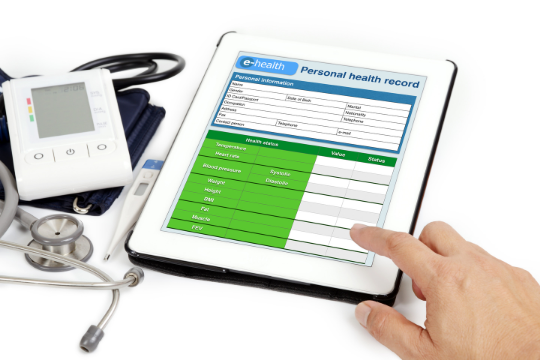
Hospital information systemA hospital information system is an electronic healthcare system that provides access to patient information, health care facility and physician staff activities, patient demographics, clinical data, and hospital activities for use in business intelligence.


How Does a Hospital Information System Work?


A hospital information system is a software application used by hospitals to store data, such as medical records, patient information, and physician’s notes. Electronic records systems allow physicians to access this data from a variety of devices including laptops, tablets, and mobile phones.

Hospital systems also allow for the transfer of records between different hospitals in order to reduce the risk of having duplicate medical histories within each institution.

In addition to these features, hospital information systems also offer tools that help with quality control management and risk assessment. For example, they may track medication usage or review surgical procedures complete with records of post-operative care.


Section 1: Basic Working of Hospital Information System

It is important to understand that a Hospital Information System (HIS) is software used by hospitals. Basically, HIS is an electronic means of record-keeping and data collection for patient’s health records.

It also serves as an easy access point to maintain medical records at ease and have them uploaded into a central database in real-time. These databases can also allow ‘easier’ access right from your cellphone or mobile devices.

In other words, HIS saves you time by automating the workflow of entering data into a centralized database, in real-time, so that there will be no discrepancy and possible confusion about multiple medical records, especially for a patient who is hospitalized.


Section 2: Accessing Patient Data and Records

HIS also provides a convenient manner for physicians and health care professionals to access the patient’s medical records. This information can be accessed anytime and anywhere as long as there is an internet connection available. Nevertheless, it is important to know that at present, electronic medical records are not encrypted, and hence, the security level is still limited.


Section 3: Maintaining the Integrity of Patient Data

HIS also allows for the transfer of records between different hospitals in order to reduce the risk of having duplicate medical histories within each institution. Nevertheless, data or information exchange between hospitals is still complicated and usually takes a number of steps before this process can even begin.


Section 4: Risk Assessment and QC Management

HIS also offers tools that help with quality control management and risk assessment. For example, they may track medication usage or review surgical procedures complete with records of post-operative care.

These tools can also be utilized in order to reduce patient’s anxiety and stress levels because they are able to monitor their health status as well as other important medical information by accessing the system anytime and from anywhere.

Although hospital information systems have been around for several years, they are still evolving to adjust to the demands of a growing medical field.


8 Types of Hospital Information Systems


Healthcare organizations always have a need to manage and provide secure information about people’s medical histories, but which system is best for a hospital?

There are eight different types of hospital information systems that can help you to organize and consolidate health data. These are:


1.    Health Information Systems (HIS)

This type of software serves as the backbone for most hospitals, managing their electronic health records (EHRs). HIS offers clinical decision support capabilities to make sure patients get the care they need when they need it. They also have care plan management capabilities, in order to work with your patients’ home care agencies and make sure everyone stays on the same page.


2.    Electronic Medical Records (EMRs)

Electronic Medical Records (EMRs) are the backbone of most hospitals of any size. They have a patient’s complete history in one place, including care that has been provided, notes, and lab results. Because of the amount of data they hold, too many records can lead to security breaches and even identity theft.


3.    Clinical Management Systems (CMS)

Clinical Management Systems (CMS) are designed to determine how an individual is responding to treatment after they have already received it. CMS helps doctors with making decisions about treatment plan changes and when patients should be discharged from the hospital after being treated. CMS usually works with software like Epic for hospitals.


4.    Picture Archiving and Communication Systems (PACS)

Picture archiving and communication systems (PACS) are designed to integrate with HIS and EMRs. They store and preserve all of a patient’s imaging for future reference, as well as give doctors the tools needed to look at these images, even if they’re already out in the field.


5.    Radiology Information Systems (RIS)

Radiology information systems (RIS) are designed to integrate with PACS. These systems help clinicians work within the confines of their particular hospital or network. They also provide better access to information for doctors who don’t have immediate access to an EMR or other database when they are in the field, like in an ambulance or another department far from their computer.


6.    DICOM

This type of system is designed with large hospitals in mind since it organizes medical images by anatomical structure for easy searching.


7.    Laboratory Information Systems (LIS)

These systems are designed to improve the efficiency of labs and ensure that data collection is streamlined. LIS integrates with HIS and EMRs to manage laboratory services, automate workflow management, reduce the turnaround time, and create specialized reports.


8.    Electronic Data Capture (EDC)

Electronic data capture (EDC) systems allow healthcare practitioners to collect data electronically in real-time rather than having to enter it later. They are used for collecting patient information at the beginning of an appointment or during a hospital stay.


Why Do Medical Facilities Need HIS?


HIS is integrated with other enterprise systems to streamline the medical operations of a healthcare organization including financial accounting and transportation management. Using HIS data can help hospitals make informed decisions on where to invest capital or where new clinical services should be provided so as not to disrupt existing workflows while improving the quality of care.

Not all HIS implementations are alike – but even if the type of HIS you implement does not follow any best practices at this time, it is important that it goes live quickly so it can start delivering value for your organization.


Sunvera Software develops next-level software applications from start-to-finish. We are a premier software and mobile app development agency specializing in healthcare mobile app development, custom mobile app development company, telehealth software, sales dashboards, custom mobile app development services, retail software development, supply-chain software, ecommerce, shopify, web design, iBeacon apps, security solutions and unified access software.

We are proud partners with Amazon AWS, Microsoft Azure and Google Cloud.

Schedule a free 30-minute call with us to discuss your business, or you can give us a call at (949) 284-6300.

What’s the Difference Between a Patent, Copyright, and Trademark?

patent, copyright, and trademarkThere are certain terms that businesses need to be familiar with in order to operate properly so there is no legal trouble.  Before forming a business, entrepreneurs need to know the difference between a patent, copyright, and trademark. It can be frustrating to learn the difference as there are many similarities between the three but it is important for every business owner to understand them.

Any custom mobile app development you undertake should evaluate the needs for patent and copyrights to endure two way protection. As much as your product is not infringing on others and no-one is infringing on your rights.

Some elements that can be difficult to identify are mobile video app or custom mobile picture processing. With the explosion in AI and ML into custom software development, this becomes very tricky.


What Is a Patent?

A patent is a legal document that allows you to use and sell the invention described in the document. It gives a business an advantage over competitors because it is the only business or individual who can legally utilize that particular invention for up to 20 years as long as they are willing to pay the fee each year.

It does not take into account what is actually being produced, but rather the idea behind it. So if you would like to produce your own products or get inspiration from someone else’s product, then a patent is necessary to protect yourself against them and prevent any legal issues.

The invention must be unique from that of previous creations and novel. It has to have utility-the ability to work in a practical manner. It also has to be non-obvious. An invention cannot have any other difference that can be seen between it and previous inventions, or else the difference would not be considered novel.

The patent is taken by filing a Provisional Patent Application. If approved, you will pay the patent office fees for the full patent after which you are able to produce and sell your product.


What Is a Copyright?

A copyright is a document that prevents the distribution of a certain work without permission from the original author. It also prevents businesses from taking someone else’s product and making it similar to what they have already created;  this is referred to as plagiarism. A copyright gives an author the right to sue if someone takes  part or whole of a work and produces it themselves.

It also gives the author of the work protection for their work, and this can be in the form of literary works, images, musical pieces or even video games.

A copyright is not only useful to authors but it is also important  to businesses who produce certain products. It shows that you have been creative enough to come up with something new and original.  It also ensures that your product is not being taken by someone else, which could lead to loss of customers or having to pay for use of the work if they do so anyway.

You can file a copyright through a form called the “Form TX”. A registration takes place once it has been approved after which you can sue someone if they use your work and you do not give permission to.


What Is a Trademark?

A trademark is something that you create to represent your company and distinguish it from other companies. It can be a logo, a symbol, or even the name of your business.

Different companies use different trademarks because they want to make their brand unique.

A trademark is important for asserting your business identity and making it recognizable. This is especially true in the case of businesses that are starting out or those which operate online where the product’s packaging is not presented to consumers directly so their logo or product name needs to stand out and show the difference between their business or product and that of competitors.

The difference between copyright and trademark is that the symbol © is used instead of ® or ™. A copyright can protect writings, music, inventions, visual arts, and other works. It only protects the expression of an idea, and not the idea itself. A trademark , on the other hand, is a brand that distinguishes you from your competitors.  It can be used to market certain goods and services, thus allowing customers to distinguish good quality products from those of competitors with similar products.

To obtain a trademark, businesses need to fill out an application called “Form SS-4” which needs to be signed by the applicant and notary public. It also needs to be filed with the USPTO. A trademark application can last for up to 10 years and once approved it cannot be changed within 3 years of filing the application.


Conclusion

Patent, copyright and trademark are each important in their own way. They all serve a different purpose when it comes to protecting your business’s rights or products from being stolen or plagiarized by others.  Businesses have to be creative enough to come up with new ideas and designs that no one else has thought of before. If they are not, they still have to ensure that their products do not look similar to those of competitors or the product produced by others.  The difference between patent, copyright and trademark is how they are used specifically in business practices.


Sunvera Software develops next-level software applications from start-to-finish. We are a premier software and mobile app development agency specializing in healthcare mobile app development, custom mobile app development company, telehealth software, sales dashboards, custom mobile app development services, retail software development, supply-chain software, ecommerce, shopify, web design, iBeacon apps, security solutions and unified access software.

We are proud partners with Amazon AWS, Microsoft Azure and Google Cloud.

Schedule a free 30-minute call with us to discuss your business, or you can give us a call at (949) 284-6300.

7 Ways to Help Patients Adopt Telehealth Systems

telehealthWhich is more important: the equipment or the people? In developing telehealth solutions, it’s often easy to get caught up in the excitement around technology and forget most of the responsibility falls on people.

But if people don’t adopt a system and engage with it, then it doesn’t matter how technically advanced that system may be. So what’s the answer to help your patients adopt telehealth solutions? The same strategies that help any company or organization move people to adopt new technologies and processes.

Let’s have a look at some of these strategies.


1. Define a Clear Process for Engagement

Engagement doesn’t happen by magic or chance; it requires help, support, structure and encouragement. And it’s important to lay the groundwork early on so that your patients know what to expect and how, when and where they should engage with the system.


2. Get Help From a Coach

People have many demands on their time and attention, especially in healthcare. Just encouraging people to attend check-ins isn’t enough: you need help getting them there for the initial launch, so help them remember by enlisting someone else to help nudge people along. And the help doesn’t stop there: Your telehealth platform may be capable of routing messages to remind patients, but it’s often better to have a human do the reminding.


3. Set the Right Expectations

You may have the most technically advanced telehealth system in history, but that won’t help patients to adopt if they don’t understand how it works. Help them learn the basics early so they know what to expect and set realistic expectations for themselves. For example, help them see that getting started is going to take time.


4. Keep Things Simple for All Participants

Using a telehealth system is going to be different for every person, so help keep it as simple as possible. Don’t overwhelm people with too much information: They don’t need to know everything about the system or how it works; help them understand just what they need to know to help them get started and use the system effectively.


5. Make It Easy for Patients To Communicate Their Needs

There’s no point in having a system if it can’t help patients communicate their needs. If technology is going to help remove some of the burden of communication, make sure that information flows both ways. Encourage providers to help patients find and use telehealth tools effectively so they know what help is available to them.


6. Focus on Behavior Change

People make changes in their lives when they want to, not because you think it’s best for them. This is as true with help and support systems as with medical advice or prescriptions. Ask patients what they need help with and help them get the most out of their system by finding a way that fits into their busy schedule and lifestyle.


7. Review and Revise the System Regularly

Engagement doesn’t last forever. People move on, grow bored or find alternatives because technology isn’t perfect. Not only that, but technology is constantly changing and evolving, which means you have to help your patients keep up with these changes. Evaluate how people are using your system regularly so you know what is working and help provide the most help for them. Continue adding new features to help keep it fresh and exciting while helping them maintain their engagement.


Telehealth solutions provide many benefits, from cost savings and efficiency to better outcomes for patients. But all of those benefits only come to fruition if people adopt and use the systems.


Sunvera Software develops next-level software applications from start-to-finish. We are a premier software and mobile app development agency specializing in healthcare mobile app development, custom mobile app development company, telehealth software, sales dashboards, custom mobile app development services, retail software development, supply-chain software, ecommerce, shopify, web design, iBeacon apps, security solutions and unified access software.

We are proud partners with Amazon AWS, Microsoft Azure and Google Cloud.

Schedule a free 30-minute call with us to discuss your business, or you can give us a call at (949) 284-6300.

The Future of Online Education

online educationOver the past decade, online education has arguably emerged as a viable alternative to traditional classroom-based learning. Online communication and interactions have helped people connect across distances and can help schools deliver their courses in a way that is convenient for learners. This evolution is one of the many future trends predicted to shape the future of online education as it exists today and in years to come. As online education matures, there are new techniques and tools used by instructors to provide a more interactive learning experience for their students.



Evolution of Online Education


The past 15 years have been the most revolutionary in education. With online, open-source, and modifiable learning materials, we are witnessing a new era that may fundamentally change the way students learn and educators teach. Here’s how it happened:

In 1999, the Internet quickly spread to high schools and universities. Students could now do their homework by doing research using search engines, reading Wikipedia entries, and downloading video lectures from YouTube. Even the most traditional students started finding pleasure in this new “virtual” way of learning.

Who were some of these early adopters?

Devry University has been offering online classes for over ten years, with more than 60,000 students enrolled. The university has been offering graduate degrees since 1997. But only recently have colleges started seeing a major student movement from offline to online education.

To go back to the future, we have to look at what’s going on in other countries. In the UK, for example, universities began offering online programs in 1997. They were very well received and even generated a significant amount of revenue with their first online degrees. Today, more than half of all students that attend university do so by enrolling into a distance or online program.

These student trends have given rise to new learning and teaching methods that can be implemented into future online education programs, including:

  • Open source virtual labs with free material, such as YouTube lectures, Wikipedia entries, or video podcast archives
  • Virtual field trips where students explore museums through 360-degree panorama pictures
  • Interactive multimedia games that train the “real” skills needed to succeed in future jobs
  • Full immersion simulations where future doctors can practice on virtual patients or future airline pilots can learn how to fly through simulated airports

These new tools have completely changed the future of online education. Today, students can study from anywhere at any time using their mobile devices and get the same degree of education as they would from a brick and mortar university.


What The Future Looks Like for Online Education


In the near future, many online lecture halls will be replaced by “virtual classrooms” where students can interact with their teacher through video conference or virtual reality technology. Schools may even adopt a model similar to Khan Academy, which offers free lectures on math and science. These future lectures may be given by the most renowned experts in their fields and will be archived for future generations to learn from them. With this interactive, easy-to-use platform, future students can study on their own schedule.

Online education has changed our lives forever and it’s only getting started. With a “one-world university,” future generations will be able to study what they want from any place in the world, interact with like-minded individuals and get a degree that matches future job requirements.


Conclusion


The future of online education is extremely bright. Online learning has evolved from its humble beginnings to a future where the majority of students will be enrolled in virtual classes. Online schools are getting more sophisticated, and more efficient ways for people to learn will continue being developed. Educational technology has allowed students to take courses even if they do not live near an accredited university, and future online education will be able to offer a vast number of courses to a greater number of students, transforming the educational world for good.


Sunvera Software develops next-level software applications from start-to-finish. We are a premier software and mobile app development agency specializing in healthcare mobile app development, custom mobile app development company, telehealth software, sales dashboards, custom mobile app development services, retail software development, supply-chain software, ecommerce, shopify, web design, iBeacon apps, security solutions and unified access software.

We are proud partners with Amazon AWS, Microsoft Azure and Google Cloud.

Schedule a free 30-minute call with us to discuss your business, or you can give us a call at (949) 284-6300.

How to Create an App for Urgent Care or Medical Offices: An Overview

app for urgent careIn healthcare, mobile apps have become an integral part of healthcare delivery. They serve a variety of purposes and can be customized to meet the needs of healthcare providers in urgent care or medical offices. With so many different healthcare app development companies out there, it’s important that you know what to look for before hiring one.



Important Points to Note About Healthcare Apps


  • HIPAA compliance is of utmost importance when healthcare app development companies are hired. This is because the company will be accessing your data and any mistakes that happen could lead to huge fines from HHS or other authorities. The first step in hiring a healthcare mobile app developer is to make sure they have experience with these regulations so you don’t have to worry about your data.
  • Healthcare mobile app developers should have a critical eye for usability. Mobile device screens are much smaller than desktop monitors, meaning that you need to design within the limitations of devices. This means making sure your healthcare app is simple and intuitive just like any other healthcare product would be! This
  • When working on healthcare mobile app development projects, healthcare companies should also take into account accessibility for those with disabilities. This includes making sure the healthcare application works well in low connectivity areas and doesn’t unnecessarily consume battery power or bandwidth.
  • Lastly, healthcare companies should be able to provide integration with current IT systems and building in-data security measures. Healthcare mobile app developers should use a variety of tools such as mobile device management, app security & compliance, or data loss prevention for the app to integrate into existing infrastructure securely.
  • When looking at healthcare mobile apps development services it’s important to ask healthcare providers what their needs are. This way the healthcare mobile app development company can create a healthcare application that will actually be useful for them.


How to Find a Good Urgent Care or Medical Office App Developer


Step 1 –  Determine Your Budget

One of the first steps in finding a good healthcare mobile app developer is to consider your healthcare application costs.  The healthcare mobile app development company you hire should be able to provide a breakdown of healthcare application cost, including labor and hourly rates for each member on the team.


Step 2 – Consider  Experience and Requirements

The next step after determining your budget is to ask for referrals from other healthcare providers or do some research on companies that are healthcare mobile app development specialists. Check out their reviews, their past experience, and how long they have developed healthcare apps.


Step 3 – Decide on Your  Mobile App Features and Healthcare Needs

Once you’ve narrowed down your search to a few healthcare companies, consider the healthcare application requirements that are important for your specific business. For example, an app for urgent care or medical offices should be able to integrate with their current IT systems easily as well as provide features such as scheduling appointments, finding urgent care locations in your area and more.


Step 4 – Don’t Forget Privacy Requirements

Privacy is a big concern for many healthcare companies so make sure the healthcare application company you pick won’t leak data or use your information inappropriately. The healthcare mobile app developer should have experience with healthcare privacy and be able to provide you with a HIPAA Compliance Statement, assurances that your data will be stored securely in the cloud, and guarantees on not selling or distributing any of your confidential information.


The Final Step: Choose A Healthcare Mobile App Developer Accordingly!

The final step is to choose a healthcare mobile app development company that offers the right features, is within your budget, and has experience with healthcare privacy requirements.

A healthcare mobile app is an indispensable tool in healthcare for healthcare providers in urgent care or medical offices. It should be easy to use, secure and integrate with existing IT systems such as hospital information management system (HIMS) and electronic medical record systems (EMR). This way the data collected by a healthcare app is easily accessed by doctors during their day-to-day work. When hiring healthcare mobile app developers, make sure they have experience with HIPAA compliance, healthcare mobile application development services and the healthcare industry. These are just some of the most important features to consider when developing your healthcare mobile app!


Sunvera Software develops next-level software applications from start-to-finish. We are a premier software and mobile app development agency specializing in healthcare mobile app development, custom mobile app development company, telehealth software, sales dashboards, custom mobile app development services, retail software development, supply-chain software, ecommerce, shopify, web design, iBeacon apps, security solutions and unified access software.

We are proud partners with Amazon AWS, Microsoft Azure and Google Cloud.

Schedule a free 30-minute call with us to discuss your business, or you can give us a call at (949) 284-6300.

How to Develop Apps in the Cloud

Cloud appThe cloud is changing every business, from start-ups to Fortune 500 companies. The benefits of the cloud are so great and widespread that it is quickly becoming an essential part of doing business today. But developing apps in the cloud presents several challenges that developers have never had to face before.

In the past, developers were primarily concerned with how the application looks and how it functions. This is how developers have been trained to think – the external components and functionality are most important.


However, developing applications for the cloud is different. As a developer, you need to focus on how an application functions in the cloud. You will also need to focus on how your application will perform in the cloud, how it scales with a dynamic user base, how its data is stored, and how you can backup that data.  


Steps to Develop Apps in the Cloud


Developing apps for the cloud is a complex process. It involves several steps to ensure that your application will perform how you want it to. Here are some of the important steps you should consider when developing applications for the cloud:


1.  Know Your Type of Application

While developing apps in the Cloud is a very dynamic and flexible process, how your application is stored and how it will function with users in mind needs to be planned out before hand so that you can have an idea how to work on certain aspects of your application.


2. Consider All Stages of Development

You should plan how you are going to develop your application in the cloud. This includes how you will organize and store your data, how it will run on various platforms, how much load can it handle, how many users can access it simultaneously, and how you will scale your application. Each of these stages requires a different approach for developing apps in the cloud.


3.  Focus on Backups of Your Application

The cloud is a much faster way to develop applications, but how will you back up data?  Most importantly, how will you back up your users data? You need to have a plan beforehand on how you will store your users data locally, so that it is accessible whenever they need to use the application.


4.  Know How Data Is Stored in The Cloud

Knowing how data is stored in the cloud is a good starting point to figure out how your application works in this new dynamic environment.  The way data is stored on the servers of the cloud affects how your application will function and how you access it. You need to have an understanding on how data is stored in the cloud beforehand so that you can have a better idea on how your application will perform.


5.  Make Sure Your Application Is Scalable

The scalability of an application, or your app’s ability to grow and expand as it gains more users, is key to how your application will function in the cloud.  Developing apps for the cloud gives you tremendous flexibility, but scalability is a big factor to take into account, especially when developing apps that store and share customer data.


6. Build Your Application

The next step is to build your application. This may take a few different forms, including the development of the backend code or how your application is structured in terms of how it runs and how data is stored and organized, how users are accessed and how it can handle large volumes of users, how you can scale up with dynamic use, etc.


7.  Update Your Application Visually

Apps in the cloud can be updated according to your UI/UX needs, and you should make sure the design reflects the users’ needs. These needs can change over time, so it is crucial to keep up with their demands. It’s important to make sure that your app looks good in the cloud so that users get a professional experience when using it.  This is especially important if your app has a user interface.


8.  Be Careful How  Choose Your Hosting Service Provider

A lot of hosting service providers out there will claim how their servers are the best – but that’s not always true!  Taking time to do some research and choose a reliable provider will give you a better experience, and more importantly it will guarantee you that your application is backed up properly.

You need to know how your application will look and function in the cloud, so choosing a reliable host is essential.


9.  Test Your Apps In The Cloud

Testing an app before it’s released on the market or marketplaces is very important because it allows you to find any bugs before it is released to a large audience.  The same should be done when you develop apps for the cloud because not only do you want your application to function correctly but also look professional and appealing to users.


Sunvera Software develops next-level software applications from start-to-finish. We are a premier software and mobile app development agency specializing in healthcare mobile app development, custom mobile app development company, telehealth software, sales dashboards, custom mobile app development services, retail software development, supply-chain software, ecommerce, shopify, web design, iBeacon apps, security solutions and unified access software.

We are proud partners with Amazon AWS, Microsoft Azure and Google Cloud.

Schedule a free 30-minute call with us to discuss your business, or you can give us a call at (949) 284-6300.

10 Ways to Grow Your eCommerce Site Today

eCommerceSo, you’ve found a niche? Good for you! But now comes the real challenge: how to grow your ecommerce site with marketing.

Here are 10 tips to grow your ecommerce site and start making a profit quickly.


1.   Advertise on Facebook  

You’ve probably heard that advertising on Facebook works well, but it can be confusing how exactly to do it. There is the option of advertising in your newsfeed where you can grow an audience based on likes or common interests, but you can also grow your eCommerce site on Facebook by advertising in the sidebar. When you advertise in the sidebar, potential customers who have liked your page will be able to see your advertisements. It’s important to know that every time someone likes pages on Facebook, their friends will see it as a story in their newsfeed. Your goal should be to grow your eCommerce site by building a list of fans who love your products and will want to buy them. It might seem like it takes too much time, but if you’re doing it right, it shouldn’t take that long at all!


2.   Promote your eCommerce Site on StumbleUpon  

If you aren’t already using StumbleUpon, you are missing out. Look for a group that relates to your eCommerce site and grow your site by interacting with the people in that group. Share what you find interesting and helpful with people who will benefit from the information. Don’t just share anything though – make sure that everything you share is something that is related to your niche or products and that it is something of quality.


3.   Create Contests

You can grow your eCommerce site by creating contests through Facebook pages, email newsletters, blogs, and websites. Give some sort of bonus or gift to those who take part in the contest like a coupon code or free shipping. Get creative!


4.   Post Informative Articles about your eCommerce Site Niche  

As long as you are staying within the guidelines for advertising, you should grow your eCommerce site by posting informative articles about it online. You can grow your business even more if you create a blog for it and provide content regularly over time instead of just a few posts here and there.


5.   Move the eCommerce Site from Blogger to WordPress  

Blogger is great, but if you want grow your site using blogs, you’ll need to move over to WordPress.com or self-hosted WordPress (wordpress.org), just because there are better options to grow your blog using various plugins and more. Once you’ve moved your blog, grow it by posting more of the same type of content that got people interested in the first place. Do this regularly for at least one month and grow your eCommerce site through traffic generated by search engines like Google, Yahoo and Bing as well as social media sites such as Facebook and Pinterest!


6.   Create an eCommerce Site Press Kit  

Grow your eCommerce site by creating a press kit to give out to journalists. This informal eCommerce site marketing tool will include photos, articles, and links that relate to the products you sell. Include elements that will catch the attention of reporters like quotes from customers who have tried your products and success stories or awards.


7.  Apply to eCommerce Site Directories  

Grow your site by applying to eCommerce site directories. Submit the details of you and your business, along with links back to your website. If possible, create an ‘about’ page which you can link to from the directory sites.


8.   Encourage Customers to Write Reviews of Products  

If you have customers who love what they bought from you, you can grow your eCommerce site by encouraging them to write reviews on relevant review sites. You could even provide special discounts for regular reviewers if they decide to review more!


9.   Advertise on Craigslist for Sale or Free  

One of the best places to grow your site is through Craigslist. Use a free Craigslist account to place ads for what you want to sell (don’t spam, be sincere and honest) and then grow your eCommerce site quickly by using an ROI calculator to figure out how much you spent and begin making profit. It’s said that selling on craigslist can be a hit or miss, but if you’re willing to put in the time posting ads in different cities or areas with high traffic, it could grow your eCommerce business significantly!


10.   Build a Facebook Group Around Your Niche eCommerce Site  

Grow your eCommerce niche blog by inviting people through a Facebook group. If you grow your niche business within the group, people will want to buy from it later on and will become interested in buying things that they find helpful or interesting.


Sunvera Software develops next-level software applications from start-to-finish. We are a premier software and mobile app development agency specializing in healthcare mobile app development, custom mobile app development company, telehealth software, sales dashboards, custom mobile app development services, retail software development, supply-chain software, ecommerce, shopify, web design, iBeacon apps, security solutions and unified access software.

We are proud partners with Amazon AWS, Microsoft Azure and Google Cloud.

Schedule a free 30-minute call with us to discuss your business, or you can give us a call at (949) 284-6300.

How to Use Video Marketing in Your Business

video marketingVideo marketing is a popular choice for businesses of all sizes looking to reach out and connect with customers. Video marketing uses several different strategies, like how-to videos, interviews and more, by using a combination of images and video which gives your customers the chance to see how your product works in real life.
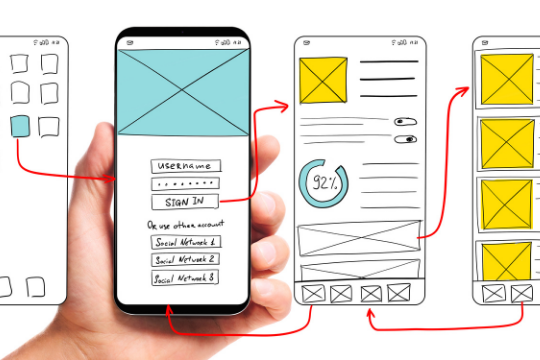
To use video marketing effectively you have to know how to create an effective how-to style video that will convince potential clients that they need whatever it is you are selling.


Benefits of Creating Videos for Your Business


Benefit #1 –  Videos Create Visual Impact

Video marketing can be very effective if they show how something works in real life, or showcase a previous client’s experience with the product. Videos show how the product performs and how it looks while doing so, creating visual impact within minutes of your video being viewed. You can also use interviews to promote products or services and shopping channels do this often by asking questions about what customers like best about their favorite items and how they will use them.


Benefit #2 – Videos Help Reach Out To Current Customers And New Prospects

Video marketing makes it easier than ever to reach out to current customers letting them know how they can get the most out of their purchases. Customers may love your products but still need help figuring how to use them so creating how-to videos is a great way to provide this information, especially with this kind of content being available online 24/7. As for prospects, videos can show how easy the product is to use so customers are more likely to buy.


Benefit #3 – Videos Are Easy To Create Compared To Other Types Of Marketing Strategies

Creating videos is something you may be able to do yourself without having to hire freelancers or spend lots of money on hiring professionals. You can create videos for free if you use your smart phone or digital camera to take pictures of how something works so all you need is software to edit the photos together with voiceover work.


Benefit #4 – Videos Can Be Posted On Social Media Platforms Making It Easy To Share Them With Friends And Family

Videos are easy to share on social media platforms like Facebook and Twitter which makes it even easier to market your products in an effective way because friends often share useful information at a higher rate than others sharing random things they see online. Videos are shared more often when they are easy-to-understand content because those are typically easier to digest.


How To Create A Successful Video for Your Business?


1. Come Up With an Idea

Decide what exactly it is you want people to get from your video. Then figure out how best you can showcase it without having them ask questions in their head during the duration of the video.


2. Gather Your Equipment

Filming videos is a great way to share information about how and why people chose to use certain products. Consider the kind of video you want to create, using text on an image or video, and make sure that you have the proper recording equipment for editing, depending on what type of video you are creating.


3. Gather Your Resources

Have all the items needed to film the video. If it is an interview about how your products can help customers save money or time, make sure that you have everything in place prior to filming including a list of questions as well as an outline for how you want your interviewee to respond.


4. Film the Video

Once you have everything planned out, you can get started on putting the video together, making sure that you don’t miss anything in the process. Filming the video  is often the most stressful part of the process, so once you finish with this step, you just need to edit and publish!


5. Edit for Quality

Before uploading your new video, take time to edit properly so that it includes high quality images and sounds without any glitches or errors. Make sure that you are happy with how the video looks before you upload it live and potential customers. Make sure to double-check!


6. Upload for Success

Once your video is ready, don’t just stuff it in a corner of your website or blog.  Make sure you promote the video or link to it through your social networking accounts so that current customers and prospects will be able to find it easily. You can also create a separate page on your site that really highlights the video and makes it the center of attention. On this page, you should include what kind of product you’re selling, where they can purchase it and any special offers you may have about using that type of product they can get elsewhere online too. Also, consider putting resources on the page that potential customers may need.


How Can You Use Video Marketing?


There are many different ways that you can use video marketing in your business. The most popular way is how-to videos, but there are also other options out there for you. Within each of these categories there are various styles of videos that allow you to choose what works best for your business.


Personal How-To Videos

People want to feel connected to others like them and using personal how-to videos helps this happen because they feel like they know the person on screen through their actions and tone of voice.  If you use a human figure [rather than just an illustration] in your how-to video, people who watch your video will connect with that figure on screen and hopefully feel compelled to buy whatever it is that you’re selling if they can relate or think how their life will be improved by using it too.

You can use how-to videos to show how the product works and how easy it is for the consumer to use, even if you’re not directly involved in that how-to video. There are many other ways that you could get creative with how-tos but this is mostly a matter of personal preference. And keep in mind that a personal how-to style video is most effective when people feel like they know you as well as the product.


Promotional

Promotional videos are used to sell a specific product or service. They’re usually created by companies themselves so that they can help advertise a new launch or special offer. In these types of videos, the presenter will usually be talking about how wonderful their company is or how great their product or service is. It doesn’t really matter how you make your promotional video, so long as it’s effective in getting people to want what you have to sell.


Interviews

Interviews are when one person asks another person a set of questions. You can interview an expert or a “person of interest” and help the audience learn more about that person and how they relate to your company. For example, you can interview a current customer who has been using your product for over ten years.

If this is the type of video that will work best for your company then you can incorporate it by asking the other person how the product or service helped them get to where they are today, whether it is as simple as using a software to become more productive or something more life-changing such as getting braces to have a more confident smile in the future, improving one’s overall self-perception. 


Live Streaming

Live streaming is a great way to connect with your audience. You can allow your audience to get involved through platforms such as Instagram and Facebook live, where consumers get to ask questions and the company answers them in real-time. You can also get real-time feedback and suggestions from your audience which can be a great factor in company growth, if you choose to apply some of the suggestions. The best thing about livestreaming is that you do not have to pay a penny out of your pocket!


Final Thoughts


Video marketing is an excellent way to promote any service or product that you have. Although there are many different types of videos, the main goal of the videos is to help customers solve problems and improve how they do everyday tasks. By using videos for your business, consumers will be able to relate more easily to how the product or service can help improve how they do everyday tasks.

In order to be a successful business owner, you need to learn how to properly market your company’s products and services. The best way that you can get started is by using videos for your company since they are one of the best marketing tools out there.


Sunvera Software develops next-level software applications from start-to-finish. We are a premier software and mobile app development agency specializing in healthcare mobile app development, custom mobile app development company, telehealth software, sales dashboards, custom mobile app development services, retail software development, supply-chain software, ecommerce, shopify, web design, iBeacon apps, security solutions and unified access software.

We are proud partners with Amazon AWS, Microsoft Azure and Google Cloud.

Schedule a free 30-minute call with us to discuss your business, or you can give us a call at (949) 284-6300.

How to Find a Business App Developer

Business app developerThe business world is increasingly going online, and business applications have become a necessity for company growth. Business apps can range from business-centric websites to automated employee and customer support systems. Most business apps are not developed internally, so entrepreneurs often seek a business app developer who has experience in this area.

When searching for business application developers, you may not know what to look for, but there are certain things the app developers typically have in common. Here are some of the qualities business app developers should possess:


1) Be Aware of All Business Trends

Businesses are changing, and business apps should reflect these changes in order to attract entrepreneurs as clients. Different business ecosystems are emerging, be it business-to-business commerce or an on-demand app, different business models require a broad knowledge of these trends in general.


2) Should Have Business Experience

The app developer(s) should be able to tell business owners exactly how their app will benefit from launching an online presence, and why they need it. In addition to business knowledge, application developers must also understand business culture as well as the needs of the target audience.


3) Incorporate the Business’s Branding Into the App

The business app should represent the company, which means it should be aesthetically appealing to entrepreneurs. App developers should have business branding experience to make sure the business app strikes a good balance between business needs and consumer appeal.


4) Should Have Experience in Working With Different Business Models and Technologies

Some business app developers are experts in a particular segment, but entrepreneurs cannot be restricted to those business solutions. Entrepreneurs need experts who can develop an online presence using different business models and technologies for growth. A good strategy for companies finding app developers is to search for app developers by industry to find the right fit.


5) Must Have a Collaborative Approach

The client or business owner is the one with the final say when it comes to business apps, since they are paying for the application. Entrepreneurs do not expect business app developers to develop an application that does not meet their business requirements, but they should work together for the best outcome.


6) Must Have Security Expertise

Infrastructure security is a major concern in online business applications. Companies need app developers who are up-to-date with infrastructure and data security matters as business applications become increasingly vulnerable to attacks.


As mentioned above, there is no one set way to find the right business app developer. Companies need app experts who can quickly incorporate business trends and answer the clients’ questions in a prompt manner. In order to find the right business application developer, entrepreneurs should be clear about their requirements.

There are also a few things business owners and the app developers can do to help facilitate their app development. Companies should be open to the app developers’ ideas without dismissing them outright, and business app developers also need to be able to listen carefully, to ensure proper communication between both parties.


Conclusion

It is important for companies to find the right application developers. App experts should not only be able to follow business trends but also be able to listen to their clients’ business goals, and incorporate those into their apps.

Businesses do have similar needs of application developers, but not all app experts are created equal, and that is where entrepreneurs need to be very discerning when they choose business app developers for their mobile applications.


Sunvera Software develops next-level software applications from start-to-finish. We are a premier software and mobile app development agency specializing in healthcare mobile app development, custom mobile app development company, telehealth software, sales dashboards, custom mobile app development services, retail software development, supply-chain software, ecommerce, shopify, web design, iBeacon apps, security solutions and unified access software.

We are proud partners with Amazon AWS, Microsoft Azure and Google Cloud.

Schedule a free 30-minute call with us to discuss your business, or you can give us a call at (949) 284-6300.

Decentralized Applications: Creating Your First DApp

decentralized applicationsDecentralized applications, or DApps, are decentralized services that exist solely on the blockchain. Currently decentralized services can be categorized into three main types – decentralized exchanges (DEXs), decentralized storage solutions and cryptocurrencies. Blockchain is decentralized because all of the data is stored on multiple nodes, so even if one node goes down the others will still be able to access its data. DApps are decentralized applications that run on a blockchain platform just like Bitcoin and Ethereum do.




What are Decentralized Applications?


A decentralized application (DApp) is a program that can be executed on a peer-to-peer network of computers rather than a single computer or server. This means that all functions of the decentralized application will run on blockchain technology in order to leverage its decentralized nature and provide users with an open and transparent platform where they can transact directly with one another.  For example, decentralized exchanges are able to provide users with an open and transparent platform for trading digital assets without having to trust any third party with their funds since no centralized service provider is required to complete transactions.


Examples of Decentralized Applications


Decentralized services have the potential for disrupting many of the world’s largest industries – finance, law, media, government/legislation and others. By supplying these services using blockchains from Bitcoin or Ethereum, anyone can leverage decentralized applications (DApps) in order to create value for themselves or others. Common use cases for decentralized applications include: decentralized exchanges (like EtherDelta), decentralized storage solutions (like Storj) and decentralized currencies (like Litecoin).


Example #1:  Decentralized Exchanges

Decentralized exchanges provide users with an open and decentralized platform where they can transact directly with one another.  Decentralized exchanges do not require you to trust any third party with your funds since decentralized services are operated by software which runs a network of computers, also known as nodes. Decentralized exchanges charge very low transaction fees because they do not have any centralized service provider and instead are run purely on blockchain technology.


Example #2: Decentralized Storage Solutions

Decentralized storage solutions, like Storj or Sia, leverage blockchain technology to create a decentralized peer-to-peer file sharing network that allows users to interact without having to trust each other or any third party.


Example #3: Cryptocurrencies

Cryptocurrencies represent the first widely used example of decentralized services offered to the general public. Unlike centralized fiat currencies (like USD), decentralized cryptocurrencies are not controlled by any single individual or entity. Instead, these cryptocurrencies are governed by distributed consensus networks that are based on blockchains from Bitcoin (BTC) and Ethereum (ETH). The benefits in using decentralized services provided by decentralized currencies are immediately clear – cryptocurrencies enable borderless, decentralized payment transactions that can be completed anywhere in the world.

In fact, decentralized currency exchange services like ShapeShift and Changelly have created exchanges that enable users to quickly swap any two types of crypto assets without having to register an account or provide any identifying information.


Example #4:  Decentralized Social Networks

Decentralized social networks, like Diaspora and Steemit, represent another version of Facebook, that enable users to interact with one another without having to trust a third party with their data. Instead, these social networks are operated exclusively on decentralized blockchains, allowing users to directly communicate with one another without having to worry about censorship or network interference.


Creating Your First DApp: Step-by-Step Process


Step 1: Determine the Decentralized Service You Want To Create

Before creating your decentralized application, it’s important to determine what service you want to build.

For example, do you want to create a decentralized social network that will allow users all over the world to interact with one another directly? Do you want to create a marketplace that allows buyers and sellers from all over the globe to trade goods with one another without having to trust third party centralized services like eBay? Or, do you want to create a new currency that enables borderless transactions of value anywhere in the world?


Step 2: Determine Where Your Decentralized App Will Run (on Ethereum or Bitcoin?)

DApps are founded on blockchains from either Bitcoin or Ethereum. In fact, decentralized currency protocols like Bitcoin and decentralized blockchain-based applications from Ethereum are the best decentralized services available today in nearly all industries.

Regardless of which decentralized application you choose to build, it will run on either the Bitcoin or the Ethereum network – not both! Keep this point in mind as you think about your decentralized app idea because you don’t want to have to create two separate DApps if your decentralized service is better off running on only one blockchain. For example, decentralized storage solutions (like Storj) typically prefer to run on blockchains from Bitcoin since they leverage a native cryptocurrency (BTC) for payments; therefore, their business model is better suited using an open decentralized protocol such as Bitcoin rather than being tied to the Ethereum network, which typically runs decentralized applications rather than decentralized services.

Decentralized social networks (like Diaspora and Steemit), on the other hand, run better on the Ethereum network since they leverage decentralized protocols like Ether for payments.


Step 3: Determine the Decentralized Application’s Consensus Algorithm

Before you begin creating decentralized applications, you must determine how your application will function. How will transactions be validated by decentralized applications? What is the app’s consensus mechanism? 

For example, decentralized currency protocols like Bitcoin and exchange platforms like ShapeShift run on blockchain-based mechanisms – they use decentralized consensus algorithms (DCA) to validate transactions. On the other hand, decentralized social networks such as Diaspora and Steemit use a proof-of-stake algorithm (DPoS) to validate transactions.

What app you want to build here will largely depend on what decentralized service you are trying to provide. For example, exchange platforms like ShapeShift and marketplaces like OpenBazaar run as a decentralized trustless protocol that depends on decentralized consensus protocols in order to authenticate all transactions. On the other hand, social networks like Diaspora and storage solutions like Storj run off of decentralized proof-of-stake algorithms since they do not need decentralized consensus protocols in order to authenticate all transactions.


Step 4: Determine Whether Your DApp Has a Token

If your decentralized application does not require decentralized tokens, then there is no point in creating them! However, if the decentralized application you are building does require decentralized tokens to be used as a medium of exchange for commerce purposes and/or access to decentralized software components (which could be an API or an SDK), then you can continue on with Step 6 below.


Step 5: Setup Your Decentralized Application’s Wallet

Next, set up some type of decentralized wallet (like MyEtherWallet) which simply acts as storage space for all the decentralized tokens that you will create. In order to utilize these decentralized applications that use  protocols like Ethereum as their underlying blockchain infrastructure, they very often require their own unique custom decentralized tokens. For example, decentralized applications built on top of Ethereum very often require their own decentralized token and apps built on the Bitcoin blockchain usually do not require their own decentralized tokens in order to operate properly (these decentralized apps use bitcoin’s decentralized token instead).


Step 6: Setup Your Decentralized Application’s Smart Contract

Now you will need to set up a decentralized wallet account that is specifically designated as a decentralized application’s smart contract account. You may have heard this term smart contract before – it refers to a self-executing piece of code that acts like an agreement between multiple parties or even just one party and itself (if an event occurs). The benefit of using a decentralized protocol based on proof-of-stake decentralized consensus algorithms over those that utilize proof-of-work decentralized consensus algorithms is the decentralized protocol’s ability to execute and run on decentralized smart contracts. Decentralized applications that utilize protocols like Ethereum or bitcoin can benefit greatly from utilizing decentralized application hosting services (like decentralized cloud storage) since these hosting services usually support decentralized smart contracts. In fact, many of these DApp hosts provide some type of IDE (like Microsoft Azure’s Solidity Integrated Development Environment ) which makes it easy for developers to create their own decentralized applications much easier than creating them directly through a command line interface with no type of visual interface helping along the way.


Step 7: Using Your Application Creation Tool (Like EOS or Ethereum) Build Out the Decentralized Application

Once you have created a decentralized wallet that is designated as your DApp’s smart contract account, it is time to use some type of decentralized protocol-specific development tool in order to build out each individual app feature from start to finish. These decentralized applications usually consist of separate apps that all run within the same decentralized platform or DApp ecosystem; however, they are not necessarily directly interconnected with each other.


Step 8: Host Applications on Decentralized Cloud Storage Services Like IPFS and Sia

Now that you have completed your decentralized app, you need to host it somewhere. You can do this by utilizing decentralized application hosting services; however, since decentralized applications must make use of decentralized protocols to function properly, this usually means the apps will not be hosted on a decentralized protocol but rather a centralized server or servers depending on how the service is structured. The benefit of using decentralized cloud storage services is they are much cheaper than regular centralized data storage services – usually in terms of both pricing and amount of storage space per cost or per byte . However, the tradeoff comes in the form of less decentralized security.


Sunvera Software develops next-level software applications from start-to-finish. We are a premier software and mobile app development agency specializing in healthcare mobile app development, custom mobile app development company, telehealth software, sales dashboards, custom mobile app development services, retail software development, supply-chain software, ecommerce, shopify, web design, iBeacon apps, security solutions and unified access software.

We are proud partners with Amazon AWS, Microsoft Azure and Google Cloud.

Schedule a free 30-minute call with us to discuss your business, or you can give us a call at (949) 284-6300.

Ready to discuss your project? Contact Us