Trendiest News in Tech

6 Cost-Efficient Website SEO Optimization Strategies

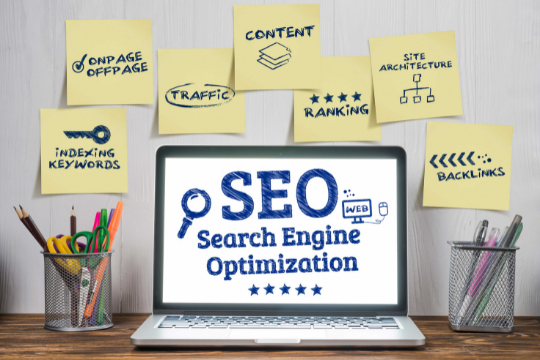
SEO optimization Optimizing your website for search engines can be a daunting task. There are so many things to consider, from the words you use on your pages to the way your site is structured. And then there are the costs – how much should you spend on SEO optimization, and what’s the best way to allocate your resources?


Why SEO is Crucial For Companies in 2022

Conducting proper search engine optimization can help your business rise above your competitors and establish authority when it comes to ranking high with organic results. After all, SEO is all about getting your site to rank well on search engines, and there’s a ton of value in that. According to SEO experts, companies should expect to allocate a minimum of 10% of their marketing budget to SEO in 2022.


6 Cost-Effective Website SEO Optimization Strategies

We all know that cost of SEO optimization can be very expensive. Now that we know how important SEO is, let’s take a look at some affordable SEO optimization strategies to optimize your website.


1. Research Your Keywords

A great intro to SEO optimization is keyword research. One of the most important things you can do for your SEO is to research and target the right keywords. keyword research will help you understand what people are searching for online, and what words and phrases generate the best search traffic for your site.

Using a keyword research tool can help you discover long-tail keywords that you might not have considered, and help you pinpoint the best keywords for your site or blog. It can also help you generate more ideas for content that people are looking for, which will increase your website’s overall appeal.


2. Make Your Site Mobile-Friendly

Google has made it clear that it’s time to embrace mobile devices and mobile-friendly sites. They recently released an update to their search algorithm that gives priority to mobile-friendly sites when it comes to ranking on the SERPs (search engine results pages.)

This means there’s a pretty big incentive for you to make your site more mobile-friendly (including the text, images, and overall design) if you haven’t already.

Google has an easy-to-use mobile testing tool that will help you determine how well your site ranks on a mobile device. This is a good way to find out just what kinds of problems you may be facing with your site’s speed and/or performance.


3. Create Timely, Relevant Content that is SEO-Optimized

SEO is all about content – creating it and sharing it. Content marketing has become a huge part of running any successful business online because once you have an audience willing to listen to your expert advice or follow along with your company’s latest news, you have the opportunity to turn them into lifelong customers.

Starting a blog is a great way to increase your website’s user experience and SEO performance. Your blog allows you to add fresh content regularly that will keep visitors returning for more. You can even include keywords or certain key phrases in your headlines and throughout your posts that will help you boost your site’s search rankings.


4. Optimize Your Site for Speed and Bounce Rates

Just as it is with mobile-friendliness, Google has a speed test tool to determine how well your site performs on a desktop or laptop computer. It also provides suggestions for how you can improve page load times and decrease bounce rates (which can cause your site to drop in the SERPs if it happens too often.)


5. Make the Most of Your Site’s Internal Links

Some experts will tell you that internal links should be a part of every SEO strategy, while others say they shouldn’t be used at all. We recommend creating and implementing them where appropriate and linking back to your most relevant pages or blogs to help boost performance for both your website and individual posts. Again, Google is all about content, so this link-building practice can benefit you when it comes time for an update.


6. Track Your Progress with Analytics Tools

You may already know what keywords are bringing people to your website, but do you know what they’re doing when they get there?

Tools such as Google Analytics can provide you with a great deal of information about your website visitors, including where they’re coming from, what search terms they used to find you, how long they stayed on your site, and even which pages they clicked on. This data can be invaluable in optimizing your website for better performance.

SEO is one of the most important aspects of online marketing, and it can be an expensive proposition if you don’t have the right tools and strategies in place. By using the tips we’ve outlined above, you can improve your website’s SEO without breaking the bank.

Sunvera Software develops next-level software applications from start-to-finish. We are a premier software and mobile app development agency specializing in healthcare mobile app development, custom mobile app development, telehealth software, sales dashboards, custom mobile app development services, retail software development, supply-chain software, ecommerce, shopify, web design, iBeacon apps, security solutions and unified access software.

We are proud partners with Amazon AWS, Microsoft Azure and Google Cloud.

Schedule a free 30-minute call with us to discuss your business, or you can give us a call at (949) 284-6300.


8 Types of Software Your Business Needs (and How to Ensure You Get Your Money’s Worth)

Investing in new types of software is no small thing for business owners. Running a business is complex, labor-intensive, and expensive. So, anytime you implement new software, it’s critical that you come at it with a strategy in place.

After all, the whole point of technology is to make your operations run more smoothly. If you don’t implement the software correctly or ensure that your employees are using it regularly, it can result in wasted time and money.

First, you need to evaluate your company’s situation to determine what type of software you need most urgently. Then, you should do plenty of research into the many different products available. Once you’ve chosen the best software for your needs, you have to come up with a way to measure success, get your team on board with using the software, and set out to constantly learn how to get the most out of your investment.

We have provided some practical information and advice for helping you navigate the process of introducing new software to your business.


Determine Your Needs: 8 Types of Software

There are many categories of software on the market to help move your business forward. But that doesn’t mean that all of them will do that. It’s up to you and your team to assess where your business stands in relation to your goals and decide what areas can be made to be more efficient.

You might benefit from investing in software for anything from inventory management and cybersecurity to payment processing and marketing analytics. Here are eight of the all-around best types of software to consider for your business:


Cybersecurity

Out of the various types of software for business management, cybersecurity is the first software you should look into. Cybersecurity continues to plague businesses of all sizes. Small businesses have become a particularly big target for criminals. That’s why it’s critical to have reliable and effective software in place for your company. Products by LifeLock, Mimecast, and Intruder can help ensure that your company and customer data remain secure.


Payment Processing

These days, customers expect a variety of options when it comes to the types of payment you accept. Along with taking cash and debit/credit cards, you may also want to consider adding online payments as an option, if you haven’t already. Venmo, PayPal, and Square are some of the leading online payment processing companies on the market.


Collaboration

Whether you work with a full-on distributed team or simply need to boost your internal communication at the office, collaboration software can be well worth the investment. Apps like Slack, Jostle, and Miro are used by a wide range of companies to keep remote work teams productive and foster company culture in the workplace.


Project Management

There is some overlap in features between collaboration and project management software. Collaboration software tends to cater to more of the communication side of things. On the other hand, project management software provides you with a platform for keeping track of the actual work your team is doing on projects. Look to Monday.com, Basecamp, or Asana to keep your team accountable and ensure that everyone has the information they need to complete their tasks.

Incidentally, when communicating with your team members, you should also take advantage of free online tools wherever possible. For instance, this tool for converting files from PDF to Word​ can be invaluable for saving time.


Website Building

Digital marketing is key to building your brand. And it all starts with your website. Fortunately, there are many platforms that allow entrepreneurs with minimal experience to create an engaging and attractive website to showcase their company. Wix, Squarespace, and WordPress are among the most popular website-building platforms.


Human Resources

Even if your company is small, the chances are your human resources department faces a variety of challenges. Between juggling hiring, onboarding, scheduling, compliance, and other responsibilities, investing in quality HR software is well worth the upfront investment. Look at products by Namely, BerniePortal, and Kissflow.


Marketing Analytics

Promoting your business is essential to growing and achieving long-term success. But in order to get the most out of your promotional efforts, you need to know how to reach new audiences as well as appeal to your current customers. And what better way to figure that out than to analyze their behavior and trends? That’s where software like Google Analytics, HubSpot Marketing, and SEMrush can prove so valuable.


Email Marketing

Social media gets a lot of attention for small business digital marketing. And that attention is warranted because it can do wonders for expanding your audience and boosting sales. But email marketing can be just as effective. Influencer Marketing Hub points out that, depending on what type of business you run, it can even be the most effective marketing channel you have at your disposal. Check out email software products like Mailchimp, OmniSend, Sendinblue to take your brand building to new levels.


Measure Your Success

If you don’t come up with a formula for measuring the success of your software rollout and implementation, then there’s really no way to know whether you are getting the most out of your investment. It’s critical to view results in the right light. This means determining what your team will consider progress and identifying specific pain points in your operations that need to be solved.

The traditional scientific method is a very effective way of measuring the success of your new software. Set a baseline for key metrics that you want to improve and measure those metrics against future results in the following weeks or months.


Convince Your Team

Oftentimes, employees are not crazy about big changes being made to their process. This applies when adding new software to the mix. However, you must get your entire team on board for the software implementation to be effective.

One thing that you have working for you is that employees usually care about results. They like to be productive and see the company making real progress. So, be sure to sell the new software to your team in a way that clearly explains how it will make everyone’s jobs more streamlined and successful. Enthusiasm among your team will help you get better results faster as well as make the training process go more smoothly.


Keep Learning the Software

Software changes often. After investing in any product, make a commitment to stay up to date on any changes or additions made to the product, especially if they will help make your operations more successful. Companies are constantly updating and adding features that can make their products even more valuable than when you first bought them. And you can often find free webinars, tutorials, and other services that will teach you how to get the most out of your software.

Adding new types of software to your business operations can have a transformative impact on the overall trajectory of your company. But this will only work if you take the necessary steps to make good on your investment. Decide what types of software are the most important for your team, develop a method for measuring the success of your rollout, convince your team of how the software can improve their workflow, and be vigilant about learning every feature that each product offers.


Sunvera Software develops next-level software applications from start-to-finish. We are a premier software and mobile app development agency specializing in healthcare mobile app development, custom mobile app development, telehealth software, sales dashboards, custom mobile app development services, retail software development, supply-chain software, ecommerce, Shopify, web design, iBeacon apps, security solutions and unified access software.

We are proud partners with Amazon AWS, Microsoft Azure and Google Cloud.

Schedule a free 30-minute call with us to discuss your business, or you can give us a call at (949) 284-6300.

These 5 Industries Need To Switch To Contactless Payments

contactless paymentsThe world is increasingly becoming a cashless society. More and more people are embracing contactless payments. There are numerous reasons behind this trend. Some of the main ones are increased security, improved ease of use, brand-agnostic acceptance, mobile-first design, etc.
Contactless payment options for small businesses have become popular between both customers and merchants thanks to the increased awareness about the benefits they bring.


Types of Contactless Payments

There are three types of contactless payments methods:


Near Field Communication (NFC)

This is the most common type of contactless payment. NFC uses radio frequency to communicate between devices, allowing payments to be made by simply touching two NFC-enabled devices together.


Radio Frequency Identification (RFID)

RFID doesn’t require any physical contact between devices. RFID tags are embedded in objects and can be scanned by an RFID reader from a distance.


Bluetooth Low Energy (BLE)

This is a newer technology that’s gaining traction in the payments world. It’s similar to NFC but doesn’t require any physical contact between devices. BLE uses Bluetooth signals to transmit data between devices.


5 Industries That Gain The Most From Contactless Payments

While contactless payments can benefit practically every industry, here are the top five areas where touchless payments will become more prominent.


Retail Industry

The retail industry is one of the main beneficiaries of contactless payments.

A Mastercard study revealed that there was a 40% growth in contactless transactions in the first quarter of 2020.

This is because contactless payments are faster and more convenient than traditional methods like cash and cheques.

Plus, contactless payments are already widely accepted by retailers.


Hospitality Industry

Contactless payments are also gaining traction in the hospitality industry.

Hotels, restaurants, and other hospitality businesses can benefit from contactless payments in several ways:

Increased security – Contactless payments are more secure than traditional methods like cash and cheques. This is because they involve fewer steps (swiping a card vs entering a PIN) and use less sensitive data (card number vs cardholder details).

Improved convenience – Customers find contactless payments more convenient than traditional methods, which can boost their satisfaction levels.

Faster transactions – A longer queue time means lower customers satisfaction levels. Contactless payments are faster than traditional payment methods so they lead to shorter queues and improved customer experience.


Transportation Industry

The transportation industry is another sector that stands to benefit from contactless payments.

Train and bus operators can reduce the cost of ticketing operations by implementing contactless payments. Plus, customers find contactless payments more convenient than traditional methods, which can lead to increased ridership.


Entertainment Industry

Contactless payments can be used to pay for goods and services in the travel, sporting, and music industries.

Music festivals, for instance, are increasingly using cashless payment systems to allow customers to buy food and drinks at the festival without needing to bring large amounts of cash. This improves the overall customer experience and reduces queues.

Cinemas benefit from shorter queues and improved customer experience when they implement contactless payment systems in their theaters. Those who use public transportation to attend concerts and sports events can also benefit from implementing contactless payment systems in these venues.


Food and Beverage Industry

Restaurants and bars can also improve their customer service by offering contactless payments.

Contactless payment systems don’t require customers to wait for a waiter/waitress to take their order, which means that orders get placed faster. Plus, since there’s no need for the customer to provide their credit card, the risk of fraud is reduced.

This all leads to a more efficient and faster service.


Why Contactless Payments Are Here To Stay

As you can see, many industries can benefit from implementing contactless payments. While the technology is still relatively new, it’s gaining traction quickly and is sure to become more prevalent in the coming years. Contactless payments offer several benefits for both consumers and businesses. The advantages of contactless payments include increased convenience, speed, and security. Contactless payments can also help retailers boost their sales by 15-20%. If you want your business to benefit from this new technology, get in touch with a payment solutions company that can guide you through the process.

Sunvera Software develops next-level software applications from start-to-finish. We are a premier software and mobile app development agency specializing in healthcare mobile app development, custom mobile app development, telehealth software, sales dashboards, custom mobile app development services, retail software development, supply-chain software, ecommerce, shopify, web design, iBeacon apps, security solutions and unified access software.

We are proud partners with Amazon AWS, Microsoft Azure and Google Cloud.

Schedule a free 30-minute call with us to discuss your business, or you can give us a call at (949) 284-6300.

Are Contact Tracing Apps Essential To Revitalizing Public Transportation?

contact tracing appPublic transportation is an essential part of any city’s infrastructure. It helps reduce traffic congestion and pollution, and it makes it easier for people to get around. However, public transportation systems can often be outdated, inefficient, and inconvenient. In recent years, there has been a resurgence of interest in developing new and innovative public transportation solutions.

 

How Do Contact Tracing Apps Work?

One of the most promising new public transportation solutions is contact tracing apps. These apps allow people to easily find and use public transportation options in their area. They can also help connect people with ride-sharing services, carpools, and other forms of public transportation. Contact tracing apps are essential to revitalizing public transportation, and they have the potential to help cities around the world become more sustainable and efficient.


How Contact Tracing Can Help Stop Diseases From Spreading

Public transportation systems aren’t the only thing that contact tracing apps can help revitalize. They can also become a critical part of any city’s efforts to prevent and manage the spread of infectious diseases such as COVID-19 and other pandemics. Many public health experts believe that we are on the verge of a new age of global pandemics, and they see contact tracing apps as a key part of our defense against them.

Public health experts are enthusiastic about contact tracing apps for three main reasons. First, the data they provide can be extremely helpful in managing outbreaks. Second, they can help people become better educated about infectious diseases and how to protect themselves from them. Finally, contact tracing apps allow public health workers to respond more quickly when an outbreak occurs, which increases their chances of containing it.


Advantages and Disadvantages of Utilizing Contact Tracing Apps on Public Transportation

There are many advantages to using contact tracing apps on public transportation. These include:

  • They make it easier for people to get around.
  • They help reduce traffic and promote sustainable transportation options.
  • They make it easier to coordinate rides and carpools.

However, contact tracing also have some disadvantages. These include:

  • Some people don’t have internet access on their phones or computers, especially in underdeveloped regions.
  • Some people are reluctant to use them because they require personal information.
  • It can also take a large amount of time to build a robust contact tracing app, which may not be practical for many smaller cities and towns.


Future of Contact Tracing in Public Transportation

Utilizing contact tracing  in public transportation is becoming increasingly popular. This is true both in the United States and around the world. Many cities are either trying to implement these apps or already use them in some capacity, including San Francisco, Seattle, Washington D.C., New York City, Boston, Chicago, London, Barcelona, Berlin, and Paris.

Contact tracing apps are vital to revitalizing public transportation systems worldwide. They make it easier for people to get around, help reduce traffic congestion and pollution, and can also be an essential part of any city’s efforts to prevent the spread of infectious diseases. Contact tracing apps have a lot of potential in helping cities become more sustainable and efficient, and they could become increasingly important as the world becomes more interconnected.

Sunvera Software develops next-level software applications from start-to-finish. We are a premier software and mobile app development agency specializing in healthcare mobile app development, custom mobile app development, telehealth software, sales dashboards, custom mobile app development services, retail software development, supply-chain software, ecommerce, shopify, web design, iBeacon apps, security solutions and unified access software.

We are proud partners with Amazon AWS, Microsoft Azure and Google Cloud.

Schedule a free 30-minute call with us to discuss your business, or you can give us a call at (949) 284-6300.

8 Benefits of Retail Mobile Apps, And Why They Are Especially Beneficial During the Holiday Season

retail mobile appsNow that the holiday shopping season has officially begun, it is important to ensure that merchants are making every attempt possible to meet consumer demand by offering an amazing customer experience.  Mobile apps designed for retail offer numerous benefits that can improve the buying process and foster customer loyalty; therefore, they are especially beneficial during this busy time of year.
 

The Essential Features of a Retail Mobile App

Before discussing the benefits of retail mobile apps, it is important to first outline the essential retail mobile app features that all such apps should include.


#1: Interaction is Key

Interaction with customers must be a priority for retailers if they want to stay competitive.  Mobile apps enhance this interaction by providing users the ability to easily connect with merchants through social media channels, send them messages, and contact customer service quickly when problems arise.


#2: Easy Navigation + Personalization

In addition to interaction, mobile apps should also offer users easy navigation that makes it possible for them to quickly find what they are looking for.  Furthermore, retailers should utilize data analytics to gain insight into the needs of their customers and use this information to personalize app experiences, which helps foster loyalty.


#3: Location-Based Services

Another essential feature of retail mobile apps is the ability to use location-based services.  This allows customers to find nearby stores, receive real-time alerts about sales and promotions, and even make direct purchases from their phones.


8 Benefits of Mobile Apps for Retailers During the Holiday Season

Now that the essential features of retail mobile apps have been outlined, it is time to explore the benefits they offer during the holiday season.


#1: Boost Sales

By offering a mobile app that provides consumers enhanced customer service and valuable promotional information, retailers can boost sales significantly.  For example, by using location-based services to send coupons and remind them of upcoming sale events, you can easily drive traffic to your store or website.


#2: Better Utilization of Social Media

The holiday shopping season is an excellent time to give your social media channels a boost.  By including these features in retail mobile apps, you can take advantage of the excitement surrounding the holidays and use it to attract new customers.


#3: Enhanced Customer Support

As mentioned above, retailers need to provide excellent customer support through their mobile apps.  This can be done by providing a variety of ways for customers to connect with your company, including social media, messaging, and phone support.


#4: Increased Visibility

One of the best things about retail mobile apps is that they offer increased visibility to customers.  This is due to the enhanced social media integration mentioned above, as well as by offering customers quick and easy access to sales and other promotions.


#5: Improved Personalization

Personalization is a key benefit of retail mobile apps because it enables merchants to provide an experience that caters to individual customers and their needs. Retailers can use customer data to personalize apps and ensure that customers can quickly find what they are looking for.


#6: Brand Recognition

When a customer shows loyalty to a retail brand, it builds the company’s reputation and visibility.  This is why incorporating social media sharing capabilities into your mobile app will help your business become top of mind for consumers.


#7: Greater Engagement

The holiday season is a time when customers are highly engaged with their shopping.  By providing them with a retail mobile app, you can keep them engaged with your brand and ensure that they have a positive experience.


#8: Easier Access to Coupons and Other Promotions

One of the biggest benefits of retail mobile apps is the ability to offer customers quick and easy access to coupons, discounts, and other promotions without forcing them to search your website.  Instead of scouring through emails or print advertisements for a coupon code, they can simply open their app and then tap on a promotional notification that takes them directly to the desired deal.


Ways To Grow Your Retail App During The Holiday Season

With the holiday shopping season in full swing, you must start implementing marketing tactics that will help generate interest in your retail mobile app.  By following these tips, you can ensure your business is gaining maximum exposure during this crucial time of year.


#1: Update Your Social Media Presence

If you haven’t already, now is the time to update your social media profiles and make sure you are offering an excellent customer experience through these platforms.  The holiday shopping season is in full swing and social media is a great way to keep in touch with customers and offer them valuable discounts and promotions.


#2: Send Out Holiday E-mails

Another great way to market your retail mobile app is by sending out holiday-themed e-mails.  Make sure you are taking advantage of the increased attention that the holidays bring and use it to highlight the unique features of your app.


#3: Increase Ad Spend

If you have the budget, consider increasing your ad spend during the holiday shopping season.  This is a time when people are actively looking for deals and discounts, so make sure your business is at the forefront of their minds.


#4: Host a Giveaway

Hosting a giveaway is a great way to increase exposure for your retail mobile app. By giving away prizes like gift cards or merchandise, you can generate interest and drive downloads.


#5: Run a Contest

Another great way to increase engagement with your retail mobile app is by running a contest.  This can be done in conjunction with a giveaway or on its own.


#6: Leverage Influencers

If you have the budget, leveraging influencers can be a great way to get your app in front of lots of new customers.  Influencers are experts in their field and have built up large followings on social media channels like Instagram, Twitter, and YouTube.


The holiday shopping season is a time when retailers must take advantage of every opportunity to increase exposure for their business.  By following the tips in this article, you can ensure that your mobile app for your retail store is getting the attention it deserves.

Sunvera Software develops next-level software applications from start-to-finish. We are a premier software and mobile app development agency specializing in healthcare mobile app development, custom mobile app development, telehealth software, sales dashboards, custom mobile app development services, retail software development, supply-chain software, ecommerce, shopify, web design, iBeacon apps, security solutions and unified access software.

We are proud partners with Amazon AWS, Microsoft Azure and Google Cloud.

Schedule a free 30-minute call with us to discuss your business, or you can give us a call at (949) 284-6300.

Why More People Continue To Choose Cloud-Native Platforms

cloud-nativeCloud-native platforms are continuing to grow in popularity, as more and more businesses move away from traditional on-premise software solutions. In today’s increasingly connected world, digital transformation is a top priority for most businesses. To remain competitive and offer more convenient services to customers, many organizations are turning to cloud-native platforms. These software solutions provide users with secure access from any device to the data they need when they need it.

 

What Does it Mean for a Platform to be “Cloud-Native”?

A cloud-native platform is built for the cloud from the ground up. As opposed to traditional on-premise software, cloud-native platforms provide users with fully hosted solutions that can scale quickly and remain secure. Additionally, these types of platforms simplify deployment and maintenance and often come with a variety of features that growing businesses require.


Why Cloud-Native Platforms Are Popular

There are several reasons why cloud-native platforms are becoming increasingly popular. For example, many businesses prefer the pay-as-you-go model offered by these software solutions, as opposed to large upfront costs for onsite deployment and maintenance associated with traditional solutions. Additionally, cloud-native platforms provide users with seamless access to IT resources.

This increase in popularity can be attributed to several key factors. For example, cloud-native platforms provide dynamic scalability, allowing businesses to quickly and easily scale up or down based on both internal and external demands. Additionally, these solutions simplify deployment and maintenance while offering enhanced security features.


The Advantages of Cloud-Native Platforms

As with every software, cloud computing also has its pros and cons. There are many advantages to using a cloud-native platform. Perhaps the most obvious benefit is that these platforms are designed to work in the cloud, which eliminates the need for businesses to purchase and maintain their servers. Additionally, cloud-native platforms typically offer a much lower total cost of ownership (TCO) than traditional software solutions.

Cloud-native platforms are also more agile and scalable than their on-premise counterparts. They can quickly adapt to changes in business requirements or traffic patterns, making them a more reliable solution for businesses that are constantly evolving. Additionally, cloud-native platforms often come with built-in features that growing businesses need, such as security, scalability, and performance monitoring.


The Disadvantages of Cloud-Native Platforms

Even though cloud-native platforms have several advantages over traditional software solutions, they also come with some disadvantages. One potential downside is that these platforms can be more expensive than traditional software upfront. In addition, if a business is not yet ready to make the switch from on-premise software to a cloud-native platform, then the costs associated with updating their infrastructure could outweigh the benefits of using these types of solutions.

Lastly, businesses may need to hire additional staff to manage and maintain a cloud-native platform. While this additional cost can be offset by the lower TCO of these platforms, it is still something to consider when making a decision about which platform to use.


Future of Cloud Computing

The future of cloud computing is looking bright, as more and more businesses are making the switch to cloud-native platforms. These software solutions provide several advantages over traditional on-premise software, including agility, scalability, security, and performance monitoring. Additionally, cloud-native platforms are often less expensive than traditional software in the long run, as they do not require users to purchase and maintain their own servers.

Over the next few years, more businesses will likely continue to embrace the various trends in cloud computing, as they realize that these new platforms are designed with digital transformation in mind. As a result of this trend, expect to see cloud-native platforms becoming more affordable and easier to manage overtime, as businesses will have a larger consumer base to draw from when making purchasing decisions.

Sunvera Software develops next-level software applications from start-to-finish. We are a premier software and mobile app development agency specializing in healthcare mobile app development, custom mobile app development, telehealth software, sales dashboards, custom mobile app development services, retail software development, supply-chain software, ecommerce, shopify, web design, iBeacon apps, security solutions and unified access software.

We are proud partners with Amazon AWS, Microsoft Azure and Google Cloud.

Schedule a free 30-minute call with us to discuss your business, or you can give us a call at (949) 284-6300.

10 Use Cases for Generative AI

generative AIToday artificial intelligence (AI) is all around us: from the ads that Facebook shows you to Google Translate or self-driving cars. Virtual assistants such as Siri and Alexa are starting to feel very natural and human.

What we see today is just the tip of the iceberg. Underneath it there is a shift happening, moving us towards Artificial General Intelligence (AGI), the point where machines start to think like humans. AGI will change our lives more than any technology before.

To make this future happen we need better AI algorithms. Google’s AutoML project is one example showing how neural networks can be used to design better neural networks. Other projects are using evolution or complex systems theories to give machines access to more knowledge and help them think in ways similar to humans.


What is Generative AI?

Generative AI is a subfield of machine learning that deals with the generation of new data. It differs from other subfields such as reinforcement learning or deep learning, which are more focused on learning from data. Generative AI algorithms are used to create new data, for example, images, text, or sounds.


Why is Generative AI Important?

There are many reasons why generative AI is important. First, it can be used to create data that does not exist yet. This is important for research purposes, for example when a new algorithm needs test data to train on.

Second, generative AI can be used to improve existing algorithms. For example by creating data for training new neural networks or evolving better deep learning architectures. Third, generative AI can be seen as an automated machine learning technique: a machine that designs better machines. The implications of this are much bigger than improving existing algorithms!


10 Use Cases for Generative AI

Here are 10 use cases for generative AI, covering a wide range of tasks. There are many more applications where generative AI can be used to create better AI algorithms, so this is just the beginning!


1. Algorithm Invention

One application of generative AI is to help researchers invent new machine learning algorithms. This process has so far been done mostly by hand, but with the help of generative AI, it can be automated.


2. Data Augmentation

Data augmentation is a technique used in machine learning to improve the quality of data. It consists in artificially augmenting the data set with additional data that is similar to the original data set but that has not been seen before. This is often used in deep learning to improve the performance of neural networks.


3. Neural Network Design

Neural networks are modeled after the brain and consist of a large number of interconnected neurons. The connections between neurons can be changed (or “tuned”) to adapt the network to a specific task. This process is called training and is done using a large amount of data. Generative AI can help with the task of tuning the neurons, for example by automatically finding the best set of connections.


4. Data Synthesis

One application of generative AI is to generate data that is not available in the real world. This can be used for research purposes, for example, to test new machine learning algorithms or deep learning architectures.


5. Text Generation

Text generation is the process of automatically creating text documents. AI text generators can be used to create summaries of articles, generate product descriptions, or write blog posts.


6. Image Generation

Another application of generative AI is to generate images. This can be used to create new images for research purposes or to generate realistic images that can be used in computer graphics applications.


7. Music Generation

Generative AI can also be used to generate music. It is even possible to use generative AI algorithms to listen to the generated music and find the parts they like most, which is similar to using Pandora or Spotify! This can be used to create new music or improve the existing music experience.


8. Artificial Creativity

Artificial creativity is a subfield of generative AI where the main goal is not about generating new data but rather about creating something that didn’t exist before. For example, generating an abstract painting or a novel story without human input.


9. Creative Question Asking (CQA)

Creative question asking (CQA) is a form of machine learning where the goal is not to answer questions but to ask them creatively and improve future generations by incorporating previous answers into later generations.

For example, using Smart Reply in Gmail to generate better auto-complete suggestions.


10. Artificial General Intelligence (AGI)

Artificial general intelligence (AGI) consists of algorithms that can successfully perform any intellectual task a human being can do. Humans have used tools for thousands of years to solve problems and create new things. Now we need to automate this process as well! Generative AI is an important step towards building AI that can design better machine learning algorithms and other forms of AI!


Industries That Can Benefit Most From Generative AI

The image recognition industry is one area that can benefit greatly from generative AI. With the help of generative AI, we can create more realistic images that are closer to what the human eye sees. This will improve the accuracy of image recognition algorithms and enable new applications such as automatic photo editing and realistic 3D rendering.

Another industry that can benefit from generative AI is the text generation industry. By using generative AI, we can create text documents that are more realistic and accurate. This will improve the quality of text-based products such as chatbots, machine translations, and search engines.

Last but not least, the gaming industry can also benefit from generative AI. We can use generative AI to create more realistic and polished games with better artificial creativity, more expansive worlds, and richer stories.


Final Thoughts

Generative AI is already being used in many different areas of industry, including video games, text generation, and image recognition. There are many other applications for generative AI that can improve existing products and create new ones.

There are also plenty of future applications that haven’t yet been developed but will surely change the way we work and live in the years to come!

Sunvera Software develops next-level software applications from start-to-finish. We are a premier software and mobile app development agency specializing in healthcare mobile app development, custom mobile app development, telehealth software, sales dashboards, custom mobile app development services, retail software development, supply-chain software, ecommerce, shopify, web design, iBeacon apps, security solutions and unified access software.

We are proud partners with Amazon AWS, Microsoft Azure and Google Cloud.

Schedule a free 30-minute call with us to discuss your business, or you can give us a call at (949) 284-6300.

Why Project Management Software is the Backbone for SMBs

project management softwareFor every single business, using project management software is crucial. Whether you’re operating as a company or launching your start-up, PMS can offer immense assistance in terms of organizing employees and resources across various projects.

Basically, the greater the number of collaborators involved in one project, the more complicated it becomes to manage everything effectively. The benefits of project management software determine how crucial it is for small businesses.


Importance of Project Management for SMBs

Oftentimes, small businesses owners wear many hats. They may be responsible for sales, marketing, accounting, and product development all at the same time. This can lead to chaos and a lack of focus if not properly managed. To succeed, SMBs need to implement systems that will help them manage their time and tasks more efficiently.

This is where project management comes in. By using a PMS, business owners can create a structure for their team and assign specific tasks to different individuals. This way, everyone is aware of what they need to do and when it needs to be done.

Not only does this help with organization, but it can also improve communication between team members. In some cases, it can even help to prevent conflicts from arising.


Why Not Just Use Google Docs?

Of course, project management software isn’t the only way to keep track of tasks. At one point or another, business owners may ask themselves why they should even bother with investing in project management tools when Google Docs is free.

The fact is that Google Docs will allow you to create docs, share them with your team, and collaborate on a project. The problem is that you can’t assign roles to specific users.

This means that it would be up to the company owner to do everything on their own, from coming up with deadlines and assigning tasks to doing time-tracking and reporting. This can be more trouble than it’s worth, especially for smaller businesses.


Useful Features of Project Management Software

When looking for a PMS, it’s important to consider the features that are most important to you. Not all software is created equal and not every program will offer the same features.

Some of the most common features that are found in project management software include:


Gantt Charts

This feature allows you to create a visual representation of your project. You can see what tasks need to be completed and when they are scheduled to be finished. This can be helpful in terms of spotting potential conflicts and ensuring that everything is on track.


Milestones

Milestones allow you to mark specific points in your project that need to be reached. This can help you to stay focused and ensure that you are making progress.


Reports

PMS often comes with reporting features that allow you to track the progress of your project. This can be helpful in terms of measuring the success of your project and identifying areas that need improvement.


Time Tracking

PMS also often come with time tracking features. This allows you to see how long different tasks took to complete and identify which tasks are taking up too much time.


Project management software for startups and small businesses is essential. If you want to ensure high productivity with minimal effort on your end, then it might be worth investing in a PMS platform today.

Sunvera Software develops next-level software applications from start-to-finish. We are a premier software and mobile app development agency specializing in healthcare mobile app development, custom mobile app development, telehealth software, sales dashboards, custom mobile app development services, retail software development, supply-chain software, ecommerce, shopify, web design, iBeacon apps, security solutions and unified access software.

We are proud partners with Amazon AWS, Microsoft Azure and Google Cloud.

Schedule a free 30-minute call with us to discuss your business, or you can give us a call at (949) 284-6300.

Most Efficient Tools / Ways to Test Software and Apps

test software and appsTo test software and apps, it is very helpful if you have the right tools at your disposal. If you are on a budget, some free tools can help you identify bugs before your clients do. These types of tools are great for testing small projects, but if you are looking to test commercial software or an app on a larger scale, it will be necessary to purchase the right tools.

We have created this list of the best testing tools to help you find what is right for your project. There are both open source options and commercial tools, so you can find the perfect fit for your needs.


Types of Testing

There are various software testing methods to begin with. These include functional testing, regression testing, load testing, performance testing, and usability testing.

Functional testing focuses on making sure that the code is written correctly and that it does what is intended to do.

Regression testing makes sure that previous bugs have been corrected and no new ones were added during updates.

Load testing involves checking whether a program crashes or slows down when multiple users are using it simultaneously or when there is heavy traffic.

Performance testing looks at how well a program functions when it is being used under certain conditions, such as low bandwidth or high CPU usage.

Usability testing determines how easy a program is to use and whether all the desired functionality is available.


Free Tools for Testing

Some free tools can help you test software and apps. Below, we have listed some of these tools.


Selenium

Selenium is a suite of tools for automating web application testing. It supports multiple browsers and operating systems.


Appium

This software is used for automating the testing of mobile apps. It supports both Android and iOS apps.


Robotium

This tool is used for automating the testing of Android apps.


Frank

Frank is a tool that can be used for functional testing of websites. It supports multiple browsers and operating systems.


Watir

This tool is used for automating the testing of web applications. It supports multiple browsers.


Drupal Test Module

This module can be used for automated testing of Drupal websites.


Google ChromeDriver

This tool is used for automating the testing of web applications using Google Chrome. It supports only Google Chrome.


The Process of Testing Software and Apps

The process of testing software and apps can be divided into four steps: planning, designing, executing, and reporting.


Planning

In the planning stage, you will need to come up with a plan for how you will test the software or app. This plan should include the types of tests that will be run, the tools that will be used, and the personnel who will be involved.


Designing

In the designing stage, you will need to create test cases and scenarios. Test cases are a set of steps that are used to test a particular function or feature of a program. A scenario is a set of tests that are run together to test the functionality of a program as a whole.


Executing

In the executing stage, you will run the tests. This involves running the test cases and scenarios that were created in the designing stage.


Reporting

In the reporting stage, you will need to compile the results of the tests and present them in a report. This report should include information on how well the software or app performed, where the bugs were found, and what needs to be done to correct them.

The process of testing software and apps can be time-consuming, but it is essential for ensuring that the software or app is ready for release. By using the right tools and following a well-planned process, you can minimize the number of bugs and errors that are found after release.


Importance of Software Testing

By catching errors during the testing phase, you’ll be able to implement corrective measures before release. It will also help improve customer satisfaction since there will be fewer issues with the software or app once it is released.

The benefits of catching errors during the testing phase are as follows:

1. It saves time and money. The earlier you catch a bug, the less time and money it will take to fix it.

2. It reduces customer dissatisfaction. If a bug is found after release, it can cause customer dissatisfaction and lost revenue.

3. It preserves reputation. If a product has lots of bugs, it will damage the company’s reputation and customer confidence.


Mobile App Testing Tips

Here are a few tips for testing software and apps:

1. Plan your testing process ahead of time by creating a test plan and writing test cases and scenarios.

2. Use the right tools for the job. This will help you catch more bugs and errors.

3. Run tests on a variety of devices and browsers. This will help you uncover compatibility issues.

4. Take advantage of automated testing tools. These tools can save time and money.

5. Track and document the results of your tests. This will help you identify and fix bugs more quickly.


AI and Future Software Testing Methods

In the future, artificial intelligence (AI) might be used to help automate the testing process. AI can perform tests faster and more effectively than humans by using a wide range of test cases that were developed by developers and testers before release. AI will still need to be monitored by humans, as it won’t be able to identify everything that is wrong with a program. Even so, AI can be an effective way of catching bugs and errors before release.

Sunvera Software develops next-level software applications from start-to-finish. We are a premier software and mobile app development agency specializing in healthcare mobile app development, custom mobile app development, telehealth software, sales dashboards, custom mobile app development services, retail software development, supply-chain software, ecommerce, shopify, web design, iBeacon apps, security solutions and unified access software.

We are proud partners with Amazon AWS, Microsoft Azure and Google Cloud.

Schedule a free 30-minute call with us to discuss your business, or you can give us a call at (949) 284-6300.

Going Forward, In-person Events Will Rely on Event Management Software

event management softwareEvent management software has been on the rise in recent years. As more and more businesses adopt it, the benefits are becoming clear. Among these benefits is the ability to manage in-person events remotely. With event management software, businesses can save time and money while still delivering a high-quality event experience to their attendees.


 

Benefits of Event Management Software

There are many advantages to remote event management. Some of these include:


Time and Money Saver

Perhaps the most obvious is the ability to save time and money. With event management software, you can manage your entire event from a single location. This eliminates the need for expensive travel and allows you to bring in all key team members, even if they’re located on different continents.


Increased Connectivity

Today’s workers are increasingly connected and mobile. With event management software, you can provide a more cohesive experience for team members who may be working from different locations. Whether it’s sending someone an invitation or creating a custom agenda, they’ll receive the benefits of attending in person while still enjoying the convenience of working remotely.


Improved Customer Experience

Delivering a great customer experience is critical for any business. With event management software, you can easily manage your attendees’ interactions and track their progress through the event. This allows you to collect valuable feedback and improve future events.


Efficient

Remote event management can also be more efficient. Since all your team members are present in one virtual room, they can collaborate more easily and quickly. This can save time and help ensure that your event runs smoothly.


Improved Communication

Event management software also helps improve communication between team members. By centralizing all communication in one place, everyone stays on the same page and potential problems are identified and addressed before they become an issue.


Key Features of Event Management Software

Event management software provides several benefits that enhance your event experience. Some of these event management software features include:


Centralized Communication System

The virtual room for your team allows you to communicate quickly and easily with all attendees to build rapport, share updates, or discuss course materials.


Tracking System

With the help of the software, you can keep track of all attendees and their interactions. This valuable data can help you improve future events.


Scheduling and Planning Tools

Event management software provides helpful tools for creating a schedule and planning your event.


Invitation System

You can easily create invitations and track RSVPs through the software.


Registration and Payment System

The software can also help you manage registration and payment for your event.


Live Streaming

Some software offers the ability to livestream your event, so those who are unable to attend can still watch.


Factors You Should Consider When Choosing EMS

When choosing event management software, there are several factors to consider. Some of these include:


The Size of Your Event

Not all software is created equal. You’ll need to find software that can manage the size and complexity of your event.


Your Event’s Location

Location-based software may not be the best option if your event is taking place in a different city or country.


Your Event’s Theme

If your event has a specific theme, you’ll want to make sure that the software can support it.


The Type of Event

Different software is better suited for different types of events. Make sure to choose software that is right for your needs.


Your Budget

Like anything else, event management software comes with a price tag. Make sure to find software that fits within your budget. You can read more on the average cost of event management software here.


Ease of Use

It’s important to find software that is easy to use. This will save you time and frustration in the long run.


Customizability

Some software offers an array of customizable features, so you can tailor it to fit your specific needs. For example, you may choose a system that will notify you if someone RSVPs or logs into the event after it has begun.


The Needs of Your Team

Your team’s needs will vary from those of another company, so you’ll want to shop around until you find software that can best meet those needs.


Closing Remarks

In-person events are a great way to connect with customers and create a strong relationship with them. However, to make these events successful, you need the right software to make them run smoothly. Event management software can help you with this by streamlining communication, improving efficiency, and providing tools for registration, payment, and tracking attendees. Both small businesses and large companies use event management software to improve their events.

Sunvera Software develops next-level software applications from start-to-finish. We are a premier software and mobile app development agency specializing in healthcare mobile app development, custom mobile app development, telehealth software, sales dashboards, custom mobile app development services, retail software development, supply-chain software, ecommerce, shopify, web design, iBeacon apps, security solutions and unified access software.

We are proud partners with Amazon AWS, Microsoft Azure and Google Cloud.

Schedule a free 30-minute call with us to discuss your business, or you can give us a call at (949) 284-6300.

Ready to discuss your project? Contact Us